
Amid growing debate over the role platforms play with due diligence, HUB24 says it declined to host the Shield and First Guardian Master Funds.
Netwealth, considered to be HUB24’s peer rival, along with other major brands like Macquarie, hosted one or both products on their platforms.
ASIC has disclosed they are investigating some of the platforms for the role they played in the collapse of the failed schemes, with the regulator noting the branding power of these established market players was leveraged to help gain further legitimacy with clients.
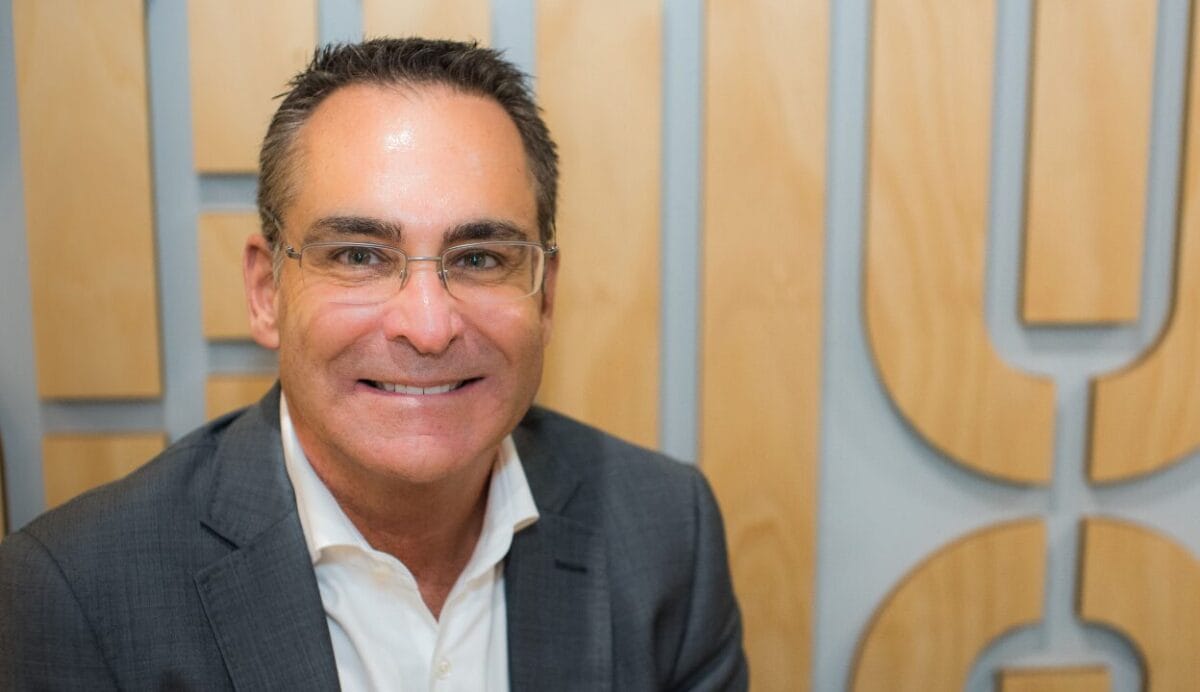
HUB24 chief executive Andrew Alcock tells Professional Planner the company has a “robust process” which ultimately meant those products failed to make it onto the platform.
“We don’t just review public research on these things, we do due diligence, we speak to the managers, and we declined their invitation to participate on our platform,” Alcock says.
“Touch wood, we have a very strong, robust process. We have a team of people that do that. This industry still has bad actors…we need to work together as an industry to help with this complex problem. HUB is not concerned about our processes, having said that, we need to not take that for granted.”
HUB24 couldn’t confirm by time of publication the precise date or year it declined to host the products.
“We looked at them, we researched them, we looked at their structure, their investment strategy, how their funds would work and their growth plans,” Alcock says.
However, Alcock stopped short of saying there was any potential red flags that would have led the platform to refer the funds to ASIC as line of sight at the time was limited.
“They [Shield and First Guardian] couldn’t answer our questions to get on the platform so we wouldn’t spend more time looking at it and had no advice to recommend it,” Alcock says.
“There’s no reason for us to talk to ASIC because someone comes to you with a product you don’t like.”
Alcock says when red flags are picked it’s usually through adviser trends and activities, like certain fee structures or money movements.
“If we do see issues we’ll turn funds off or we will talk to licensees about it,” Alcock says.
“We all have an obligation to provide material to ASIC if we think these things need to be looked at so we actively will do that as a good corporate citizen. On these ones we weren’t involved.”
The company reported its FY25 results on Thursday which saw it record a 68 per cent statutory net profit after tax (NPAT) increase to $79.5 million and a 44 per cent increase in underlying NPAT to $97.8 million.
Total funds under administration (FUA) has increased 30 per cent to $136.4 billion, while platform FUA increased 34 per cent to $112.7 billion at the end of the financial year.
In FY25, the number of active advisers using the platform increased to 5097, up from 13 per cent in FY24 with 143 new distribution agreements signed.
Research from The Conexus Institute* in the annual State of Super report found the group is dominating competitive flows in the industry.
According to the firm’s results, 81 per cent of net inflows came from existing adviser and licensee relationships, while 16 per cent came from existing licensee but new adviser relationships, and 3 per cent from new licensee and adviser relationships.
Alcock says the group has had a “stellar year” where “everything has come together”.
“We’re really good at putting down the foundations of growth and not losing sight of who we are and what we do,” Alcock says.
*The Conexus Institute is a not-for-profit think-tank philanthropically funded by Conexus Financial, publisher of Professional Planner.