
Most advisers work with clients to help them realise future dreams. But a pro-bono program run by AMP is exposing advisers to people in less fortunate circumstances – in this case, people with cancer.
The AMP Cancer Council Pro Bono Program is a partnership between AMP licensees, the AMP Foundation and Cancer Council to facilitate free financial advice for families affected by cancer.
But it is also giving advisers one of the most powerful and humbling experiences of their lives.
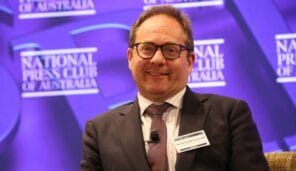
“These are desperate times for the sufferer and the family,” says Hillross and AMP Financial Planning managing director, Michael Guggenheimer.
Guggenheimer says when advisers engage with the program they face a stark realisation: there is little they can do about the person’s physical wellbeing.
“But they can provide expertise around sorting out finances, and to try and take financial stress off the table for the family,” he says.
AMP launched the program back in 2010 after it reflected on how the company could make a difference in the eyes of community, and to assist people in their time of need.
In 2012 AMP struck an alliance with the NSW Cancer Council to provide advice to people with cancer and their families. The program has since been rolled out across the country with the help of funding from the AMP Foundation.
When a request is made for help, state-based Cancer Councils put families in touch with an adviser. The advisers are accredited and have undergone training, which includes training in “soft skills” such as how to talk to clients with an illness such as cancer.
“The program is generally for people who have not yet had the privilege or opportunity to get professional advice,” Guggenheimer says.
“Most of it is just trying to deal with the current state of play and things the family may not be aware of.”
Help with insurance, super – and more
The client and family may not know about life insurance attached to super, or their ability to get early release of super in cases of terminal illness. Advisers also help with budgeting and cash flow, help arrange insurance claims, and deal with credit card payment issues.
“It’s about taking weight off the shoulders of the family who otherwise need to be focusing on caring and attending to someone who is a cancer sufferer,” Guggenheimer says.
He says pro-bono work is part of the responsibility of being a profession.
“We are indebted to give back,” he says.
“There are a lot of people suffering in this country.”
The chief executive officer of the Financial Planning Association (FPA), Dante De Gori, agrees that giving back is an important part of any profession, and the FPA fully supports the provision of pro-bono financial advice for those who are disadvantaged or find themselves in financial distress.
Through the Future2Community Service Award, the FPA recognises members who have supported their local community through pro-bono advice and volunteer work. It has also implemented a pro-bono referral program to connect FPA members with victims of natural disasters.
Inspiring and humbling
The AMP Cancer Council Pro Bono Program was the inspiration for the Pro Bono Financial Advice Network, which was formed in August 2013 and is strongly supported by a number of organisations including industry body, the Association of Financial Advisers.
Since the inception of AMP’s cancer program, almost 4000 people and their families have received assistance. Some 923 families were helped in 2015, a 13.3 per cent increase compared with 2014.
Cancer Council’s legal and financial support services manager, Sarah Penman, says: “The time, skills and expertise offered by AMP advisers to people affected by cancer through the pro-bono program is truly life changing.”
AMP is now encouraging more advisers to participate, and 94 new practices joined the program in 2015.
Guggenheimer says the situation advisers face in the program is vastly different to their usual client practice where they engage with people and optimistically set a strategic plan for years ahead.
“It’s one of the most humbling moments a financial planner would ever have,” he says.