
Leading platform provider HUB24 has cautioned against a heavy-handed regulatory response to the collapse of the Shield and First Guardian managed investment schemes, warning that zealotry could undermine the choice and variety available to investors that has underpinned the success of the platform industry.
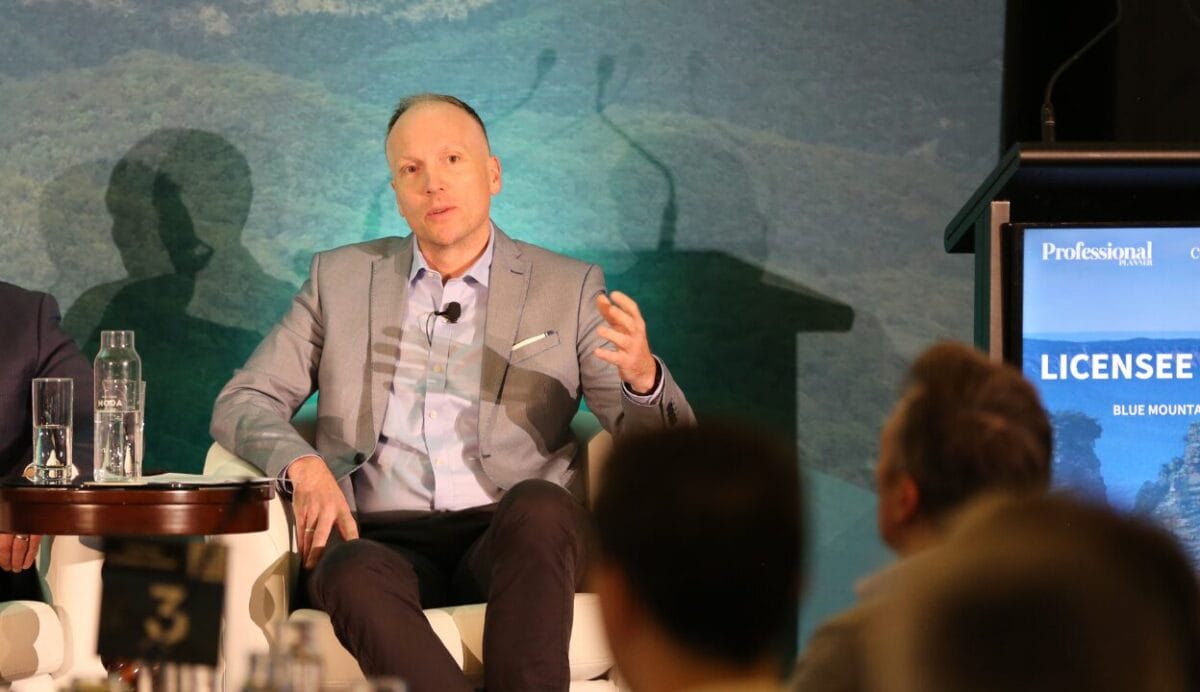
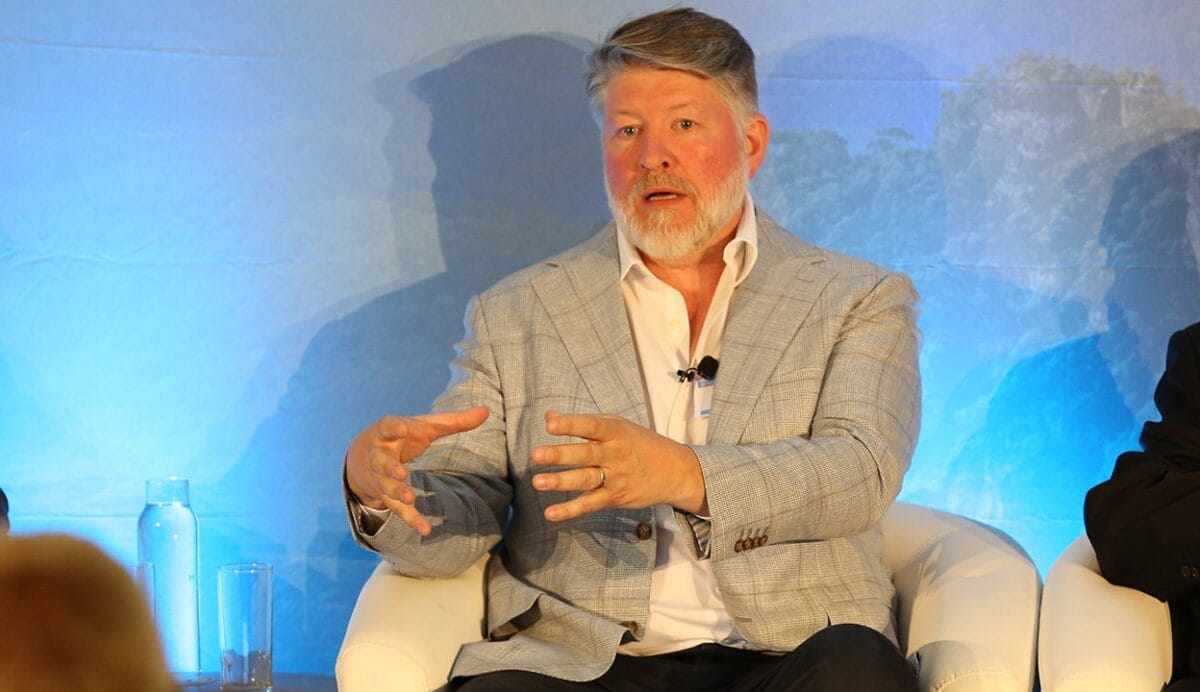
HUB24 head of strategic development Jason Entwistle told the CFA Society Australia Investment Conference in Sydney yesterday that platform providers have a responsibility to vet the products they make available, even if that responsibility is not explicitly set out in law.
“As a platform and a mainstream platform, we were counselled in no uncertain terms by the regulators early in our journey that our role is partly as a gatekeeper,” Entwistle said.
“And we looked at the regs and wondered where [our role] was defined as gatekeeper. And guess what? It’s not in the regs. They basically said to us, you have to man the gate, because we don’t have the resources to do it.”
The firm’s CEO, Andrew Alcock, told Professional Planner in August that the platform had declined to host the products after it failed to pass basic due diligence screens.
Last month, ASIC deputy chair Sarah Court told a Parliamentary Joint Committee hearing that as many as 140 advisers are being examined over the role they played in the collapse of Shield and First Guardian, and that many of them have “lawyered up” in anticipation of a more formal investigation.
The role of platforms in vetting the products on their investment menus and monitoring products once they’re there has also been in the spotlight, with the regulator already acting against Equity Trustees, which hosted the Shield funds.
Earlier this month Macquarie moved to remediate investors on its superannuation platform who had lost money in the Shield collapse. Macquarie will pay investors about $320 million to cover their losses, after an investigation by the ASIC revealed deficiencies in how Macquarie assessed and monitored products on its platform.
“We have to watch the front door, the front gate – the advisers that use the platform – and the back gate – which managers we let it in,” Entwistle told the event.
“Touch wood in our process, we weren’t exposed to these two failures we’ve had. But as an industry, it’s really important that we get this right. You will have seen that there’s been some speculation in the press about the role of choice, and you might have seen some speculation about some of the platforms reducing their menu, because without any regulatory change we’ve seen an outcome which has really changed the risk goalposts.
“One of our competitors are spending a lot of money remediating clients. Now, we’re looking at this [and] saying the industry wasn’t really broken, in our view. Yes, there’s been a failure of a very small number of people. We’ve got to be really careful of overreaction that ends up in structural change for our industry that we didn’t need.”
Entwistle said the industry must closely monitor how regulators look likely to respond to the issue, “and the kind of damage we could inflict on the industry”.
Jo Cornwell, head of manager research for Evidentia, said that it’s the role of organisations such as hers to help bridge the gap between what clients want and the institutional investment capability available to them.
“We don’t want that choice to start to be restricted, but we need to work with organisations like HUB to make sure that the right capability and the right products end up on the platform, so that the governance structure is appropriate, but we can still give the end investors that flexibility and access to institutional grade product that they that they really want,” Cornwell said.
Koda Capital chief executive officer Paul Heath also told the conference the financial services industry has “been plagued by knee jerk regulatory reactions to failures that aren’t systemic” and that the response to the Shield and First Guardian issues should be measured.
Heath said the benefits to clients of accessing high-quality institutional-grade investment capabilities clearly outweigh any of the challenges involved in making that capability – and the associated advice – available to them.
“Making sure there’s choice and making sure that clients have access to these things is important, but [so is] making sure that the industry has a responsibility to overcome some of those things that make it hard to get access to really high-quality investment solutions, and I think that’s happening.”
Heath said artificial intelligence would play an increasing role in addressing “a supply demand imbalance in this market, which is profound”.
“We’ve talked about the growth in the size of the private wealth market. At the same time, in the immediate aftermath of the [Hayne] royal commission, there was something like 25,000 registered financial advisors in this country. It’s 15,000 now and declining. Great news if you’re in the advice business, but an incredible innovation opportunity to fill the gap between those who want to deal with a human and those who need advice.”
Cornwell said the increased use of AI by advisers would “continue to improve outcomes for end clients, and that’s through efficiency, whether that’s AI, among other things, and new innovation in the industry”.
“There’s so much opportunity for continued innovation, continued improvements in efficiency that really do work to improve outcomes for the end client,” she said.
Entwistle said the wave of AI investment by advice firms over the next two years will be enormous.
“I’m having jaw-dropping moments looking at this technology and the way advice is delivered,” he said.
“We’re about to see real investment at the practice [level] in the type of technology advisers use to deliver advice, and it will change the economics of advice.
And I don’t think it’s far away. I think a couple of years will see a really big difference.”