
The collapse of the Shield and First Guardian master funds should be factored into ASIC’s refreshed conflicts management guidance, according to the Financial Advice Association Australia (FAAA).
ASIC announced a consultation on Regulatory Guide 181 Licensing: Managing conflicts of interest, which hadn’t been updated for two decades.
The FAAA wanted a final guide that is “principle-based, scalable, and clear” which emphasises adviser-level responsibilities alongside licensee frameworks; to preserve the roadmap as a broad guidance rather than a checklist; and anchor the framework in proportionality.
In its submission, the association said confidence in the handling of “related-party” transactions is fundamental, pointing to high-profiles failures in the sector that harmed consumers and the reputation of the profession.
This included the Shield and First Guardian master funds, responsible for $1.2 billion of retirement savings being lost, and the collapse of Dixon Advisory, which has gone to the Compensation Scheme of Last Resort.
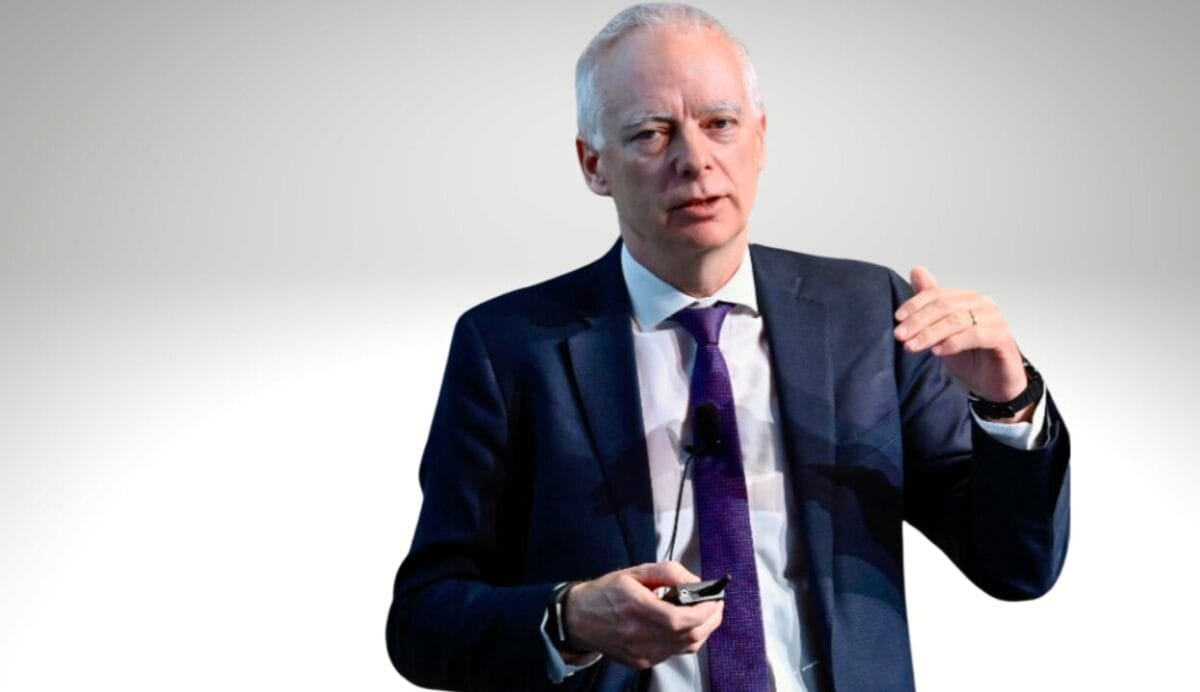
“Failures in this space, most prominently in the Dixon Advisory, United Global Capital, Shield Master Fund and First Guardian cases, have been central to consumer harm and a loss of trust in financial services and financial markets,” the submission, authored by FAAA policy general manager Phil Anderson, said.
“The update to RG 181 provides ASIC with an important opportunity to set clearer expectations about how related-party conflicts are identified and managed, including when these conflicts are embedded in structures rather than merely transactional.”
The association also made clear that this lack of explicit guidance has impacted the financial advice community directly by having to pay for failed conflicted advice models through the CSLR.
“It has become clear to the FAAA that this lack of clarity, as highlighted in the case of Dixon Advisory and others, has led to serious consumer harm,” the submission said.
“Related party transactions appear to be a central problem in all the recent major product collapses, including more recently with both Shield and First Guardian.”
The FAAA noted that the Shield and First Guardian collapse highlighted issues within the delivery of financial services, including cold calling outfits that drive consumers into the funds and receive marketing payments associated with those planning businesses.
“It is essential that the legal consequences of this are addressed and that this is reflected in the conflicts management guidance,” the submission said.
“The obligations of licensees in having oversight of their authorised representatives needs to address the expectations in understanding the existence of these arrangements.”
ASIC noted in its FY26 corporate plan that licensee arrangements with lead generation services will be reviewed.
When it came to adviser-level responsibilities outlined in the draft guidance, the FAAA said ASIC should be explicit that licensees must not only establish conflict management frameworks but also ensure that advisers understand and discharge their own obligations under these guidelines.
This would extend to their statutory Best Interest Duty, which the association noted is being reformed with the Delivering Better Financial Outcomes legislation and would also need to be further updated once the government completes a review of the Code of Ethics.
The draft guidance suggested having a proportionate and risk-based approach to conflicts management, which the association said was important as conflict management arrangements needed to scale with the size and risk profile of a licensee.
“This ensures that small and mid-tier advice businesses are not unnecessarily burdened, while ensuring that large institutions cannot satisfy their obligations with minimal frameworks,” the submission said.
“We are pleased to see this concept recognised here and we encourage ASIC to make proportionality central to the finalised guide.”