


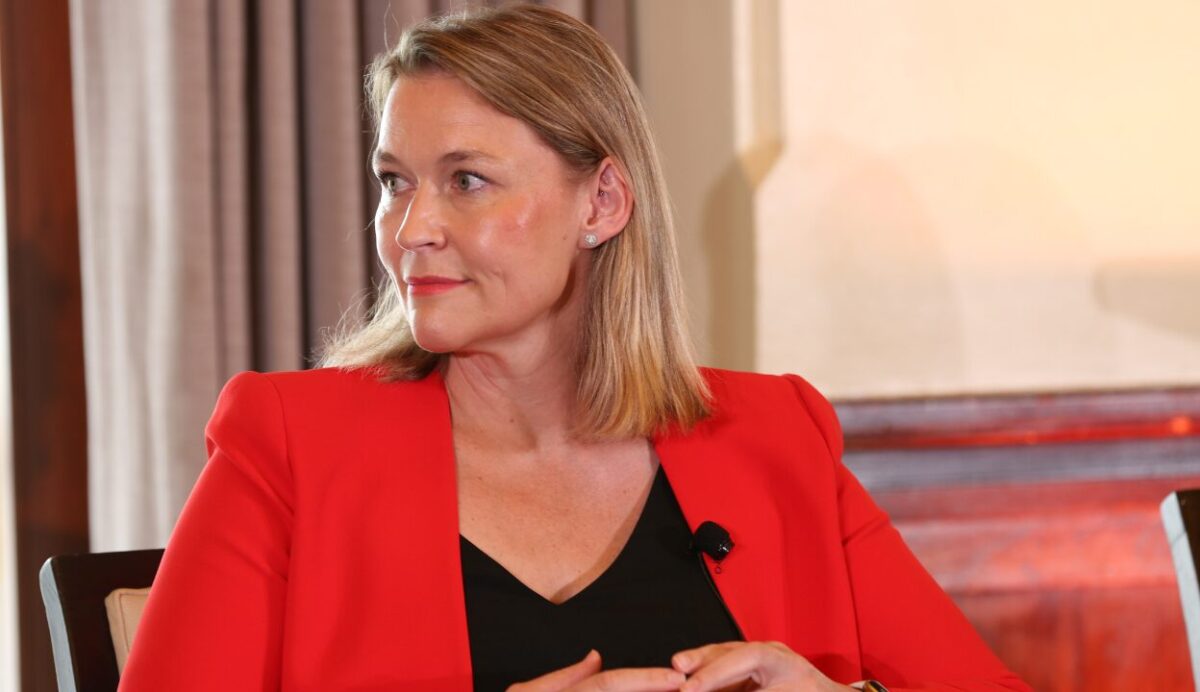
APRA deputy chair Margaret Cole has finished at the prudential regulator today after a five-year term with no successor or interim appointee in place (as at 5:00pm on Tuesday) to act as supervisor-in-chief to the more than $3 trillion APRA-regulated super industry.
In a statement, chair John Lonsdale thanked Cole for her contributions and “wished her all the best for the future” but did not announce a replacement. In the same statement, APRA said it expects the Australian government to “make an announcement about the APRA deputy chair recruitment process in due course”.
Investment Magazine put a number of questions to APRA, including on why the process has been delayed, whether that delay stems from lobbying by figures from the industry fund and profit-to-member sectors, whether an appointment would be made before Cole left, whether she would be asked to stay on if it had not, and who would take charge of her responsibilities on an interim basis.
In response, an APRA spokesperson said: “APRA members are appointed by the government. The selection process is being coordinated by Treasury and the final decision belongs to the Treasurer. Questions about the appointment of APRA members should therefore be directed to the Treasurer’s office. APRA has no further comment.”
The Treasurer’s office has not responded to multiple requests for comment or clarification.
According to reporting by Investment Magazine, that recruitment process has been fraught with lobbying of the Treasurer by figures from the industry and profit-to-member super sector, including AustralianSuper CEO Paul Schroder. AustralianSuper denied the claims, with a spokesperson telling Investment Magazine that “Paul Schroder did not meet with the Treasurer or his office about the APRA role and he has not lobbied the government about it”, the spokesperson said.
However, multiple government and industry sources have suggested that the delay is unusual – especially given the deputy chair’s responsibilities have not been reallocated to other APRA officials even on an interim basis. One source with knowledge of the matter speculated that Investment Magazine’s inquiries to multiple funds and government agencies about the alleged lobbying campaign may be partly responsible for the delay.
David Bell, executive director of The Conexus Institute*, was considered for the role but is understood to no longer part of the process, while Robbie Campo, another contender, has taken up the CEO role at HESTA. The most likely candidate being put forward is now executive board member Therese McCarthy Hockey, who has responsibility for the banking sector.
With no successor or interim appointee, one of the most significant financial sectors in Australia is effectively without a supervisor-in-chief at a time when it is growing more contentious. While it’s unlikely the seat will be empty for long, events this week – and over the past year – have driven home the importance of the role.
This week, ASIC released a report criticising a number of major players in the platform industry, taking trustees to task for lax oversight of advice documents, monitoring of advice fee caps and investment holding limits. The report also criticised trustees’ onboarding and monitoring of advisers and comes in the aftermath of the $1 billion Shield and First Guardian collapse, which has brought the “gatekeeper” role played by platform trustees under scrutiny as questions swirl around whether the sector is fulfilling its obligations.
While it was ASIC that released the report, APRA has been a key player in the clean-up of the Shield and First Guardian collapse, and has been responsible for extracting a court enforceable undertaking from the likes of Netwealth, as well as slapping licence conditions on Diversa and Equity Trustees. It also carried out a thematic review of the platform sector as a whole in late 2025.
Ironically, APRA also today released the findings of its first system risk stress test, saying that vulnerabilities in the financial system are likely to increase as the superannuation system grows and matures and that better entity preparedness for stress events across industries would make the system stronger.
“As our financial system becomes more interconnected, decisions made in one part of the system not only impact other financial institutions in the same sector, but those in different sectors as well as service providers,” Lonsdale said.
Additional reporting by Chris Dastoor.
*The Conexus Institute is a not-for-profit think-tank philanthropically funded by Conexus Financial, publisher of Professional Planner.
















Leave a Comment
You must be logged in to post a comment.