


The Australian Financial Complaints Authority has published lead decisions against four firms finding that clients of the Shield and First Guardian funds were victims of poor advice.
The lead decisions are the first determinations made by AFCA on a complaint that is representative of a group of similar complaints.
The determinations found inappropriate advice was given from the firms, and that there was a lack of diversification with the investment options, failure to consider client best interests, failure to assess the suitability of using an SMSF and misleading investment returns.
The determinations cover advice from MWL Financial Services, Financial Services Group Australia, United Global Capital and a joint determination for UGC and Next Generation Advice.
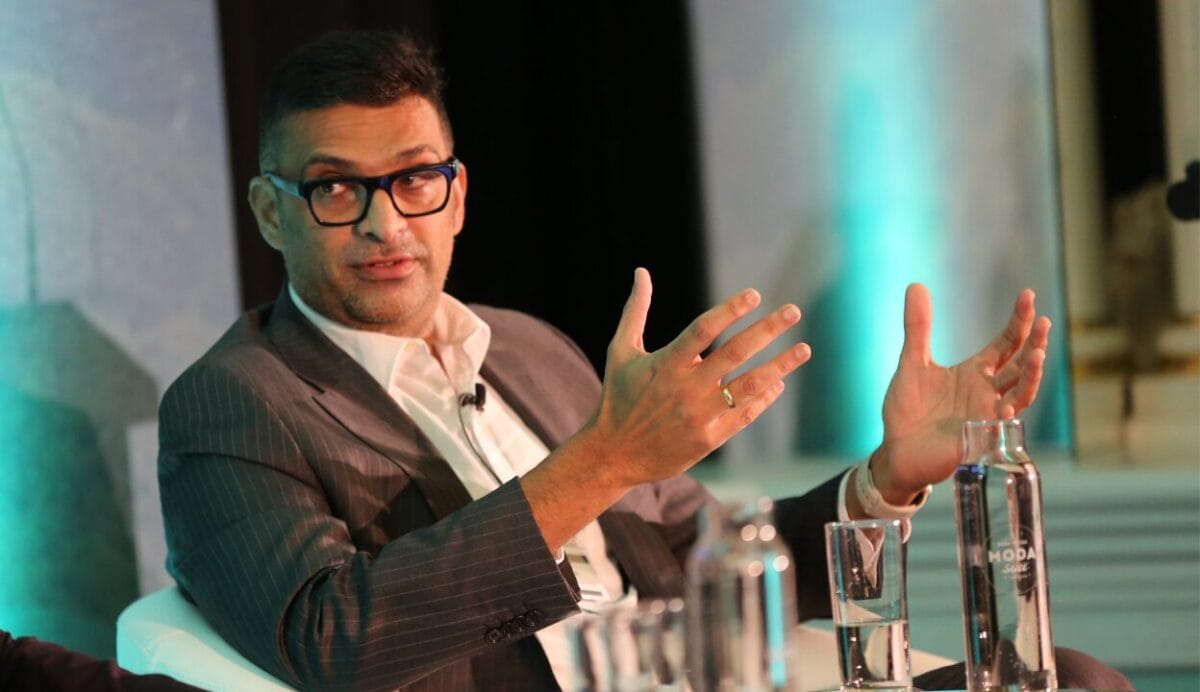
In a video on the AFCA website, lead ombudsman Shail Singh said that a lead determination for InterPrac will be due “soon” and that solvent firms will be encouraged to settle outstanding complaints in line with the lead decision.
Professional Planner understands the complaints authority is waiting for the complainant in the lead InterPrac determination to accept the decision.
Despite allegations of fraudulent conduct from the Shield and First Guardian funds, the determinations found the advice failed to properly consider numerous red flags.
The MWL lead determination found the advice failed to consider several issues in the Shield product disclosure statement (PDS) including unclear disclosure of fees, the financing structure and potential use of debt within the fund, shared directorship of the responsible entity and investment manager.
Furthermore, the suitability statement in the PDS said the fund was intended as a satellite investment not as a core strategy.
While the determination noted that Shield was meant to be a diversified/multi-manager fund, only two managers were used and neither had an extensive track record and the fund was over-exposed to property.
Similarly, in the UGC lead determination, it noted that First Guardian was used a single investment that lacked diversification.
“…if this specific investment did not perform, close to the entirety of her superannuation could be impacted or lost,” the determination said.
The determination noted that First Guardian was meant to be a diversified, balanced fund, but had limited funds under management with about 10 underlying investments that were invested in high-risk sectors and had higher costs.
The $1 billion collapse has affected the retirement savings of 12,000 superannuants, but AFCA so far has only received 1800 complaints. However, this is an increase since November when Singh reported 1559 complaints has been received.
The complaints have been grouped by firm and are progressing in order they were received with dedicated teams working on each firm, Singh said.
MWL, UGC and FGSA have all had their licenses cancelled by ASIC and MWL is currently being sued by ASIC; UGC director Joel James Hewish was banned for 10 years from providing financial services.
The regulator announced on 19 December 2025 that MWL adviser and former UGC head of advice Louis Van Coppenhagen had been banned for seven years.
ASIC found that Van Coppenhagen gave inappropriate advice to certain clients which was not in their best interests while a representative of MWL by recommending clients invest most of their superannuation into the ‘high growth’ or ‘growth’ class of the Shield which were high-risk products.
At UGC, ASIC said Van Coppenhagen was instrumental to the implementation of the firm’s advice model including preparing a template advice proposal document.
ASIC had already banned several other MWL advisers: Wade Lance Spooner and Matthew Simon Bradley for eight years each; Rocco D’Amelio for seven years; Robert Crossing for six years; and Isaac Jacob McQueen for four years.
Jovan Videkanic, an adviser for MWL and United Global Capital, was also banned last year for seven years for inappropriate advice related to the Global Capital Property Fund and Shield.
FSGA was controlled by Ferras Merhi, the adviser ASIC believes was a central figure to the advised distribution of the Shield and First Guardian funds and allegedly responsible for signing over 6000 Statements of Advice within a three-year period.
He is also accused of taking money from the funds to help market them and received inflated loans to help purchase his businesses.
Merhi was also licensed by InterPrac, along with Rhys Reilly, who are both under investigation by the regulator.
He has had his assets frozen since the start of 2025, although ASIC has accused him of hiding further assets.
On 17 November 2025, Merhi’s travel restraint was extended until 31 March 2026 and asset freezing orders were extended until the conclusion of ASIC’s proceedings of Merhi.
Liquidators for First Guardian have so far only been able to claim $1.6 million from the $480 million fund.
Along with the advisers and funds directly implicated in distributing the products, ASIC has also taken action against the licensees with oversight of the advice, the trustees that accepted funds on their platforms, and the researcher and auditors who reviewed the products.
Macquarie and Netwealth have agreed to remediate clients on their platforms, but Equity Trustees and Diversa Trustees have elected to fight allegations of due diligence failures in court.
On 23 December 2025, APRA announced it would impose additional licence conditions on Diversa to address prudential concerns relating to its investment governance frameworks and practices, including oversight of platform investment options made available to members.
The action against Diversa followed a similar directive on Equity Trustees which was announced on 18 December 2025.







Chris Dastoor
Another brilliant article about what is causing thousands of people and their families so much distress I enjoyed one year of transition to retirement, and now forced to work all the hours I can just to survive. After a lifetime of Saving for retirement, it seems I have been condemned to work until I Die. I know of people who had retired and have had to go back to works at 70 years old I think it is a disgrace of our Government that they seem to approve of thousands of Australians losing all their Superannuation because they thought a government accredited financial advisor and government accredited Fund should be safe