
ASIC’s latest report into SMSF establishment advice has uncovered a clear disregard among the advisers it covers for not only their legal obligations to clients, but also their professional and ethical obligations.
Report 824: Review of SMSF Establishment Advice uncovered a clear disregard among the advisers it covers for not only their legal obligations to clients, but also their professional and ethical obligations.
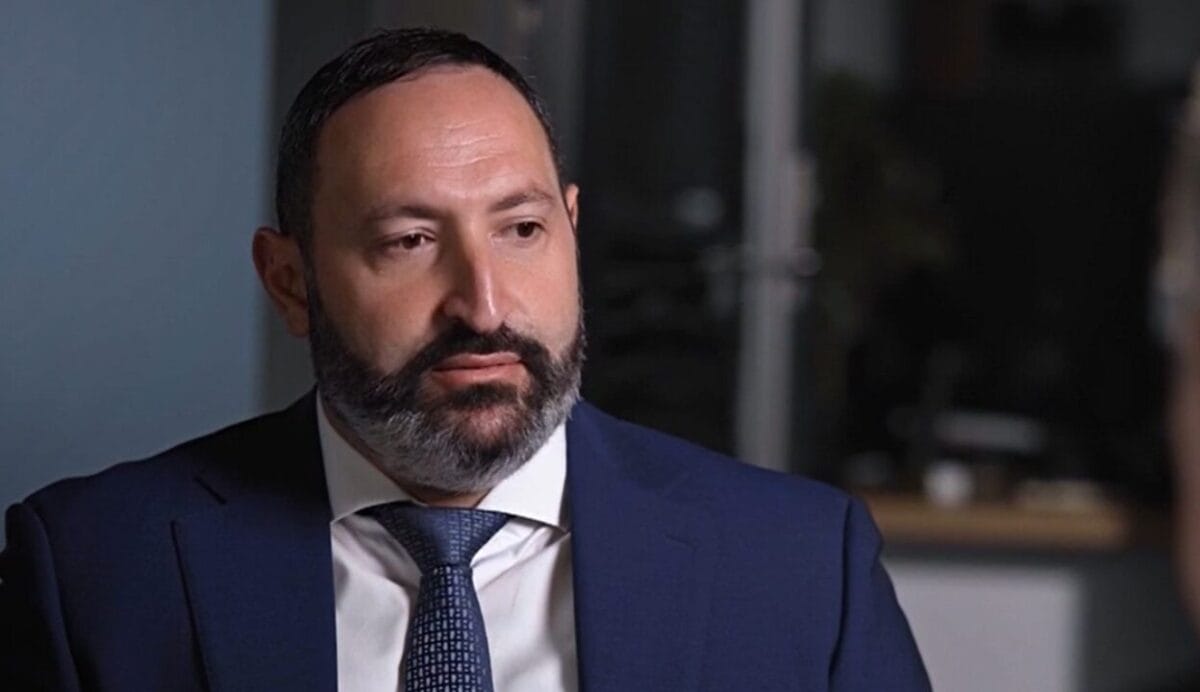
The report shows that some advisers are either ignorant of their obligations, or they know what their obligations are but are simply ignoring them. ASIC Commissioner Alan Kirkland says the conduct the regulator has uncovered cannot be simply blamed on a lack of understanding.
“In this piece of work, we focused on some of those core obligations in the legislation that have been in place for a long time,” he tells Professional Planner.
“The best interests duty, the obligation to provide appropriate advice, and the obligation to prioritise the client’s interests over your own as an adviser – these are simple, principle-based obligations and long known, and they should be front-of-mind for advisers when they’re providing advice.
“It’s extremely disappointing that we found this number of files where it was not clear that the adviser had complied with the best interests duty.”
Kirkland says some licensees are clearly failing to monitor properly whether their advisers are meeting those standards.
“As a licensee, you are on the hook for the quality of the advice that is provided by your advisers,” he says.
“You can’t satisfy those obligations by simply having a policy in place. You’ve got to have the procedures and processes to be checking whether the advice that is being provided by your advisers is in line with their legal obligations.”
In addition to basic breaches of the law, the ASIC report also puts advisers’ professional standards and compliance with their Code of Ethics in the spotlight, and puts licensees on notice that it is their responsibility to monitor their advisers’ compliance with the code.
For example, Standard 1 of the code says advisers must “act with integrity and in the best interests of each of your clients”, while Standard 3 says an adviser “must not advise, refer or act in any other manner where you have a conflict of interest or duty.” Standard 5 provides that advisers must “be satisfied that the client understands your advice, and the benefits, costs and risks of the financial products that you recommend”, and clear those risks include the potential loss of consumer protections. And Standard 9 says advice must be offered “in good faith and with competence”.
Kirkland says ASIC’s aim in publishing its report is to drive behavioural change among advisers. But it still faces the question of how it can efficiently monitor advice provided by some 12,000 or 13,000 advisers, especially when – as the report suggests – it can’t rely on licensees to monitor that advice, and, as a separate issue, the mandatory breach reporting regime isn’t having the impact it was designed to have.
“Whenever I speak at advice industry conferences, I get a lot of interest in these reports from the advisers that attend,” he says.
“So I think that people working in the industry look at what ASIC says in these reports really carefully, and that’s one of the reasons that we do them – to drive changes in behaviour over time, because it’s not acceptable that we have found in this report so many instances of advice that appears to have been inappropriate and not in the best interest of the clients.”
But just because ASIC can’t knock on the door of every adviser doesn’t mean it doesn’t have a handle on what’s going on.
“We’ve got access to a range of data,” he says.
“We looked at the volume of SMSF establishment advice being provided by financial advisers. We looked at some of the demographics of the members of those SMSFs and some data on the funds themselves, such as lower starting balances, older clients who were either retired or approaching retirement, people on lower incomes; and at SMSFs with relatively high-risk profiles due to the nature of the investment.”
He notes that none of those factors in isolation necessarily means an SMSF has been established inappropriately, but “they are clear risk factors, and when we put those together, that’s how we selected the sample for involvement in this surveillance”.
Kirkland says the growth of the SMSF sector and the potential for poor advice to do serious harm mean it will be an area of continuing focus for ASIC.
“SMSFs now make up around a quarter of the total superannuation market, and the number of SMSFs has been growing,” he says.
“Whenever you see a part of an industry that is so significant in terms of size, but also is going through growth, that’s an area that we’ll be interested in.”