
As the collapse of Shield and First Guardian rattles the industry, advisers are divided over who should have done better due diligence and bear responsibility for putting the failed schemes in front of consumers.
No part of the advice value chain remains untouched: corporate regulator ASIC is probing several licensees, advisers, researchers and platforms over their ties with the now liquidated funds, which wiped out an estimated $1 billion in retirement savings, exposing a complex web of accountability across the industry.
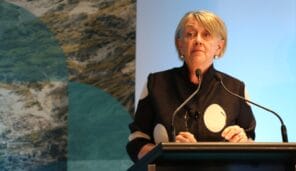
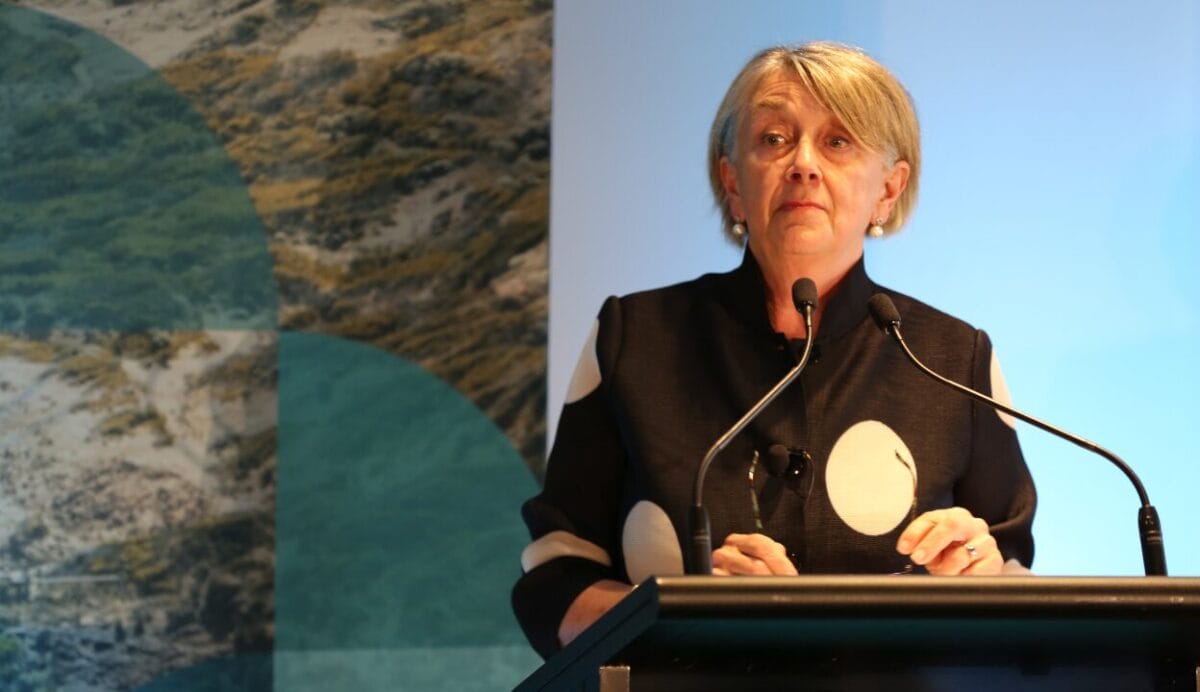
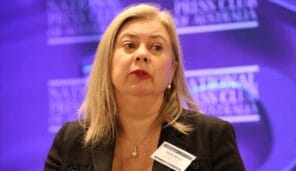
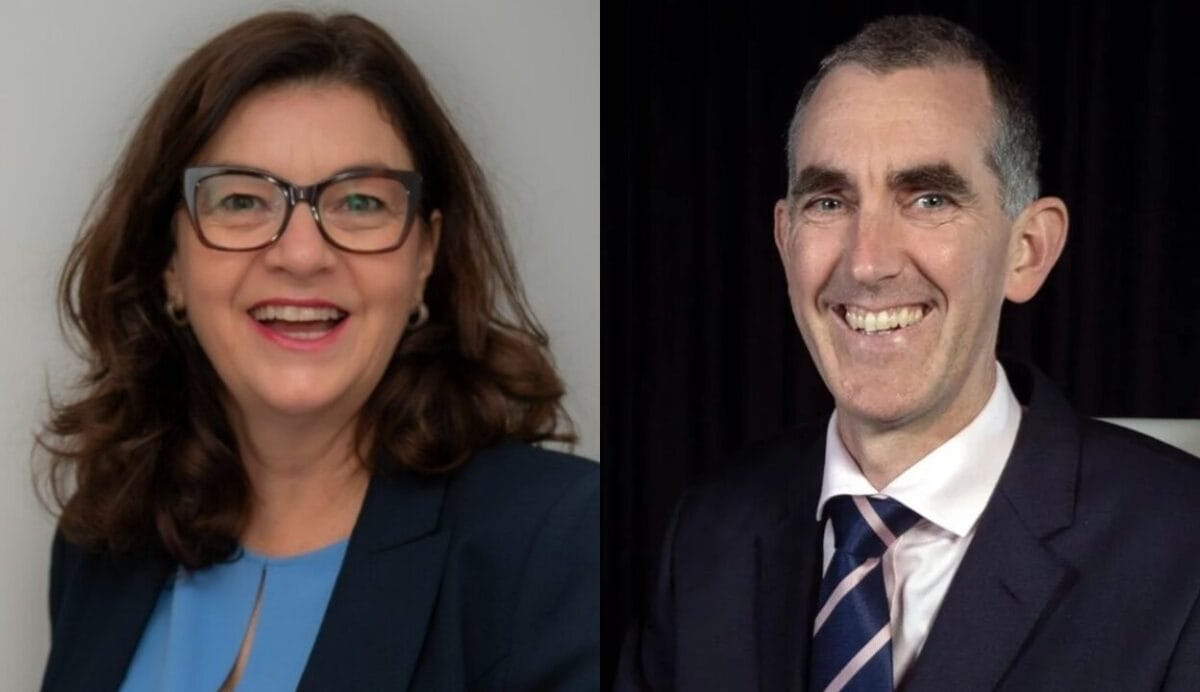
Norma Falconer, founder and managing director at Perth-based Think Capital Advice, is of the view that advisers are left “carrying the can for far too long”. While acknowledging there were bad actors dishing out inappropriate advice, she says platforms and licensees should have been the first line of defence for weeding out bad products and it is high time that they improve their due diligence process.
“In Australia for a financial advisor to have a license, the average cost is $60,000 a year give or take – that includes professional indemnity – and we are responsible for the paper and for the advice,” Falconer tells Professional Planner.
“But I don’t know that I’ve ever seen anywhere where a licensee is held responsible for not having due diligence on their approved product list.”
Licensee InterPrac is under investigation by ASIC, and its authorised representative Venture Egg and lead adviser/principal Ferras Merhi has been central to the case.
However, many of the trustees of platforms are also under investigation for the due diligence role they played.
“[The failed products] were approved by the dealer group and approved on a platform,” Falconer says.
“Where does the responsibility start? It starts with the people that approved the product in the first instance. That’s where the failure lies.”
Falconer says her firm looks out for higher-than-usual returns and liquidity as red flags in investment products.
“My approved product list with our dealer group is open, meaning we have access to most platforms and most products on platforms,” she says.
“Of course, I’m going to do my due diligence. I’m going to check over Vanguard or BlackRock, but who approved Vanguard and who approved BlackRock [on platforms and APLs]? What happens if they fail? Does that mean I gave bad advice, or does that mean that the product house did the wrong thing?”
These cases will only increase the burden on the Compensation Scheme of Last Resort, and clients will end up bearing the brunt as advisers have no choice but to increase their fees, she warns. The CSLR is expected to cost $67.3 million in FY26, however this does not include the impact of Shield and First Guardian which will impact future levies.
The advice profession is required to cover $20 million a year, which is capped, and the government is assessing how the excess amount will be covered.
“The advisers… who are helping people day to day, are the ones left holding the responsibility for something that somebody else made a decision on, but maybe we need to start looking at platforms, product and legislature,” Falconer says.
However, private client adviser at Arrow Private Wealth Simon Lewis believes that in a situation like Shield and First Guardian, advisers who directed their clients into those schemes should ultimately be held accountable. The practice is self-licensed and has a mix of internal and external experts reviewing investment managers and funds for its APL on an annual basis.
“As far as I’m concerned, the platform’s not there to do the work for the adviser and or the advisory firm, and determine whether that particular investment is appropriate for their client or not,” he says.
“I want platforms to provide access to funds and to provide flexibility. I don’t want them to be making decisions on what’s appropriate from for my client.”
He acknowledges that platforms do need to take an extra due diligence step for any investment funds hosted on the superannuation platforms as they are technically trustees in that environment, but “the obligations of the adviser are identical”. This is on top of the fact that many platforms need clients to have an adviser before they can access the products.
“Whether it sits inside super or outside super, the same amount of due diligence needs to be done and all the boxes need to be ticked to ensure that it’s appropriate for the client,” Lewis says.
“Perhaps there does need to be a higher standard with the trustees of the super fund, or even with the platform provider themselves, if they’re effectively allowing investors to access investments of their own accord.
“They need to be certain that that that those investors have either sought the right advice or have the ability to make decisions of their own accord appropriately.”
High profile failures like Shield and First Guardian will again raise questions around financial advice’s professionalism, but Lewis argues “you get bad eggs in every profession and across humanity”.
“That’s the balance that government has got to get right in terms of how they monitor that and ensure the right structure are in place, so that good people who want to do the right things can operate within an industry and those who want to do the wrong things are pushed out.”