

Ultimately, it’s up to advisers – not the licensee or the institution – to be responsible for managing their own conflicts of interest, former ASIC senior investigator Peter Cashel has said.
It’s written clearly in ASIC Regulatory Guide 175 that advisers are responsible for managing their own conflicts, said Cashel, who’s now a director at consulting firm Catalyst Compliance.
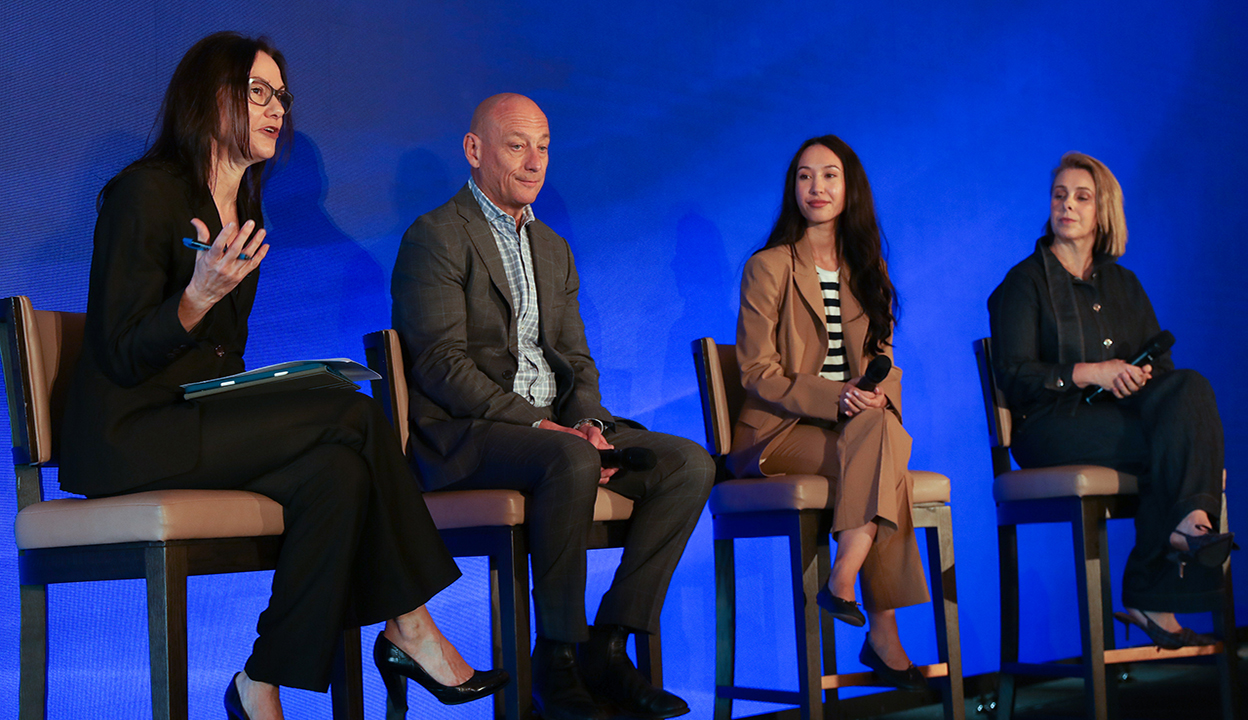
Advisers should look at ASIC’s RG 175 as their “bible” for managing conflicts of interest, he explained, speaking on a panel at the FPA Professionals Congress along with ASIC’s Kate Metz, Story Wealth Management’s Anne Graham and Holley Nethercote partner Grant Holley.
RG 175 covers the “conflict priority rule”, Cashel highlighted.
“This has nothing to do with the licensee, it’s about the adviser – that is, the advice provider. It sets out rules you must follow to manage your conflicts of interest,” he explained. “You are complying with the law if you tell your principle you’re not going to recommend a product because it’s not in the client’s best interests. It may be that you’re in trouble with the employer as a result but you’d be right and they’d be wrong.”
Advisers can’t “disclose away” conflicts of interest, they need to recognise them and address them to remain compliant with their obligations, Cashel continued.
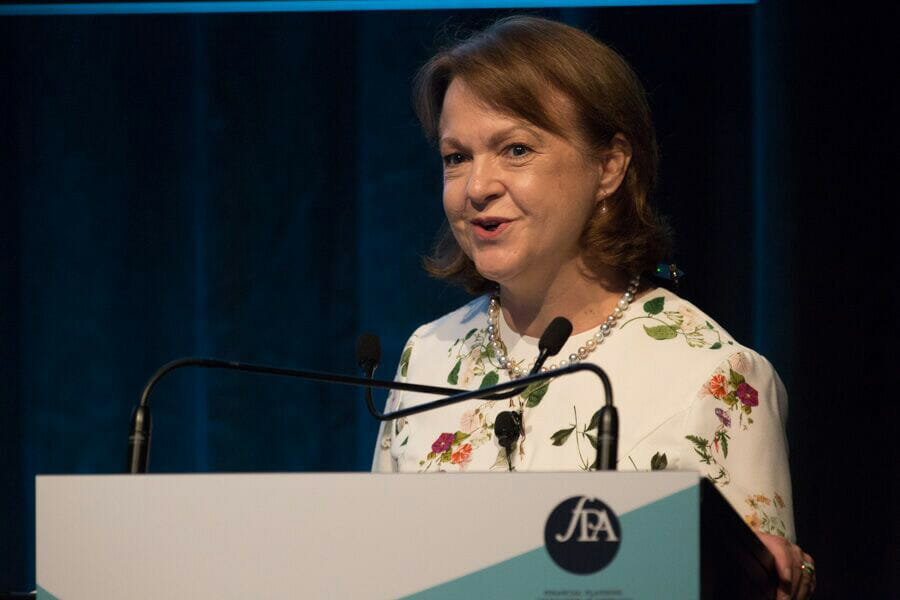
Opening the session, Dr June Smith, head of the Australian Financial Complaints Authority, noted that conflicted advice goes well beyond those who are intentionally corrupt or “bad apples”.
Unconscious and unintentional conflicts are also prevalent and there will be many conflicts of this kind that will be missed, Smith said.
“Something else needs to occur other than just disclosure or just management,” she said. Smith added that a degree of self-awareness and introspection was required by practitioners themselves, to identify and manage conflicts of interest.
“I have seen many well-intentioned professionals succumb to unintentional conflict of interest situations,” she pointed out.
For advice practices building the investment function into their businesses, the stakes for managing conflicts of interests get even higher, Cashel noted.
“Practices are establishing model portfolios, they’re becoming the investment managers for those portfolios. They’ll put their clients into an MDA [managed discretionary account] platform…They will recommend that product to their clients and they’ll get paid a management fee. That’s vertical integration,” he explained. “You can only recommend that product if there’s an additional benefit for the client to invest in that product.
“In simple terms, you’ve got to show you’re putting the clients’ needs ahead of your revenue.”


















Leave a Comment
You must be logged in to post a comment.