


A professional indemnity (PI) insurance scheme, similar to the one used in law, would not work in financial planning because it is not a profession, a leading academic has said.
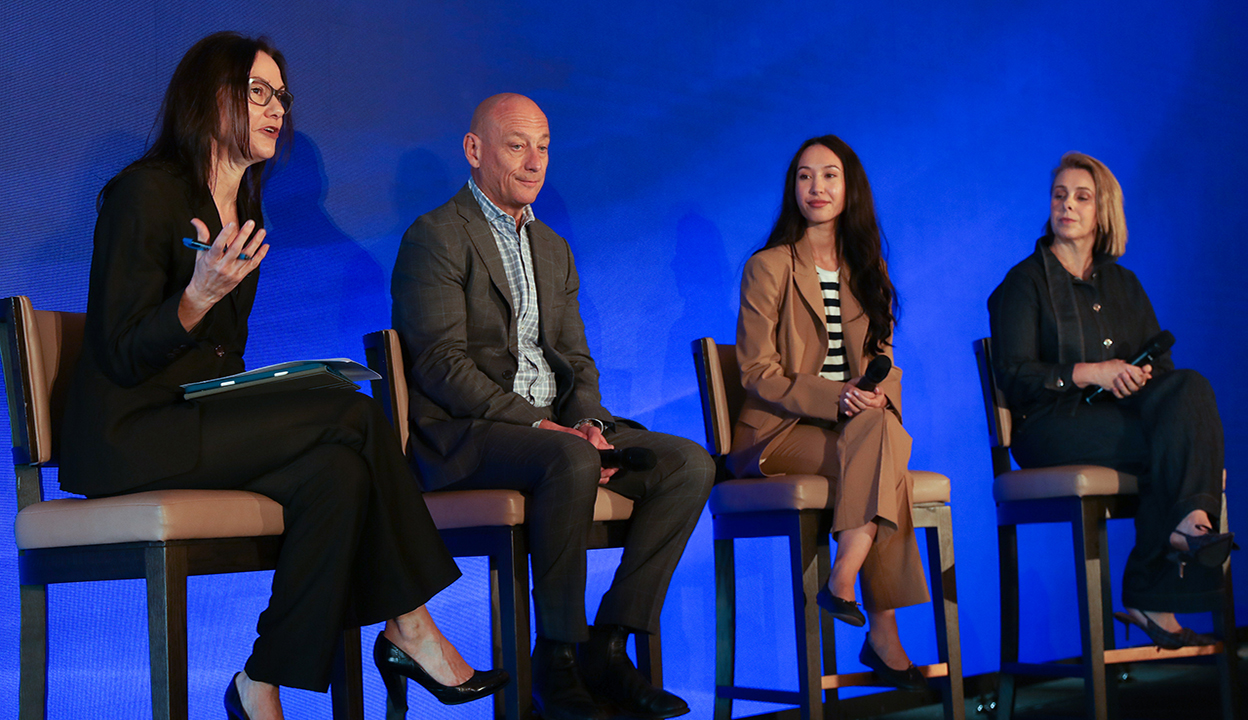
Speaking as part of a panel at the Financial Services Council Leaders Summit, professor Pamela Hanrahan, a financial services law expert from the University of NSW, said risk mitigation strategies could not be easily transplanted without the professional architecture to support it.
“The difference in a profession is that the professional body can put in place mitigation strategies like continuous professional education, risk management through the Law Society, and so on,” she said.
Without a code of ethics in place or a system to check industry participants’ PI insurance status, she questioned how it could be applied.
“If you’re trying to export the professional indemnity/fidelity model to an industry that is not a profession… how do you do that? Can you make an insurance-type solution around an industry that doesn’t [have its] own body and doesn’t have any of the professional architecture around risk mitigation strategies?”
In response, fellow panelist Shane Tregillis, Financial Ombudsman Service chief ombudsman, said a code of ethics and professional standards were in the pipeline, to which Hanrahan replied “sure in 2024”.
Tregillis responded: “There are codes of practice. To me it’s a defeatist argument to say, ‘We’ve got to wait until ASIC gets involved. I do think the industry can step up; the FPA for example, has stepped up in terms of looking at PI and other issues in professional standards. “It is a fragmented industry, it’s not quite so easy.
“We support the mitigation measures designed to reduce the claims occurring. If we don’t get there, we will all fail.”



















Leave a Comment
You must be logged in to post a comment.