
Multichannel marketing is a buzzword you hear plenty – including here on this blog, as I’m a big fan. It means using a range of platforms to speak to your target audience, ranging from websites, email and social media to the old-school options of print, radio and TV and direct mail.
One marketing channel that can be overlooked is events. But even as we see a rise in webinars and virtual conferences, real-world events such as conferences and trade shows are still going strong.
Events still have their place as an option for reaching your clients. However, not all events are created equal, so here are some tips for maximising your investment if you choose to go down this path.
Be picky
There are more events out there to attend than there are days in the year, so you need to choose wisely. Before you invest your time and money, ask yourself these key questions:
- Do your target clients attend? Don’t just settle for reading the organiser’s sales pitch. Ask for a breakdown of the audience demographics and past attendance numbers. (If they’re leery of giving you those, take it as a warning sign.)
- Which of your competitors attend? Always look to see if other businesses in your field are sponsoring, exhibiting at or attending the event. Chances are, if your competitors are there, your audience is, too.
- Is it the right type of event? There is an array of types of events, and choosing the right one comes down to what you want to get out of it. If the chance to speak one-on-one with potential clients is what you’re after, a booth at a trade show might be the best option. If your aim is to establish your thought leadership, seeking a speaking slot at a seminar-style event could be a better choice.
Be strategic
Once you’ve chosen an event, don’t rely on the event’s organiser to deliver potential clients to you. While the organiser sets the scene, it’s up to you to make the most of this opportunity. Decide on what want you want to achieve, and put a plan in place. Here are the critical next steps:
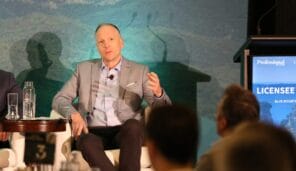
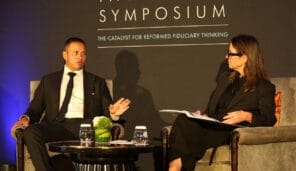
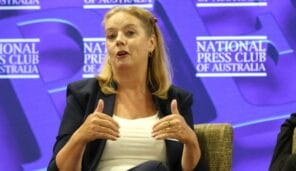
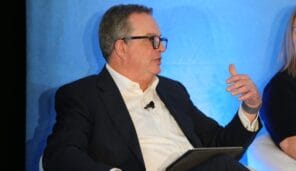
- Decide on your role. You need to choose whether you’re going to just attend the event or exhibit at it, or get more actively involved. For instance, you might seek a speaking slot, chair a panel or run a workshop. I believe that by taking an active role, you generate more value from an event because you have a deeper impact on a higher number of attendees.
- Clarify your branding and messaging. If you have an exhibition stand, carefully plan how you will set it up to create a space that enables you to interact with your potential clients the way you want to. Make sure you have the right material available to display and give away. Set up a screen and run a video or offer interactive content, and you’re more likely to draw in potential clients.
- Boost your signal. Attending an event brings a host of social media opportunities, from tweeting the best quotes from a keynote address to posting videos of sights and sounds at the event. See if you can piggy back off the event organiser’s social media to amplify your message. Also, don’t forget that journalists are always looking for interesting content, so engage with the media if they’re attending. Even if it doesn’t result in coverage, a little networking in this space never hurts. Which brings me to my next point . . .
- Every event has networking options, so make sure you take part in them. Don’t be afraid to ask the event organiser for an introduction to any specific target client you want to meet. If they’re worth their salt, they’ll be happy to help you.
- Track leads. If you’re not planning to generate sales leads, then I suggest you rethink your involvement in the event! You want to be able to show an ROI, and it’s hard to do that unless you track and follow up on leads. Before the event, have a plan in place for how you’re going to capture leads and contact and manage them when you’re back in your office. Having a plan makes you less likely to waste precious sales opportunities. And remember: always keep a source attached to the lead so that you can actually track it.
Above all, make sure the messaging you use during an event is consistent with your overall marketing strategy. The messaging on your stand and that you convey to everyone you meet needs to match the rest of your pitch. Maintain a consistent message about your brand, tailored to your target audience, and you just might find that events can become an effective element of your multichannel marketing.