


The divided reaction to the release of the Trowbridge Report’s final recommendations has perhaps been best illustrated in the way the Financial Services Council (FSC) and Association of Financial Advisers (AFA) have responded.
Despite having jointly formed the Life Insurance and Advice Working Group (LIAWG) – headed by high-profile actuary John Trowbridge – in response to the regulator’s damning report on the quality of life insurance advice, the AFA rapidly backed away from the final Trowbridge report, released in March, while the FSC supported it.
Brad Fox, chief executive officer of the AFA, criticised Trowbridge’s findings on a number of fronts. He argued the recommendations could increase the cost of life insurance for the consumer and reduce advisers’ income from life insurance advice, ultimately failing to solve Australia’s underinsurance problem.
“Ideally this final report would have our complete support, but unfortunately, in its current form, it does not,” Fox said.
Conversely, the FSC gave its full support to the Trowbridge report, with many of the council’s own recommendations making the final document. For a number of industry figures, particularly individual risk advisers, this fact was enough to discredit the final report. Life insurance companies make up the majority of the FSC’s membership base.
Download the full article, “A stitch up?”, as a PDF
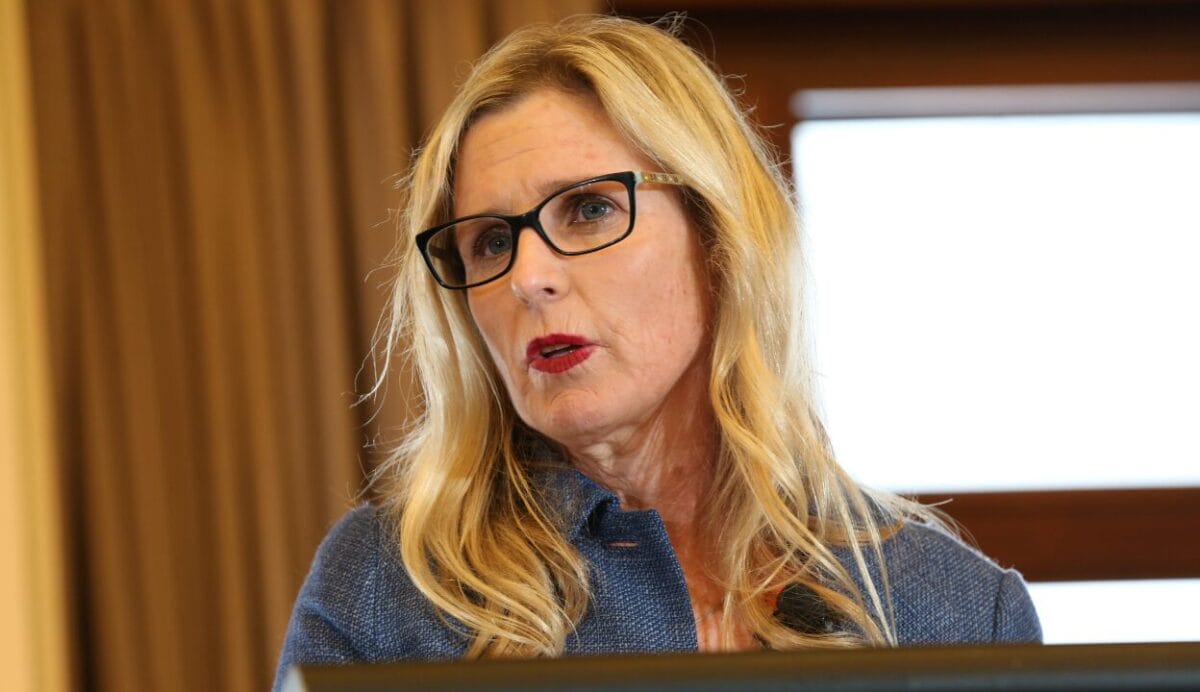
The chief executive officer of the FSC, Sally Loane, responded by saying that advisers “had a very big voice and an equal voice at the table. Trowbridge spent hundreds of hours talking with advisers. So I think he got a very clear picture of their views.”
Known as the Life Underwriters Association until its name change in 1994, the AFA’s membership consists mainly of specialist life insurance advisers. Many have been outspoken critics of the final Trowbridge report, penning numerous articles, online comments and being quoted several times within industry publications, including Professional Planner.
Despite all the critics, a growing number of advisers have adopted fee-based approaches, proving that it can work – and not only when giving holistic advice to wealthy clients.








Leave a Comment
You must be logged in to post a comment.