

Recent reports on the Australian insurance market show there is an increasing trend of underinsurance, as consumers are letting policies lapse, or failing to ensure they have the right cover in place.
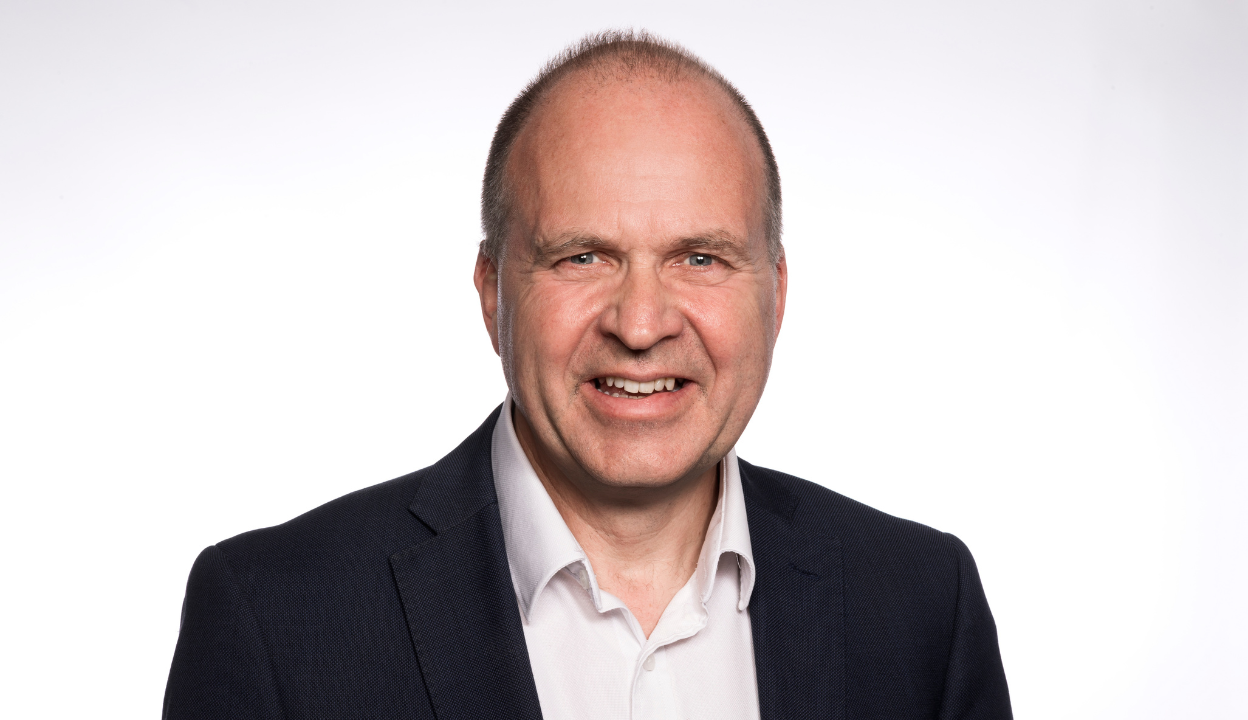
David Phelan from Effective Referral Management asks the following questions:
– Who is responsible for making sure these issue are addressed?
– Is it the consumers?
– Is it their advisers?
– Is it their accountant who has the most trusted relationship?
Some accountants don’t address insurance, leaving it to their clients.
Given the relationship that is developed the accountants have a responsibility to ask their clients questions about their current cover.
Small business owners in particular are exposed if there is not adequate income protection in place. Insurance is not something that is purchased voluntarily – it requires the advice of a professional to ensure client needs are met.
“Sure, insurance can be bought online, as long as the full extent of the client’s needs are examined.
“In reality, it is the accountants who we believe have the most influence with their clients in terms of ensuring all their needs are met including adequate levels of insurance.
“However, some choose to not address risk insurance with their clients as they are not confident in how to position the discussion or think they are trying to sell something. The consequences of underinsurance can be catastrophic.
“Accountants are held in high regard by their clients and these days expect their accountant to take an active role in attending to other services.
“By asking some extra questions and making sure current programs are reviewed regularly accountants are also enhancing their relationship with their client,” said Mr Phelan.


















Leave a Comment
You must be logged in to post a comment.