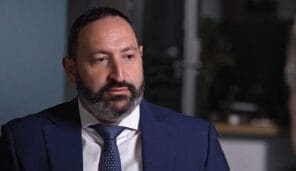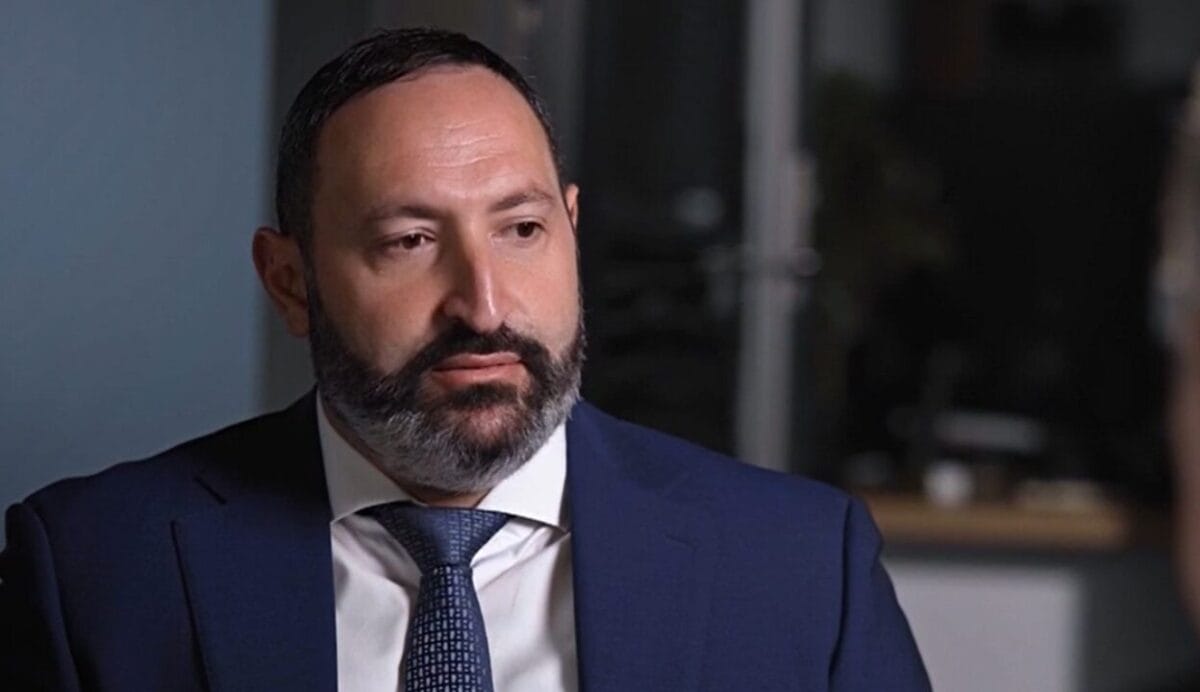

The chair of the Financial Planning Association has called for greater respect to be paid to the role played by planners in the financial services “ecosystem”.
Matthew Rowe says the language of product, sales and distribution remains entrenched within financial institutions, and an ongoing challenge for the community is to change that language in order to shift attitudes towards financial planners.
“What challenges me is that we’re part of an ecosystem and we have a part to play in it,” Rowe says.
“So, if you have an insurance company that can’t or won’t pay claims, that erodes confidence in why people have insurance. If you have superannuation funds that are blowing up, again, that erodes confidence. Everybody has a part to play in the ecosystem, and it’s time to understand what your part is and do it in a respectful manner.”
Client-centricity and the professional community
Rowe believes that everything financial planners do is based around clients, from “demonstrating value, advice, helping them to change their lives”.
“If there’s a product that comes into that… OK, there’s a part to play,” he says.
“But, fundamentally, some in the ecosystem need to look at their mindsets. Everything has to be client-centric. That’s where all of this is going to come from. And until they can start to see that, they don’t deserve to be part of the ecosystem.”
Some licensees, he says, need to accept that the professional responsibilities of financial planners may conflict with the commercial objectives of the ultimate parent of the licensee.
“It’s very important for us and for me personally that we are licensee- and employer-agnostic,” Rowe says.
“If you’re a member of the professional community and you sign up to our standards and meet all of our requirements, it doesn’t matter who you work for or who your licensee is: you’re welcome. And you should be; everyone should be treated equally.
“But there will come a time when those planners working for organisations [that are] out of sync with our values will stand up, and they’ll either vote with their feet and leave, or they’ll embark on a change process internally. I think the leaders of some of those organisations need to start to respect that. And if they do not, they need to start to watch out.
“The good ones do [respect that]. The ones that get it in terms of yes, we believe that looking out for the client is the right thing to do and they understand there are values involved in being a financial planner and they don’t see us as just distribution or sales, will flourish. The others are about to take a long walk into the permafrost.”
True self-regulation
A willingness to place professional duty ahead of an employer or licensee’s commercial interests is a fundamental step towards effective self-regulation for any profession, Rowe says.
“Self-regulation means getting ahead of the curve so were doing things in the public interest, which reduces the need for government and politicians and interest groups to get involved in things,” he says.
“You cannot not be regulated. Look at the accountants – they’re regulated through the Tax Practitioners Board and the Tax Office. You do something wrong there, and you lose your ticket to trade. There does need to be some sort of regulatory stick, and that generally means the ability to take away someone’s livelihood. We can kick them out of the professional community, but they can still operate and trade under a license regime.
“A true self-regulatory – or a better term is co-regulatory – framework is that the professional body and the regulators, wither that’s ASIC or the TPF or whoever, are working together. That’s why it was important for us to have our code of practice lodged with ASIC to be approved, and why it’s important FOS uses our code when it looks at determinations against planners, to build precedents and to build confidence… that we have got something that is to a higher standard, and have our members believe in it.”
Rowe says it would be “very interesting if there was ever a day – and this day may come – when some kind of regulation comes in that those licensees can’t accept distribution or product payments, and they’ve got to be standalone profitable or at least break-even businesses on the basis of advice only”.
“That day may come,” he says. “We’re facing into a Senate inquiry now.”