


With the Future of Financial Advice (FoFA) regime now in force, it is time to review the various pieces of the regulatory jigsaw puzzle, according to Hugh Elvy, head of financial advisory services for the Institute of Chartered Accountants in Australia (ICA).
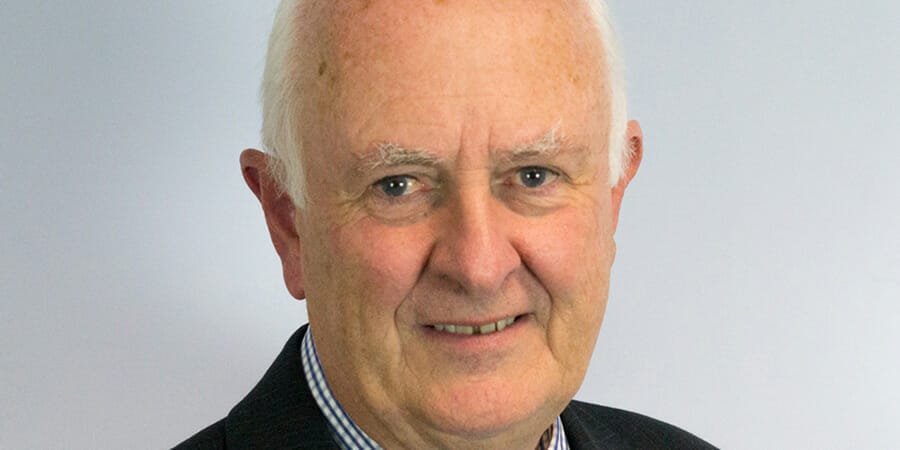
“The question now is: with all these additional and existing regulations and registrations, how do they best fit together efficiently?” Elvy (pictured) says, in the first of a regular series of columns written by the ICA for Professional Planner.
“Take, for example, how chartered accountants operate.
“A chartered accountant may be a registered company auditor, registered tax agent, registered BAS (Business Activity Statement) agent, registered company liquidator, approved SMSF auditor, or licensed under an Australian financial services licence (AFSL) or Australian credit licence (ACL) regime.
“For chartered accountants, regulation is not a new phenomenon that they need to become used to. In many respects, it is the norm for those operating in public practice and providing professional services to adapt and adhere to regulations from a number of bodies, including APRA, ASIC, the ATO and the TPB.”
Elvy says it is important that “we do not increase the hurdles to a point where professional advisers find the regulation too hard and are forced out of their chosen profession”.
“Otherwise, the result could be fewer options for Australians trying to access advice, and significant economic implications for small business in Australia,” he says.
“We now have the pieces of the regulation jigsaw puzzle – we just need to bring them all together and work with the regulators to achieve the big picture we want to see.”
Click here to download the full ICA column.













Leave a Comment
You must be logged in to post a comment.