
Only 14 per cent of investors educated by advisers on ETFs, says report

  • 22 June, 2011
  • 0
  • print

Drew Corbett

Only a fraction of investors in exchange-traded funds (ETFs) have placed money there because of advice from or education by a financial planner, according to a new, comprehensive survey of investors.

The BetaShares/Investment Trends Dec 2010 ETF Report that surveyed over 7800 investors found that “only 14 per cent say they learned about exchange traded funds through a financial adviser”.

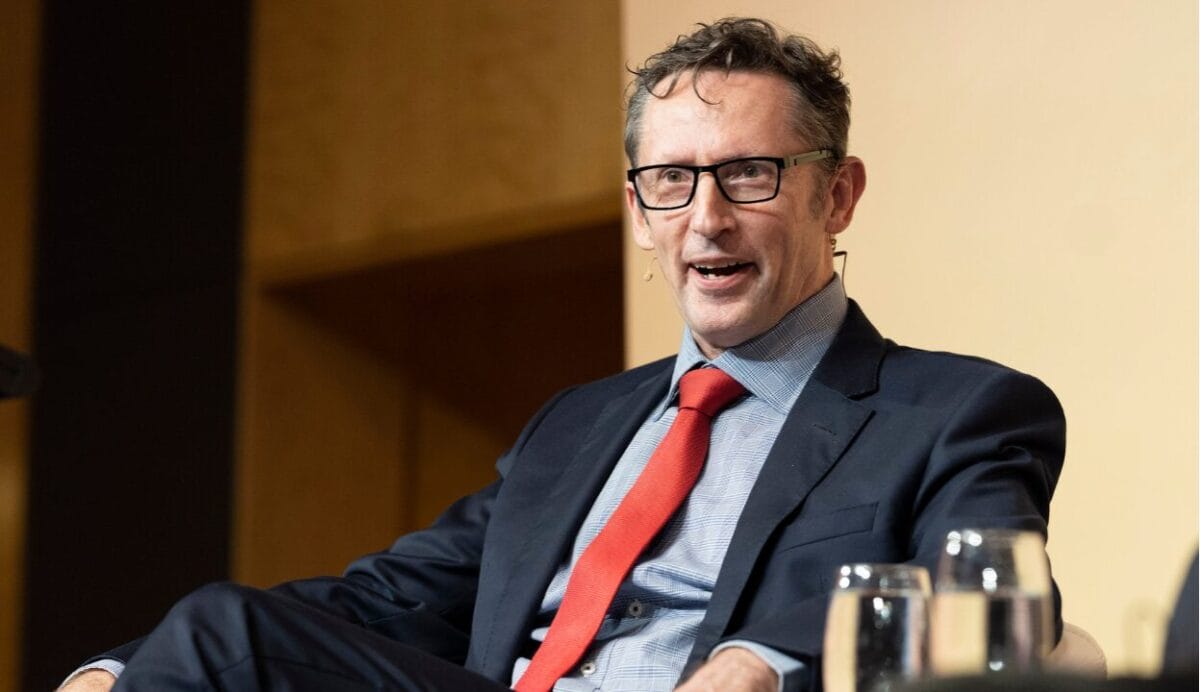
Mark Johnston, principal of Investment Trends says that the number of investors who say they first learned about ETFs through any sort of adviser had doubled in the 12 months between studies.

“But we’re still only at 14 per cent at the end of last year,” he says.

“The interesting part for me about the growth of ETFs to date is that the early adopters of ETFs in Australia have been very much self-directed investors.

“This is beginning to change now, but most of that strong growth we’ve seen has really been initiated from the investor side rather than driven from the adviser side.”

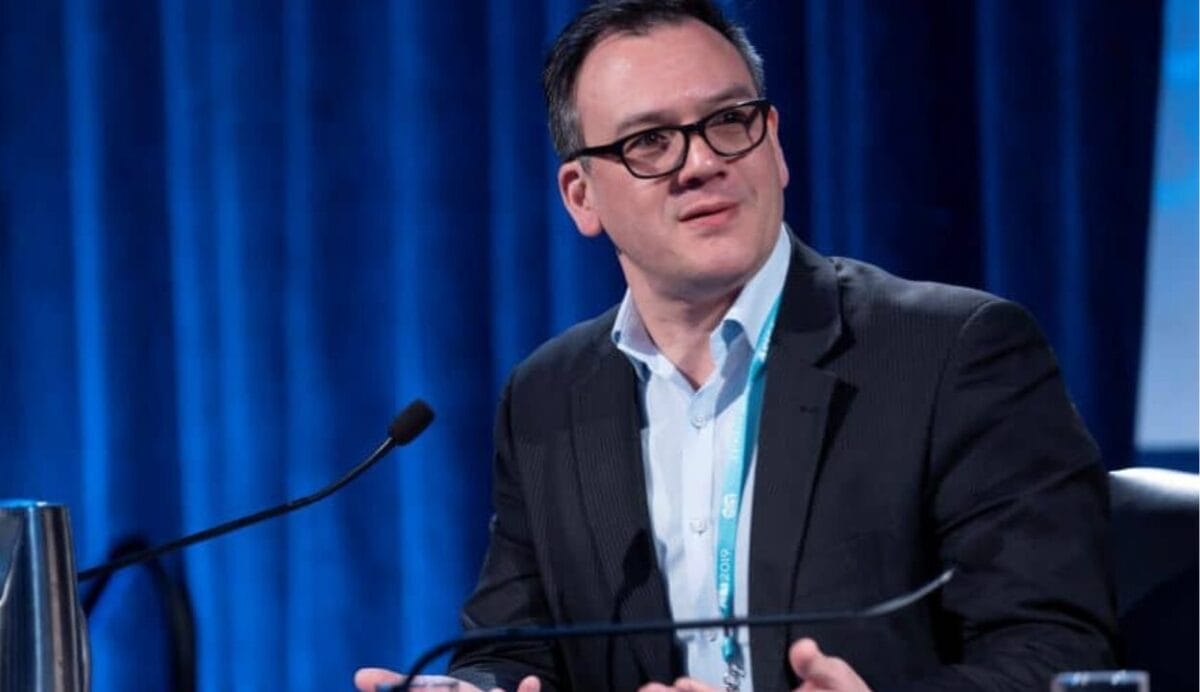
Drew Corbett, head of investment strategy and distribution at BetaShares, says that ETFs “enhance the adviser value proposition”.

“Planners are now starting to be educated on the benefits of these products,” he says.

“They are simply tools that give access to certain exposures that allow them to move through very liquid markets on the exchange.

“[ETFs] give advisers a lot more flexibility and more use of their bandwidth to address other issues in the relationship with their investors.”



 

Corbett says the ETF sector needs to do more to increase the awareness of their benefits and how advisers can implement them within their practice.

“ETFs are very, very useful tools for SMSF portfolios,” he says.

“Also the fee reforms for advisers are driving more practices towards fee for service, and ETFs being a low-cost investment tool dovetails nicely with that.”

Addressing the concerns about whether the ETF marketplace is on the way to becoming a bubble or the “new theme fad”, Corbett says they cannot be defined as one.

“ETFs have been around for 20 years overseas,” he says.

“They have gone through the GFC and they’ve come through without a blemish.

“In times of volatility, people turned to ETFs for liquidity.”

The report also revealed that the rise of ETFs is set to continue with a forecast to grow to between 72,000 and 80,000 investors by the end of 2012.

Johnston says: “According to our modelling, there were 53,500 Australians with one or more investments in ETFs at the beginning of 2011.”

Furthermore, he says, “another 67,500 investors intended to make an ETF investment in [2011]”.

“What’s nice is the strong growth in investor numbers in spite of the uncertainty in the broader investor universe at the moment,” he says.

Since the GFC, the Australian ETF industry has been the fastest growing of all major ETF markets.

Vote
Is the SMSF space central to your growth strategy?

 
  • Filter:
  • Practice Management

    The art and science of running a profitable and efficient financial planning practice.

  • CPD

    Keep your professional knowledge up to date with articles from recognised experts.

  • Professionalism

    What it really means – and what it takes – to be a true professional.

  • Regulation

    Stay abreast of the most recent changes to regulation and the law and how the changes affect your business.

  • Technical

    Product and sector issues interpreted, analysed and explained.

  • SMSF

    Everything you need to know about providing advice and guidance to the trustees of self-managed super funds.

Challenge and consider changing your licensee

The professional obligations of financial planners trump those of their employers and should guide their behaviour in dealing with practices or processes that ... [more]

Legal view: regulation won’t end scams

A senior finance-industry solicitor says the new era of fee-for-service will not automatically end the rorts offered by some commission-based schemes of the ... [more]

AMP’s Helmich on FoFA, recruitment

Steve Helmich, AMP director of financial planning, advice and services says he has never seen the mood more positive amongst AMP’s financial planners. ... [more]

Advisers singled out as Trio saga concludes

An 11-month investigation into the collapse of Trio Capital has concluded with a Parliamentary Joint Committee recommending closer scrutiny of both planners and ... [more]

Compensation key as Trio findings released

The Financial Services Council (FSC) has echoed the sentiment of an independent report calling for a “sense of proportion” in the debate over ... [more]

‘We have allowed product to drive the relationship’

Systemic failure by Australian private banks to service high-net-worth (HNW) individuals has created an opportunity for financial planners to compete for these clients. ... [more]