
The thorny issue of the value of advice has raised its head again, in new research released by ING Direct that examines the attitudes of Gen X and Gen Y and reveals the typical value placed on a comprehensive financial plan by these consumers is $250.
While the research, The truth about Gen X and Gen Y: Behaviours and attitudes towards super, retirement and financial advice, reinforces some of the Gen X and Gen Y (or millennials) stereotypes, it also importantly debunks several longstanding myths – including the presumption that they will predominantly seek advice online.
The research says these consumers are likely to be attractive to financial planning businesses – their current net worth is estimated to be about $1.4 trillion and in the next three decades an estimated $2.4 trillion will be passed on to them by ageing baby boomers. And it provides insights into how financial planners can define and articulate a value proposition to attract these consumers.
Even though only 5 per cent of Gen X and Gen Y consumers currently have a relationship with a financial planner, more than half of them say they intend to engage one in future. They also claim a very strong bias to face-to-face advice, with 80 per cent eschewing robo-advice in favour of developing personal relationships with trusted advisers. (The research also found that more than half of all respondents said they expect robo-advice to be free.)
Advice triggers
The research says the main trigger for Gen X and Y consumers seeking advice is buying a home, but receiving an inheritance is also a milestone event. It says a “key source of new clients for financial advisers will be the children of existing clients”.
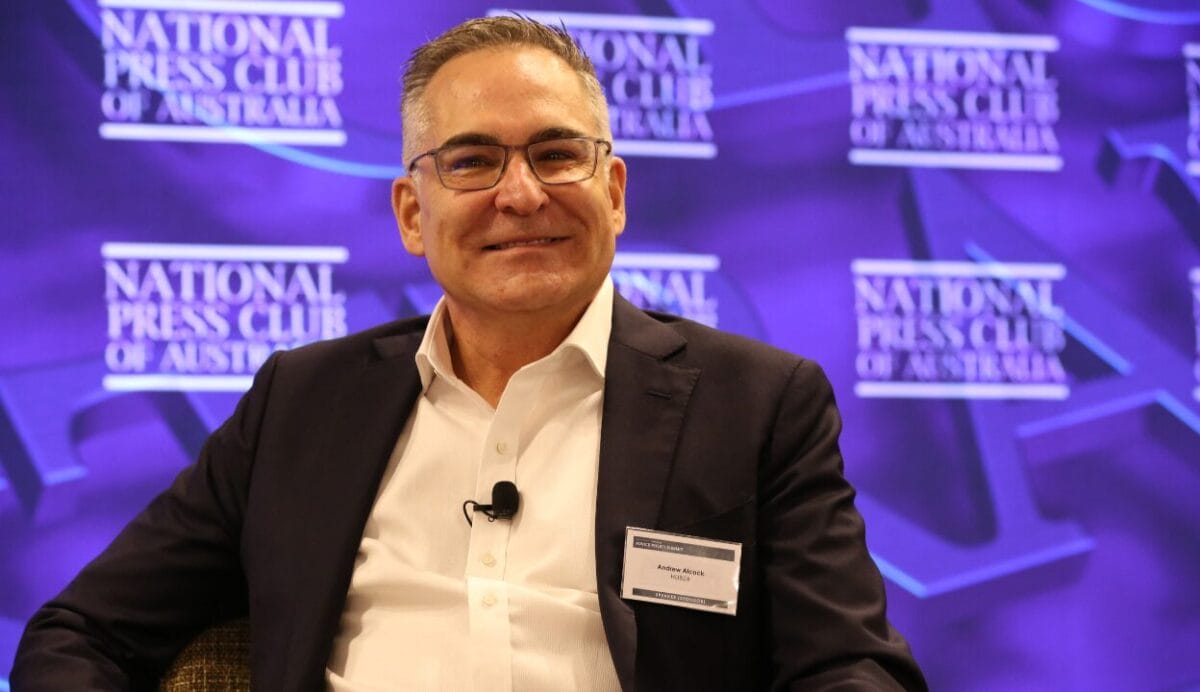
Tim Hewson, national partnership manager, residential and wealth for ING Direct (pictured), says opportunities for advisers to engage with Gen X and Y clients occur where their parents have had a relationship with an adviser.
Hewson says 75 per cent of respondents “value recommendations from parents and 68 to 69 per cent of those who have a parent who’s had an adviser, and who inherit money, will then go take on an advice-based relationship.”
The greatest expectation of financial advice among respondents who do not currently have an advice relationship is that it will help them reach their financial goals. That is followed by helping them to save money, helping them understand superannuation and finances better, and developing a financial plan that they can stick to.
But there is a clear lack of willingness to pay very much for that advice. The ING research reveals that irrespective of how advice is delivered or the nature of the advice meeting, there’s a clear preference to pay $250 or less for advice.
“On aggregate, millennials are more willing to pay for advice than Gen X,” the research says.
“The majority of Gen X believe fees for comprehensive, personal, face-to-face advice should range from free to $250. On average, millennials are willing to pay $100 to $250 for an annual face-to-face meeting, followed by a comprehensive, tailored financial plan.”
Key to the demographic
Hewson says a key to servicing the Gen X and Y demographics is packaging simple, focused advice services and pitching them at an attractive price.
“Affordability is key to trying to find an entry point to engage an adviser,” Hewson says.
“They need some help in terms of understanding costs, and there’s a role there for advisers to play in terms of clearly articulating what advice costs and what they can expect in return for engaging in that relationship.
Hewson says there is “solid demand” from Gen X and Gen Y clients for financial planning services.
“While only 5 per cent actively use a financial adviser at the moment, the majority of them want to see an adviser in the future,” he says.
“There are key events within their lifecycle that provide those opportunities. There are some challenges, though, in terms of identifying those lifecycle triggers and then packaging up advice solutions based on the amount of money they actually want to pay for advice.
“Working through how to articulate the value proposition back to the customer will be key, and then keeping it simple.”
More concerned about process, relationship
Hewson says Gen X and Gen Y advice consumers are less concerned about the specific outcome of advice than about the advice process and being able to trust the adviser.
“They are less concerned about the outcome, and by that I mean more than 50 per cent of them are not fazed about losing money or about generating a 10 per cent performance outcome,” he says.
“They are fundamentally wanting to make sure – if they are entrusting somebody to provide them with guidance on how to invest or setting themselves up for retirement or helping them achieve their lifestyle goals – that they’re working with an expert in the field and that they can actually trust them.
“How you attach a value to that trust I think is an interesting challenge because they have suggested that if $250 is the maximum that they are prepared to pay, I don’t think it’s that they don’t value that relationship, [but] they do have to get to a point where they can articulate what they can expect from that partnership that they are trying to create.”