
The few dozen financial planners named last month as Australia’s “most trusted advisers”occupy an exalted place in the financial planning industry. But while the Most Trusted Adviser Network (MTAN) is an exclusive club, it is not a closed shop. Entry is potentially available to any planner who measures up.
The MTAN is designed to deliver information to the public about not only who the most trusted advisers are, but also about the common characteristics of trusted advisers. It is based on a set of benchmarks against which all advisers can be measured.
But while that’s a laudable aim, the network also has attracted criticism for its perceived “pay-to-play” nature. Membership of the MTAN is free of cost to the adviser and is by invitation only, but only financial planners that take part in a specific assessment program can be invited to join. That assessment is Beddoes Institute’s Leading Practices Program.
Fully managed
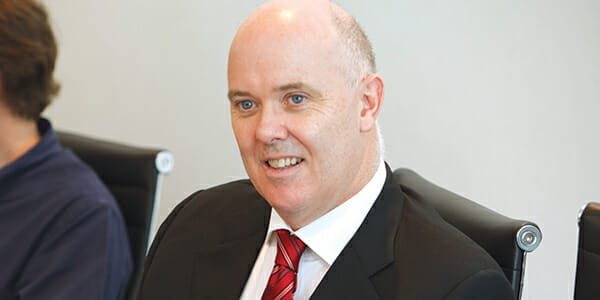
Dr Adam Tucker (pictured), a director of Beddoes Institute, says the assessment includes a fully managed client experience survey and delivery of practice reports. It costs between $1500 and $3500 per practice for practices of up to 10 advisers, depending on the specific reports and feedback the practice wants. He says that volume-based pricing is available to licensees.
Tucker says the Beddoes assessment program already underpins a number of financial planning industry awards, and is used as part of the screening and assessment process for the short-listed candidates in the AFA Adviser and Practice of the Year awards.
“These advisers have already been pre-screened and qualified to reach this stage in the awards process and are undoubtedly among the best in Australia,” Tucker says.
“In addition, we work with corporate licensee partners who promote our client experience survey to the top performing practices in their network. This is typically the top 20 or so practices in each group.
“Finally, we also work directly with high performing advisers who are focused on continuous business improvement within their practices and who use our surveys and an evidence-based practice approach to help them achieve this. This group of advisers strive for excellence in everything they do and definitely qualify as high performing advisers.
“Having validated the surveys and scores, we are now publicising the results to consumers as well as making our client experience survey on which the Most Trusted Advisers Network is based more widely available for advisers. This is the focus of our work now.”
First step
Tucker says the first step to becoming a Most Trusted Adviser is to complete a client experience survey.
“We will use your active client list, provided under a confidentiality agreement, to perform the survey and produce your report,” he says.
“The report will provide insights into how best to improve your practice over the coming year – a Beddoes analyst is available to discuss the findings of your report with you if desired. We also provide a ‘Connecting with Clients’ network at no cost to share knowledge and tools for becoming a better business.”
Client ratings from the client experience survey are analysed and advisers who achieve a net promoter score (NPS) of 50 or more automatically qualify as a Most Trusted Advisers and are invited to join the Most Trusted Advisers register.
Tucker says advisers are encouraged to track their ongoing performance by using quarterly polls, and to re-engage via a client survey experience every 12 to 18 months. Advisers who fail to reconfirm their NPS through the client experience survey are dropped form the MTAN.
Not limited
He says that the advisers involved so far in developing the MTAN have not been limited to specific licensees so the register includes a mix of advisers from independently owned dealer groups, institutionally owned dealer groups as well as a number of self-licensed advisers.
“The standard set for the Most Trusted Advisers Network is a very high benchmark and to date, only one in five advisers, from an already highly performing pool of advisers, qualified for inclusion in the network,” Tucker says.
“The benefit of having this standard is that it provides a goal for advisers to strive for as they engage in rounds of targeted service improvement initiatives.
Tucker says a “valid measure of current performance enables advisers to focus their attention on the areas of client service most in need of attention”.
“Once an adviser has made improvements following a review of their data, reassessing the effectiveness of these changes is then essential to ensuring that progress has been made,” he says.
“Tracking not only monitors their improvements but also sets the agenda for the next round of service improvement initiatives.”
Tucker says the Leading Practices Program is designed to help advisers improve client service, based on feedback form those very clients.
“This approach gives clients a ‘collective voice’ that advisers can respond to with positive and meaningful change within their practices,” Tucker says.
“Principally this initiative is about empowering advisers to become better at what they do for the benefit of their clients.”