
Super funds are lacking advice expertise on their boards and it’s one of the major factors that will keep them from delivering on decumulation obligations.
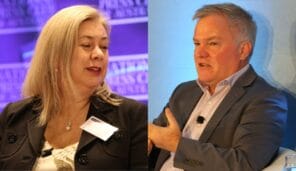
This is one of the early findings of a project commenced by The Conexus Institute, the philanthropically funded think tank from Conexus Financial publisher Professional Planner, which assesses the skill sets of super fund boards.
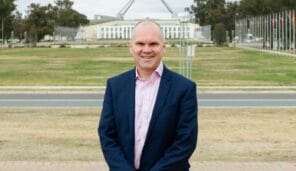
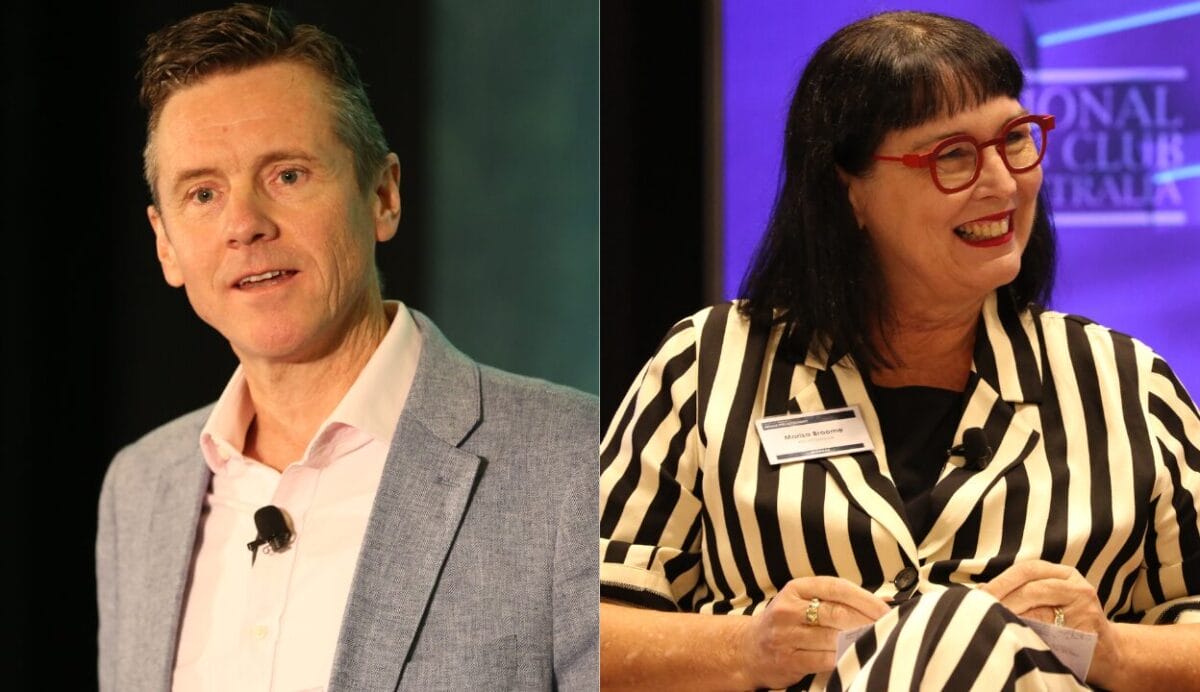
The institute’s executive director David Bell told the Professional Planner Shape of Advice podcast this will likely be a controversial project, but it was important to provide accountability for that function.
“We listed advice as one of those skill sets and we could find barely any evidence that there is aboard member on a super fund in Australia who has advice as one of their key skill sets,” Bell said.
“Something that we’ll be calling out, particularly as this super industry becomes a retirement industry, and we know advice is what the gold standard is in retirement, there has to be that connection there.”
Marisa Broome, principal of advice firm Wealthadvice and former Financial Planning Association chair, sits on the institute’s advisory board to present an adviser voice to a group comprised of perspectives covering superannuation, legislative and consumer voices.
She said this expertise is needed as super funds continue work on meeting their Retirement Income Covenant obligations.
“Especially when we start looking at super funds having to maybe give some sort of guidance around aged care and that has to have advice sitting in it,” Broome said.
Bell said the institute is only in the initial stages of the research, but he can’t see how a good superannuation board skills matrix wouldn’t include financial advice.
“Especially if you’re a super fund who outwardly wants to work with the financial planning community,” Bell said.
“If you want to deliver good retirement outcomes to your members, there has to be that. There needs to be a capability there that brings advice skill sets back inside the fund, and many funds do have an advice business internally or advice capability across the spectrum of advice… an internal financial advice team and an intrafund advice capability.”
Furthermore, the Delivering Better Financial Outcomes reforms will expand the types of advice super funds can deliver, only adding to the importance of having that advice capability.
Institute beginnings
Bell was appointed to lead the institute in 2020 after reaching out to Colin Tate AM, founder of Conexus Financial, who was willing to fund the endeavor.
“I saw an interview … and he [Tate] said ‘I’m so frustrated with where retirement is going, it’s just Groundhog Day, the industry is not progressing, we’re not cutting through on regulations and policy and I want to do something about it. I’m going to put my money where my mouth is and I’d like to fund the research think tank’.”
Earlier in his career, Bell ran the “fund of hedge funds” division at Colonial First State Global Asset Management (which has since split off from CFS ownership to become First Sentier Investors).
“You think of every possible investment strategy, every market in the world, every instrument leverage, derivatives – it was all happening. [The GFC] was the end of the funds of hedge funds industry and that was quite an interesting experience.”
He then had his own investment advisory firm working on the retail funds side. During his consultancy era, Bell became fascinated by the challenge of retirement, completing a PhD in the field.
While studying, he worked as chief investment officer of Mine Super, which merged with TWU Super in 2025 to become Team Super.
“[It’s] really fascinating some of the challenges faced by super funds, for instance, how they balance out the issues of investing for long-term member outcomes versus peer groupings,” Bell said.
“The way the role has changed now from a direct portfolio manager back in the day to more of an executive of an investment team. I was there during some of those transitional moments.”
Adviser representation
Broome is a veteran adviser and was penultimate chair of the FPA, before David Sharpe took over and oversaw the final stages of the merger with the Association of Financial Advisers to create the Financial Advice Association Australia.
“I’ll take some credit on this, I worked for about three years on getting this merger to happen because to me a united voice for advice was really important,” Broome said, also crediting the work of then FPA chief executive Dante De Gori.
“That was really obvious in the advocacy that we were doing from a board perspective, that to have many voices of advice going in to see the ministers and decision makers in Treasury and in ASIC wasn’t being effective because they were contradicting each other.”
Broome said one of the benefits of being on the board is to offer a view of what good advice looks like.
“I’m not bold enough to think that I make a big difference but if I can get just one of those very powerful people on that advisory board to be an advocate of advice that in itself is a really big win because a lot of those people… have only seen bad advice because of the roles they sit outside The Conexus Institute,” Broome said.
Bell said Broome downplays her contribution to the board and the importance that having an advice voice provides the institute in developing potential policy solutions.
“Marisa also plays a really important counter balancing role,” Bell said.
“A number of advisory board members have a superannuation lens, and if you operate in superannuation, you do get conditioned on measurable things like the performance tests and product-led solutions like defaults and it doesn’t work like that in financial advice.”