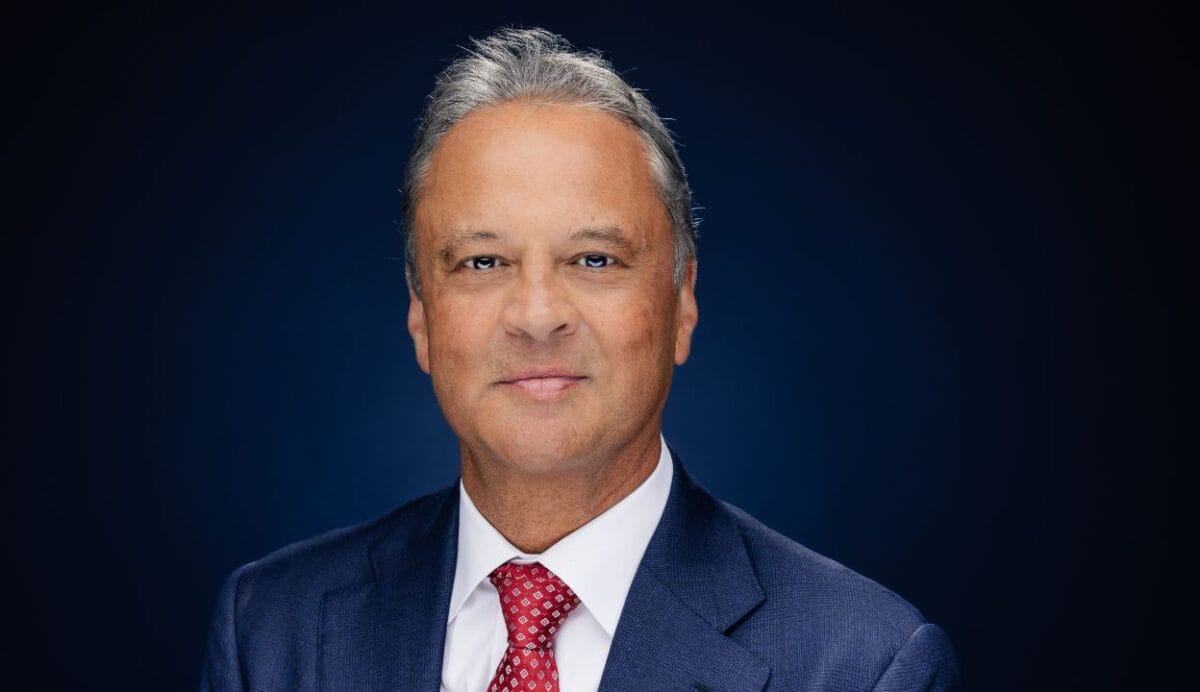

Using superannuation for nation building projects belies its purpose as a compulsory savings vehicle and risks exacerbating flight to self-managed super funds, according to UniSuper chief investment officer John Pearce.
“There’s a real danger – and you see it in the narratives – that the policymakers [and] other vested interests see superannuation as one big honeypot to be used for all and sundry,” Pearce told a panel at the CEPAR Colloquium on Pensions and Retirement Research, adding that governmental direction to invest in particular assets also undercut the few aspects of choice built into the system.
“If indeed we start doing that, with some sort of mandatory allocation to serve public policy needs, I can guarantee you that trend towards self-managed super will just go through the roof. It’s as simple as that.”
The comments came as Victorian Premier Jacinta Allan told the AFR that Australia needed to “do more to unlock that productivity capacity that sits in superannuation funds” and that workers needed the “productive infrastructure that super companies can invest in”.
While Pearce said UniSuper would be happy to fund projects that fit its liquidity profile and are in its members best financial interests, he also questioned the assumption that superannuation funds were natural providers of capital for infrastructure projects given their liquidity-driven portfolio limits on holding unlisted assets.
“There is not an endless capacity to invest in long-dated unlisted assets… You might have between 10-15 per cent allocated to unlisted assets,” Pearce said.
“You work through the numbers and that $4 trillion becomes much, much smaller. A lot of that money is already allocated, so your fund actually has to grow to increase that allocation to unlisted assets, whether it be long-dated energy transition assets, social housing, defence. We’ve very much exaggerated the capacity of superannuation to fund a lot of these things.”
Funds SA chair Guy Debelle, who also advises the investment committee of Australian Retirement Trust and sits on the board of the Clean Energy Finance Corporation, said that while superannuation has a government “overlay” in the form of the Superannuation Guarantee it remained personal savings.
“[But] putting on one of my other hats of sitting on the board of CEFC is that the government can provide the opportunity to de-risk investments in these spaces to crowd in private capital,” Debelle said.
“That’s the mandate with the CEFC and the energy transition… So there are other ways the government can provide the platform to provide that opportunity for private sector investment to deploy.”
Craig Thorburn, director of thought leadership at the Future Fund, told the colloquium that the changes made to its investment mandate that require the board to consider Australia’s national priorities – including the energy transition, housing availability and improved domestic infrastructure – when making investment decisions had not compromised its independence.
“The [wording of] ‘with regard to’ was really important, because we were willing and happy to do so, but the government understood that it was subject to us being able to hit our commercial return targets, and I think that’s a really important point,” Thorburn said.
“Having sat in rooms with [super funds], it is very clear that all of us are highlighting this exact point where capital can be provided into these types of opportunities, whether that be infrastructure, energy transition or housing, whether it be others, if the capital that is provided can actually hit return targets. If those things are aligned, it’s fine.”