
There is no clear plan for the next legislative stages of the Delivering Better Financial Outcomes or the expanded education pathway reforms, Treasury has revealed.
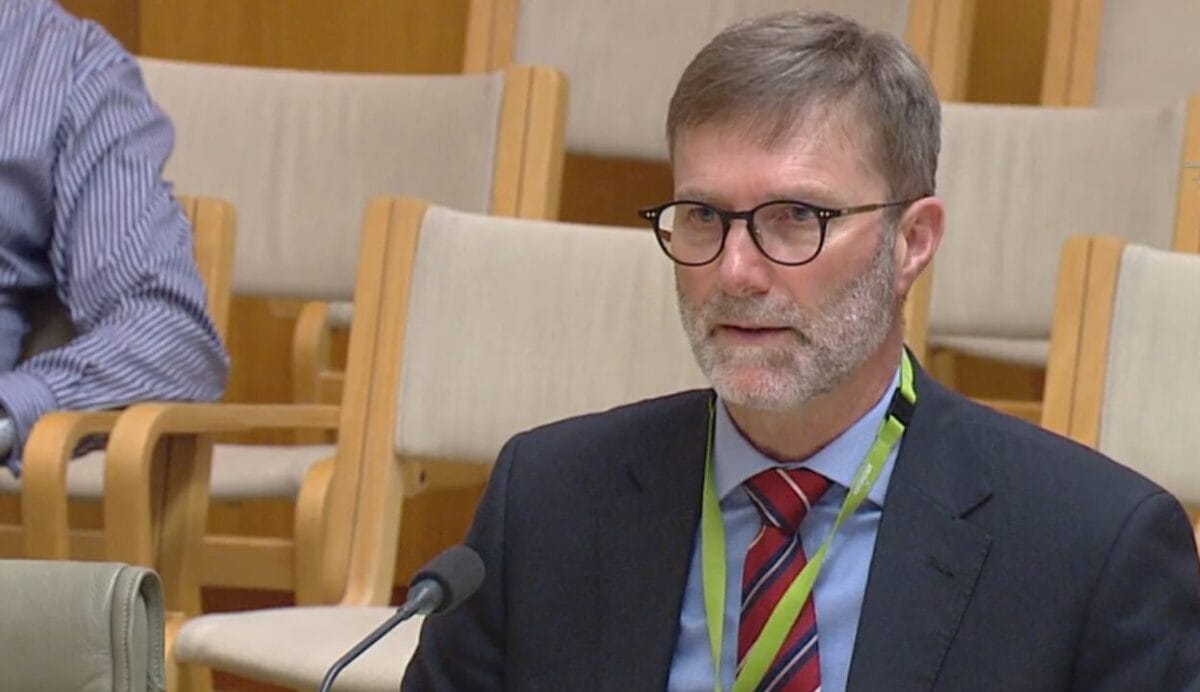
Asked whether the expanded education pathway would be legislated by the deadline to have a tertiary qualification during a Parliamentary hearing on Thursday, Treasury assistant secretary for advice and investments Andre Moore made clear that these would be completely separate rules.
“The new education pathway is not connected to the end of that transition,” he said referring to the 2026 deadline for current advisers to either have an approved tertiary qualification or eligibility for the experience pathway.
“It’s a reform that will not be in place by 1 January [2026] and was never intended to be in place by 1 January.”
Former Minister for Financial Services Stephen Jones announced at the Professional Planner Advice Policy Summit reform to expand the degrees that could be included in the education standard, like commence, accounting and finance degrees.
Moore said the next step would be a consultation on the policy but didn’t provide any timeframes.
Treasury was also poked on the timeframes for the next stage of the DBFO legislation. The government had released part of draft legislation for half of the second tranche of DBFO before the election and new Minister for Financial Services Daniel Mulino called it a “time-sensitive” reform, but Moore was unable to provide any specifics.
“The government hasn’t indicated a timeframe for remaining the legislative elements of DBFO,” Moore said.
The first part of DBFO Tranche 2 legislation included the replacement of Statements of Advice with Client Advice Records, and outlined what advice super funds can collectively charge members for.
But it didn’t include the removal of the safe harbour steps or specific details on the introduction of the new class of adviser.
“Those reforms that were consulted on… we’re considering the outcomes of that consultation process… The remaining elements are under act of drafting at the moment,” Moore said.
“The government has indicated… the remaining elements of the reforms of Tranche 2 and Tranche 3 would proceed into the Parliament together.”
Asked how many people have been working on the draft bill, Moore said it was hard to quantify since his team worked on multiple projects but said it’s around four or five people working on it. “There has been upwards of eight to ten depending on the point of the cycle we’re in,” Moore said.