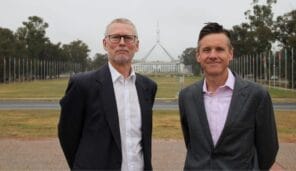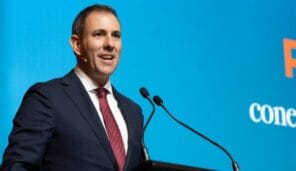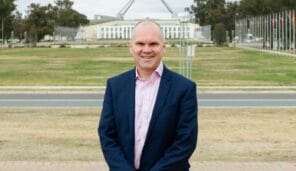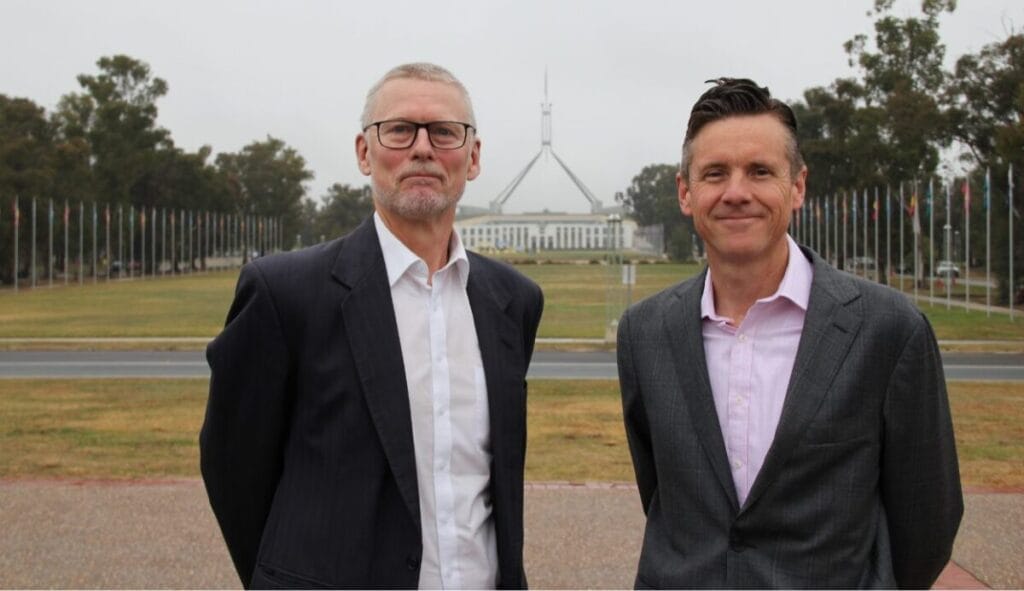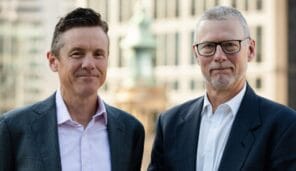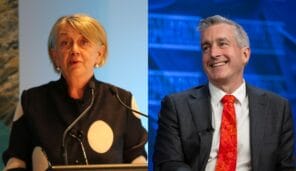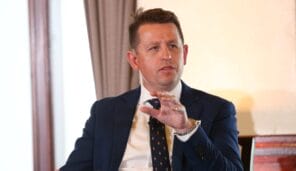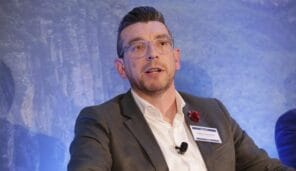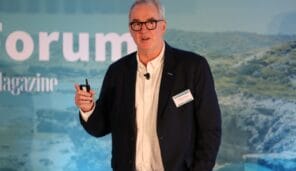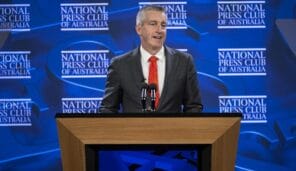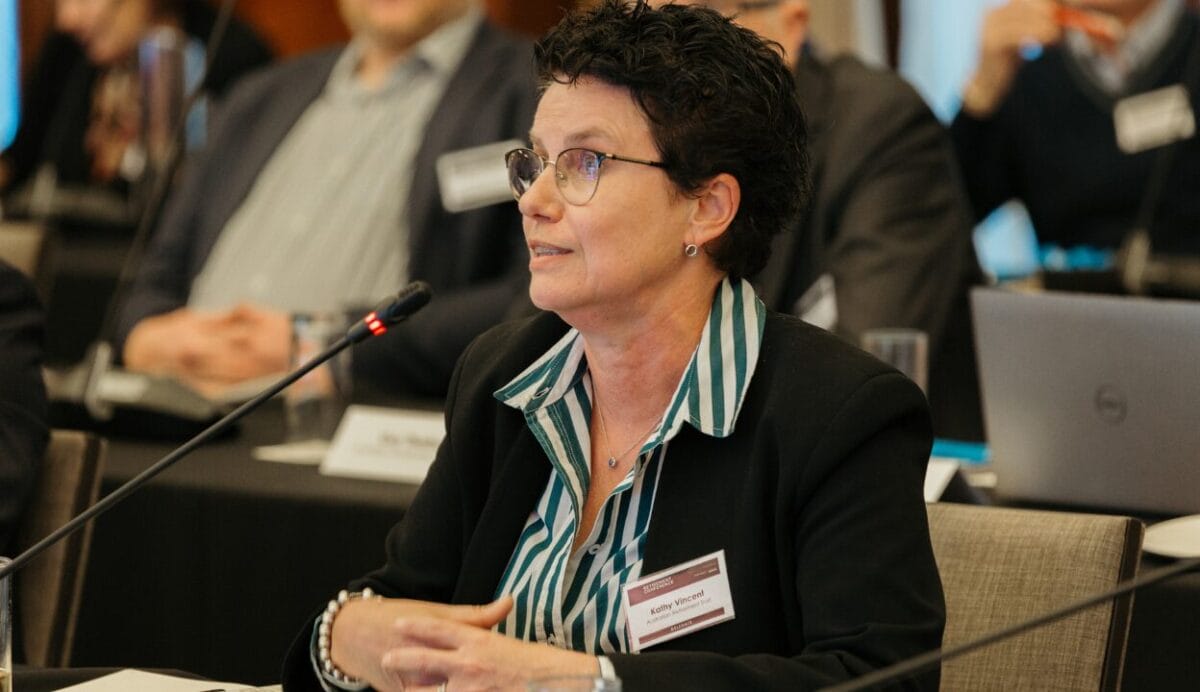

Australian Retirement Trust CEO David Anderson will step down, with chief operating officer Kathy Vincent appointed as his replacement. Having joined the fund a year and a half ago, Anderson wants to be closer to family – specifically, “an expanding cadre of grandchildren” – but will stick around until the beginning of November as part of the transition.
“It’s been an honour and a privilege to lead ART to become one of the largest retirement savings and income funds in Australia and a prominent global institutional investor,” Anderson said.
“I’m very grateful to have had the opportunity to serve ART’s members and to have had a part in driving retirement outcomes for those 2.4 million Australians alongside 200,000 employers, union and financial adviser partners.”
Anderson, brought on for the express purpose of shepherding ART through its post-merger years, is leaving the fund at the same time Andrew Fraser will be vacating the chair role. And while Anderson was hired as chief executive after a global search, his replacement has been found just down the hall – Vincent joined the fund in late 2023 as chief retirement officer before taking the role of chief operating officer.
Vincent, like Anderson, hails from retail land; prior to joining ART she was chief strategy and product officer at BT, spent more than 18 years at Macquarie and held senior roles at MLC and NAB. She was also a director of the Financial Services Council from 2019 to 2023 and co-chair of the advice board committee.
The appointment of a CEO with experience across advice and platform offerings is also acknowledgement that profit-to-member funds will have to compete more fiercely for members at a time when those approaching retirement are increasingly being picked off by advisers who redirect them to platforms. ART’s push for a “soft-default” retirement product might help keep members within the fund, but – like all profit-to-member funds – it will need to work harder to appease external financial advisers, including through continuing uplift of its service offering, if it wants them to send new members its way.
“Across my career I’ve been able to work at some extraordinary institutions, but I can truly say I’ve never felt as at home as I do at ART,” Vincent said.
“I am looking forward to being able to bring that feeling to our members, our team, our employers and other partners… Thanks to David’s leadership, ART is on a clear path towards where we want to be by 2030, and I’m determined to keep us driving towards that goal.”
As CEO, Anderson kept a low profile, swinging by the Australian Financial Review for a single interview before more or less fading from public view. According to industry sources, he was among those voices in the Super Members Council pushing for more cultural and organisational change following a string of industry scandals – including ART’s own appearance in a Super Consumers Australia investigation into allegations it had stalled the insurance claim of a 42-year-old Queensland man who had developed severe post-traumatic stress disorder, anxiety and depression from his job as an Aboriginal liaison officer in North Queensland. He was also highly focused on internal issues, especially staffing, which had blown out in the wake of the merger.
And his tenure was not without progress: ART switched millions of members into its higher-risk lifecycle strategy in order to boost their retirement savings; launched a reorganisation of its investment team to support the move to what the fund called “total portfolio management”; and switched its group insurance arrangements to Zurich – the latter with an eye to improving its member experience and engagement.
All three were smart, forward-thinking changes which ART has spun as designed to “drive the next phase of [its] growth and deliver even greater outcomes for [its] members”.
“This work has been fundamentally important to positioning ART for the long term,” Andrew Fraser said in a statement accompanying the announcement.
But Anderson’s stint at the fund has been much shorter than those of his peers at other profit-to-member funds, and it’s hard to avoid the perception that the departure is poorly timed. When former CEO Bernard Reilly left for Perpetual, he acknowledged that the merger he’d presided over was only really partway done.
“We’re a year into a five-year strategy,” he told Professional Planner sister publication Investment Magazine at the time. “And if you wait a couple of years to the back end of that, it’s not great for someone to inherit. So, it feels like the right time.”
The general industry perception of megafunds is that like ships, the bigger they get, the harder they are to turn. And swapping out captains partway through the voyage doesn’t encourage confidence from the passengers.