
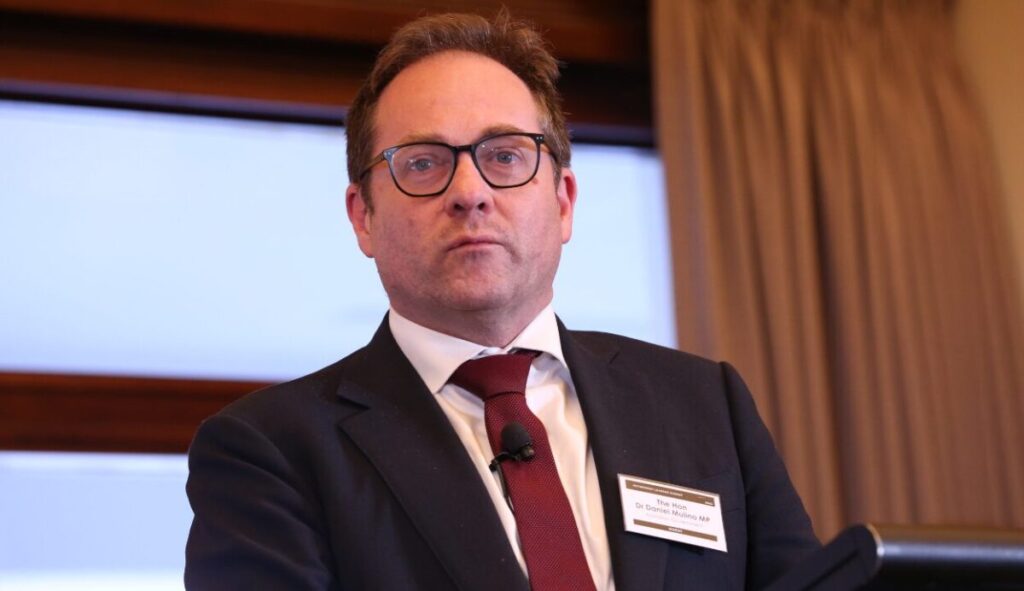

Minister for Financial Services Daniel Mulino has concerns about legislating the new class of adviser and continuing the Delivering Better Financial Outcomes due to the Shield and First Guardian collapse.
Mulino told the chairs of the country’s major super funds that one of the key priorities in his portfolio this year was the response to the $1 billion collapse.
“In the post-Shield and First Guardian world, I do think it is important that we move forward carefully when it comes to, for example, creating a new class of adviser,” he told the Chair Forum, hosted by Professional Planner sister publication Investment Magazine.
“At the moment, we are about to start a process of examining how we can recalibrate some areas of consumer protection because of the impact it has on thousands of individuals and our compensation arrangements.”
The proposed new class of adviser was originally expected to only apply to larger institutions, but the provision for licensees to be included in the regime was added to gain the support of the retail advice sector.
“We really need to reduce the likelihood of these major collapses and I do need to look at the ways in which creating a new class of adviser might relate to that,” Mulino said.
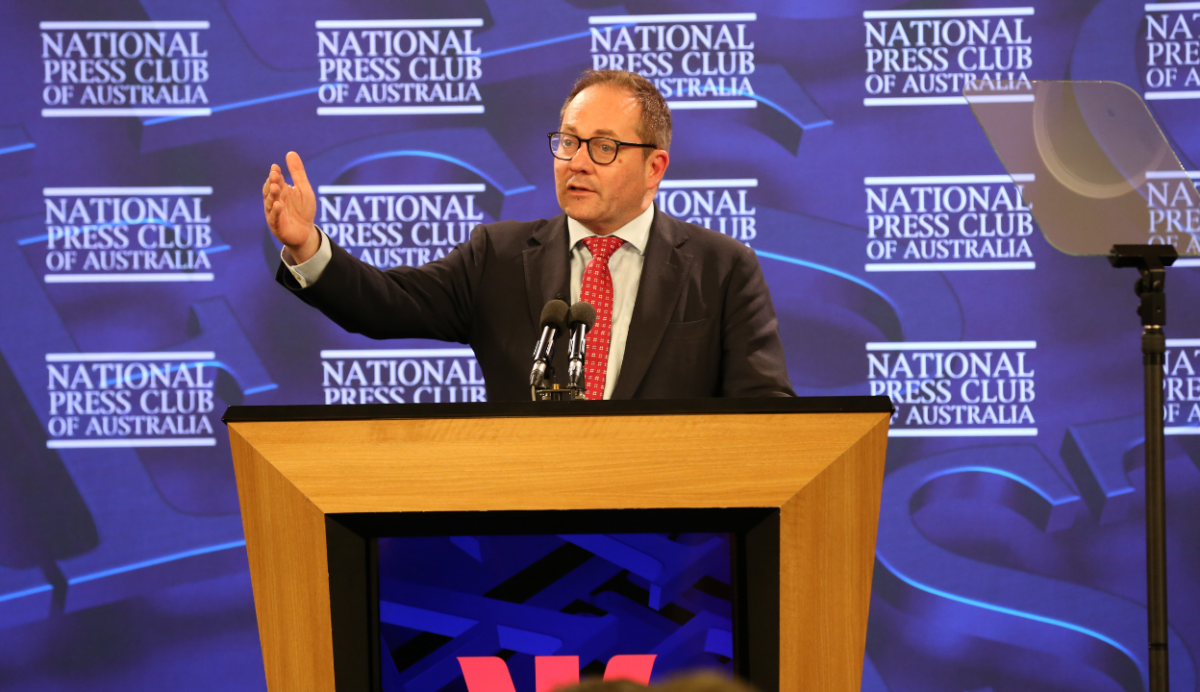
The speech at Chair Forum comes ahead of a Q&A session at the Professional Planner Advice Policy Summit in Canberra on 23-24 February.
Part of the draft legislation for Tranche 2 of the DBFO was released before the election last year.
Despite assurances that the rest of the bill would come in 2025, Mulino stepped back from that commitment before conceding the aftermath of the Shield and First Guardian collapse has stalled the reforms.
“I don’t want get into particular timing commitments when it comes to that,” Mulino said at the forum, when pushed on whether DBFO draft legislation was still on the table for 2026.
“There are just so many considerations when it comes to legislation. I do remain committed to the broader policy rationale.”
Mulino told the forum that DBFO has been complex and required significant drafting but that it’s “fair to say that drafting considerations across my portfolio are stretched”. Treasury revealed last year they had not been given any timeframe to complete the DBFO reforms.
“I remain committed to moving forward on this, but it’sa more complex environment than it was six or 12 months ago as we’re grappling with some of the consumer protection reforms more broadly,” Mulino said.
“But I’m confident we can move all of these different things together. We just need to consider how they interact with each other.”
The new class of adviser and the introduction of “nudges” in Tranche 2 of the DBFO were expected to help APRA-regulated funds not only deliver more advice to members but also help them fulfill their obligations under the Retirement Income Covenant.
Mulino sought to reassure the chairs that he was aware that helping funds deliver advice was important and that “constructive work” across all facets of the financial services ecosystem has helped generate some consensus for the reforms.
“DBFO is a material issue, and it is important that I acknowledge the importance of this and that I remain committed to moving forward in relation to ensuring that… consumers are able to receive appropriate guidance or advice which at the moment they’re not able to.
“There are many situations where members of super funds would benefit from guidance. At the moment the rules in relation to the provision of personal advice mean that it’s impossible to receive that.”
Mulino announced policy solutions last year to address the Shield and First Guardian collapse and told the forum that discussion papers for managed investment scheme reform and regulation, as well as CSLR reform, will be released on the near future.
“There’s going to be a very extensive consultation period over the coming months, this is real priority area for me,” Mulino said.
Other reforms included in that suite of proposed reforms were licensing requirements for lead generators, more scrutiny of advice fees and “cooling off” periods for super switching.
The government has already launched a consultation on professional indemnity insurance and the CSLR which Mulino said he doesn’t think “will be a silver bullet, but [is] worth examining”.
Mulino acknowledged that while advice played a key part in the Shield and First Guardian collapse, there were other elements that had evaded regulatory scrutiny.
“Comparison websites, call centres, lead generators – that’s an area which hasn’t achieved a great of attention,” Mulino said.
“One of the issues that has been flagged for consideration is whether some aspects of the supply chain… whether they should be required to hold an AFSL.”
Minister for Financial Services Daniel Mulino will be speaking at the Professional Planner Advice Policy Summit on 23-24 February in Canberra. Advisers, practice principals and licensee executives are eligible to attend and can register here.















Leave a Comment
You must be logged in to post a comment.