
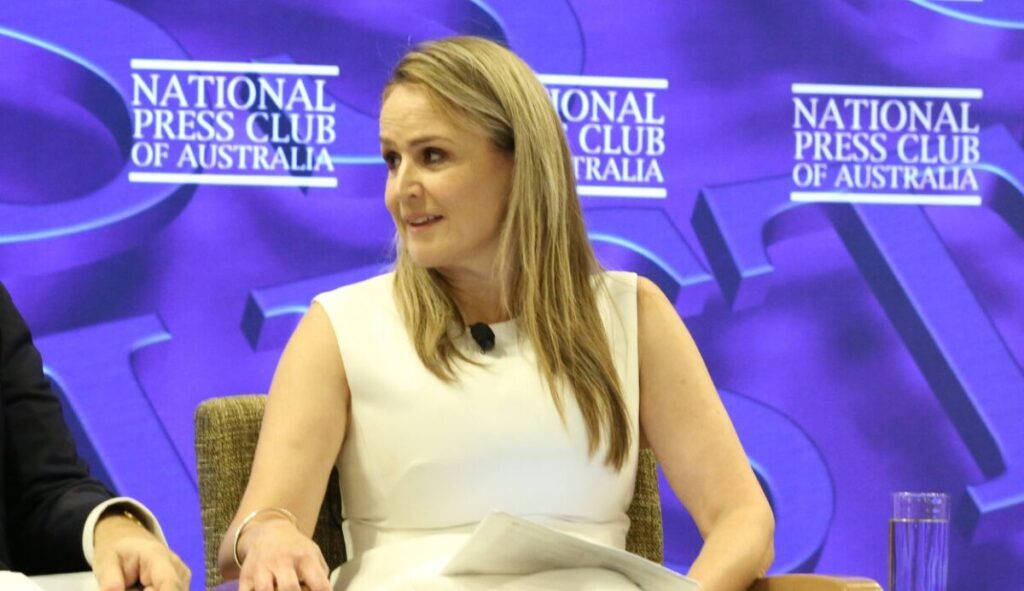

Super Members Council, the lobby group for the major industry funds, has called for policy change amid an “alarming” rise of superannuation switching.
Data released by the SMC on Thursday said that recent switching activity from “mainstream, high-performing, tightly regulated funds” to platform products and SMSFs has increased 17 per cent over the past year from the usual churn rate of 5 per cent.
The SMC said that seven in 10 members switching did not have a pre-existing advice relationship, which the association believes “could potentially” be driven by social media ads, lead generation or third-party influences and not by long-term financial planning in their best financial interests.
“Healthy competition and choice are long-term features of Australia’s super system, but that is not what appears to be occurring here,” Super Members Council CEO Misha Schubert said.
“Alarm bells should be ringing loudly for both regulators and policymakers if a surge into riskier super products is making Australians with lower super balances poorer – and especially if there’s a risk that any predatory operators could be driving it.”
SMC analysis of five large profit-to-member funds examined outward rollovers to complex platform-based funds, which it says “typically have significant external advice fees”.
The association’s analysis claimed that members switching to platform based super funds and SMSFs face over $160 million extra in fees and costs per year compared to if they had stayed with an industry fund.
It also said that younger, lower balance members (under $200,000) are more likely to switch than pre-retirees, with about half of switches coming from members under 45 years old.
The report comes days after Schubert appeared at the Professional Planner Advice Policy Summit to call for higher standards of consumer protections in advice and super.
“I have talked a bit in the public square about the importance of us trying to shut and bolt the door to consumer harm for all time and I mean it,” Schubert told the summit on Monday.
“This is a really reflective moment for the system architecture as a whole to think about in whatever role we play, how do we close that role to harm and how do we make sure these sorts of things can never happen again.”
Minister for Financial Services Daniel Mulino told the summit that more consumer protections were coming which had been teased late last year.
But while Shield and First Guardian has been used as a cautionary tale by the industry funds as to why consumers shouldn’t leave the profit-to-member sector, research from The Conexus Institute* showed the commercial realities for industry funds.
The Institute’s 2026 State of Super report found that competitive growth prospects for the industry funds are becoming more challenged as competition from retail platforms – particularly HUB24 and Netwealth – grows.
CoreData Research found 70 per cent of super switches are driven by advisers, with service being a key reason for the switch.
Investment Trends’ latest platform benchmarking report, released on Thursday morning, found that HUB24 and Netwealth continued to rate highest for adviser satisfaction due to the quality of services and features.
HUB24 managing director Andrew Alcock told the Advice Policy Summit this week that it’s important that any consumer protection reforms don’t impact choice.
“Choice leads to engagement, it leads to ownership, it leads to active decision making required for citizens in our nation to be able to maximise the value of their retirement savings out of this great system,” Alcock said.
“We need both systems – we need a default or a standard – we also need choice. It’s the backbone of a democracy, it’s backbone of our type of society. It creates innovation and competition.”
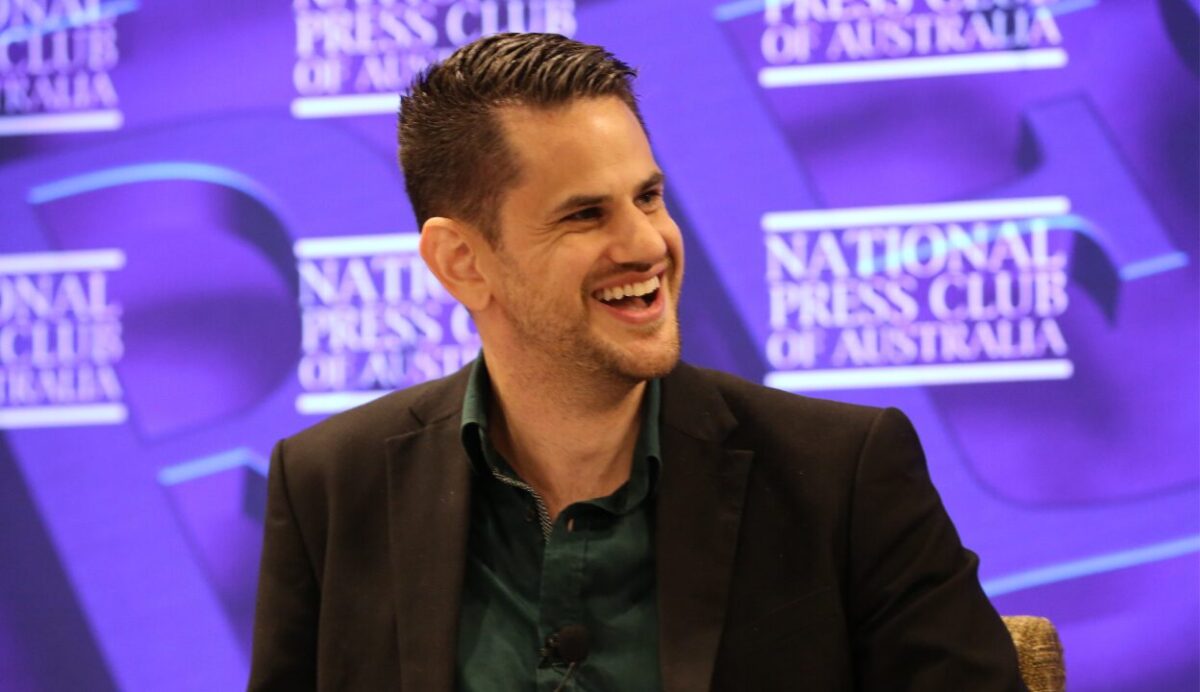
Netwealth managing director Matt Heine also told the summit that despite the company’s setback in the First Guardian collapse, they are committed to continually uplifting processes.
“There’s a lot of work that’s being undertaken to make sure that in a choice environment – and we are totally committed to choice – that the appropriate scaffolding and framework is in place to make sure that the advisers and the advice firms that we work with can access the best products for their consumers and deliver the outcomes that they’re all looking for,” Heine said.
The Financial Services Council, whose membership includes the major adviser platforms, declined to comment.
Industry response
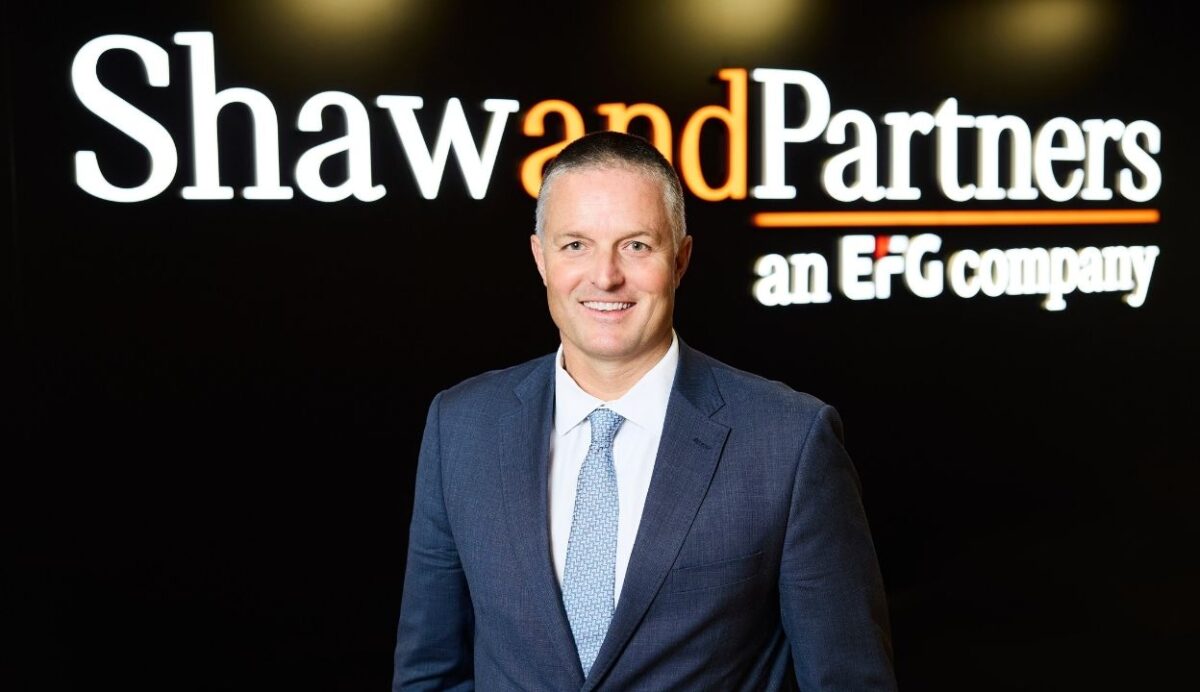
WT Financial Group founder and managing director Keith Cullen told Professional Planner it’s impossible to entirely remove risk from a trillion-dollar system but that it can be managed with proper underwriting for when things go wrong and that’s where the policy focus should be.
“Layering more legislation on top doesn’t fix misconduct,” Cullen said. “Enforcement and supervision do.”
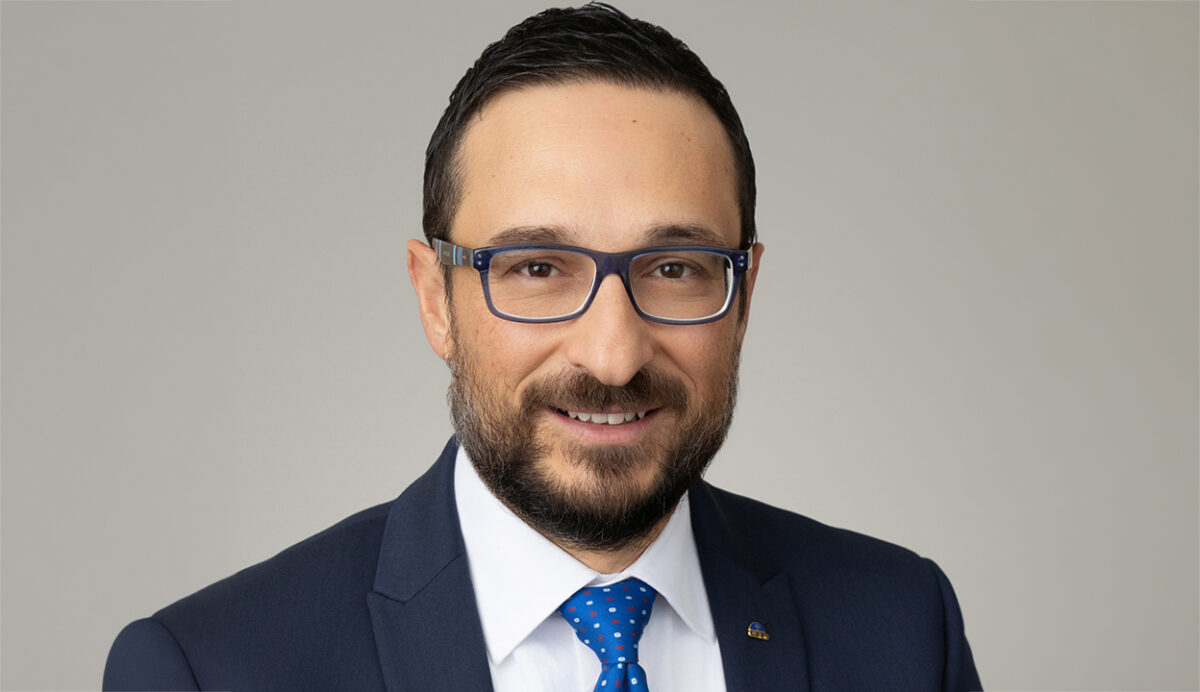
Infocus founder and managing director Darren Steinhardt said that it was important to consider what separates a “member” from a “client” and why personalised service can be a driver for leaving a super fund.
“I do agree that there needs to be things that happen within that ecosystem that protects consumers, but it’s also got to not take away choice from consumers,” Steinhardt said.
“But what I do despise seeing is where people are sold on a self-managed super fund to fund an off the plan property that they couldn’t afford if they’re doing it by themselves. The inappropriate superannuation switching has been disgraceful.”
Financial Advice Association Australia chief executive Sarah Abood said there wasn’t anything “diabolical” in the comments from the SMC but said there should be research to understand what is driving the switching behaviour.
APT Wealth CEO and adviser Andrew Dunbar said that choice in superannuation isn’t the problem, poor governance is and Australians are attracted to greater control and input over their retirement savings.
“That is a positive trend, and competition is essential to keeping the system accountable,” Dunbar said.
“The focus should be on better safeguards, monitoring and education, not reducing consumer choice. It is critical for all elements of the ecosystem, from ASIC, to funds, to platforms, and advisers to take responsibility for their area and do their part to prevent these failures. In the case of Shield and First Guardian, all of them failed.”
Wealthadvice principal Marisa Broome said that for a lot of younger people with lower balances who can’t get advice that are susceptible to high-pressure sales tactics.
“There are a lot of people who are not being well-served by the existing super system and therefore go looking for better – in their mind – alternatives and they’re easily influenced by lead generation and not advisers in this case,” Broome said.
More4Life Financial Services financial adviser James Walker-Powell said the “elephant in the room” is the way some funds, particularly industry funds, are being positioned versus how they are actually invested.
“It’s not uncommon to see a ‘balanced’ option within the industry fund network holding close to 90 per cent growth assets, despite the industry accepted definition sitting closer to 50–60 per cent growth,” Walker-Powell said.
“Let’s address this core issue first, as it’s a significant driver of member misunderstanding and risk misalignment. Once we’ve clarified that piece, the industry can dig further into any additional areas such as lead generation tactics.”
‘Dodgy advisers’
Schubert previously received significant heat from the advice profession or “dodgy adviser” comments she later apologised for.
“Dodgy advisers are using clickbait-style social media posts, cold calls and high-pressure tactics to convince people to change super funds,” Schubert told The Australian newspaper in June 2024.
“Super fund members are then charged a massive advice fee and plonked into a poorer performing super product. This predatory practice needs to end.”
The comments came in the early days of the Shield and First Guardian scandal at a time when ASIC had taken action against the funds but when the extent of the misconduct was yet to be revealed.
Schubert’s comments at the time coincided with an ASIC report into cold calling and high-pressure tactics leading to super switching.




















Leave a Comment
You must be logged in to post a comment.