
The Australian Financial Complaints Authority has made it clear that InterPrac Financial Planning’s attempts to direct consumer complaints is a clear conflict of interest.
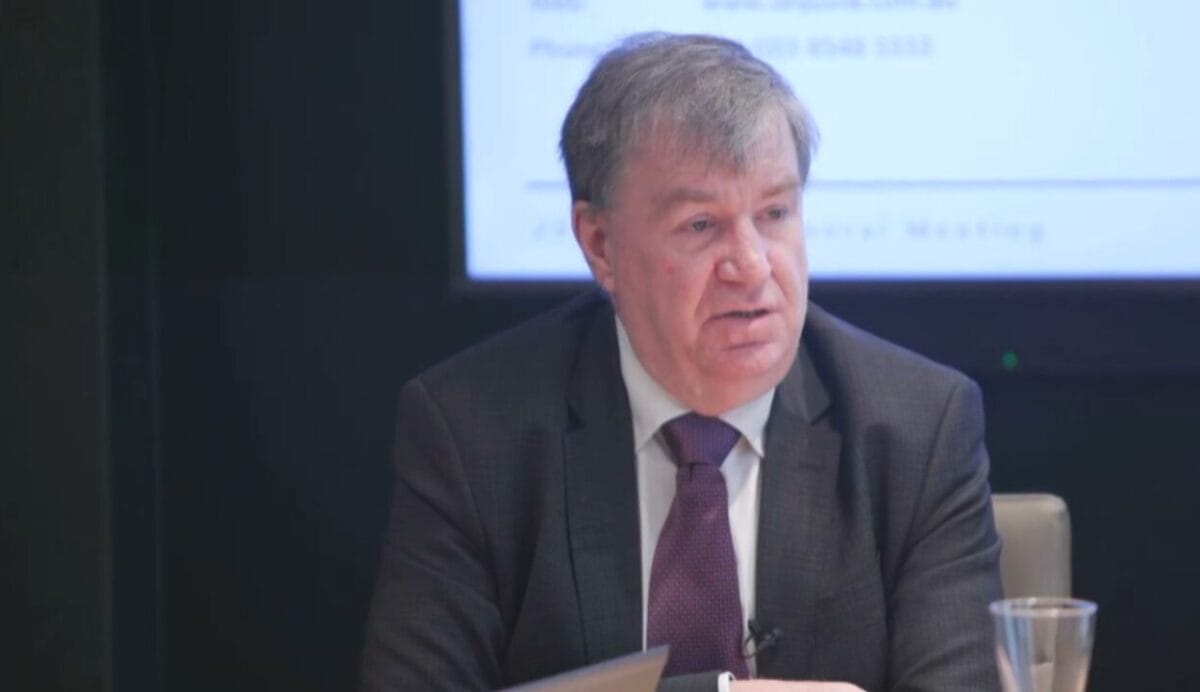
In a webinar dedicated to victims of the $1.2 billion collapse of the Shield and First Guardian master funds, AFCA lead ombudsman for investments and advice Shail Singh responded to a question from an investor who said InterPrac had told them to submit a complaint against Macquarie.
The investor had originally made a complaint to InterPrac about lost earnings from the investment choice, but InterPrac “suggested’ they submit a complaint against Macquarie as well, despite having being remediated for their initial investment.
“Macquarie has paid out a number of consumers that we’re aware of and there is still potentially a claim people will have based on their position had they not received the inappropriate advice,” Singh said.
“That claim is properly directed against the advice firm. The difficulty is if the advice firm is then giving you advice on who to complain about then there is a clear conflict of interest in what they’re doing and they shouldn’t be doing that.”
The Australian reported earlier this week that InterPrac was allegedly handing out “cookie cutter” complaints for victims to lodge against the trustees involved.
However, this was denied by an InterPrac spokesperson when asked by Professional Planner.
“InterPrac notes that it has assisted only a very small number of members to navigate the AFCA path toward compensation,” the InterPrac spokesperson said.
“No program of standard letters exists. There are considerable technical issues around lodging such a complaint.”
AFCA hosted yesterday’s webinar to help the 11,000 clients caught up in the collapse of the two funds navigate the external dispute resolution service.
AFCA head of operational delivery for investments and advice, Tim Goss, said the complaints authority has had to expand its team due to high demand and complex nature of the disputes.
“We understand this is a very stressful time and that many people are anxious to know if they’ll receive compensation, but it can take time for you case to be allocated to a caseworker for investigation,” Goss said.
Complaints are generally processed in the order they are received, some are expedited under certain circumstances such as a terminal illness or exceptional financial hardship for the complainant.
“We acknowledge that some consumers are still waiting for their complaint to be allocated to a caseworker and we understand how frustrating these delays can be,” Goss said.
“We’re experienced longer than usual wait times due to a significant and sudden increase in complaints about these matters.”
Goss said that when it comes to complaints directly against the Shield and First Guardian responsible entities AFCA has to consider whether there is any mechanism at the end of the process for compensation, noting both funds are in liquidation and illegible for the Compensation Scheme of Last Resort as they are managed investment schemes. However, there would still be recourse by making a complaint against the provider of the advice.
The webinar coincided with AFCA revealing complaints against advisers and financial advice firms are up 18 per cent from last financial year.
Complaints about SMSF advice “significantly” increased by 95 per cent and “failure to act in the client’s best interest” complaints increased by a concerning 124 per cent.
AFCA hosted the webinar on Thursday afternoon – later available on demand for Shield and First Guardian investors – about how to navigate the complaints process.
The deadline for complaints against Next Generation Advisory and United Global Capital was recently extended after AFCA’s board determined that investors hadn’t been given enough time to make a complaint.