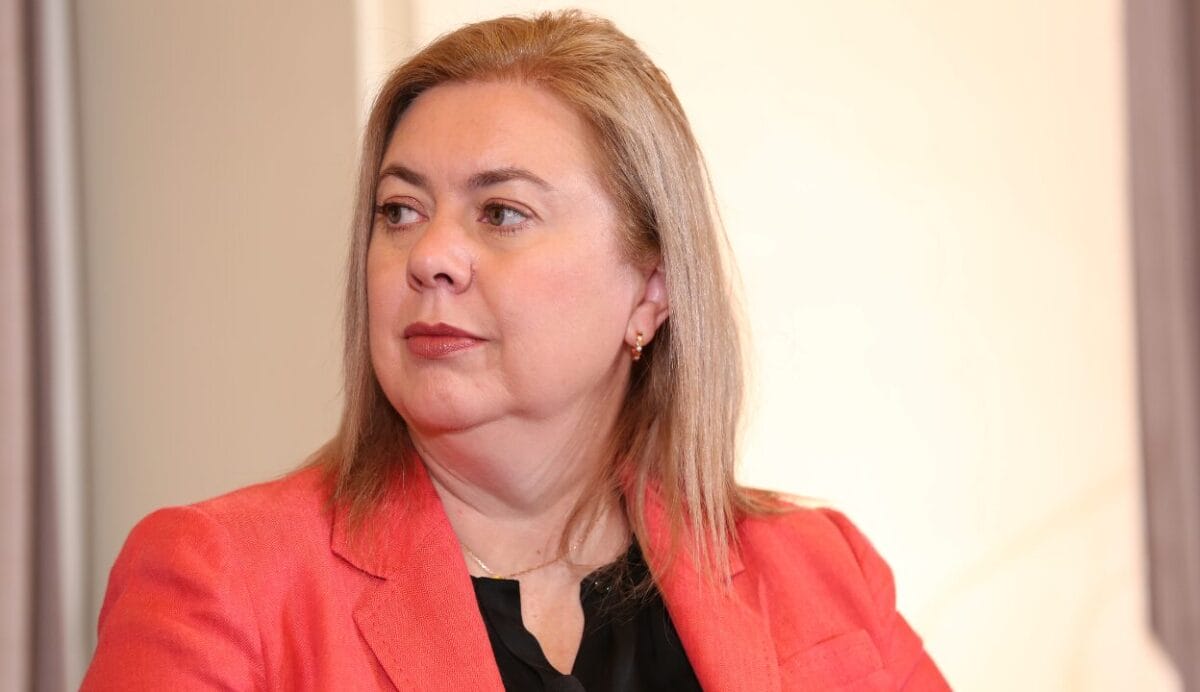

The Financial Advice Association of Australia chief executive Sarah Abood says the advice profession was at the “forefront” of exposing the failures of Shield and First Guardian, amidst criticism the industry looked the other way.
Abood used a LinkedIn post on Friday evening to criticise an article in The Australian that suggested the entire financial planning industry “looked the other way” while these funds grew.
“In fact, the financial planning profession has been at the forefront of exposing these failures, and is currently engaged in supporting the victims,” Abood said.
“Under current laws, financial planners who had nothing to do the with these failures, will most likely be the ones who ensure consumers receive compensation.”
ASIC acted against both funds after concerns with conflicts of interests over investments in the fund and high-pressure sales tactics used to gain clients via advisers.
Telemarketing lead generators referred potential clients to advisers who rolled them out of their existing super fund, with ASIC alleging they were put into higher risk products that were not in client best interests.
But Abood said that to suggest the financial planning profession was responsible for the failures of Shield and First Guardian is incorrect.
“Apart from the obvious point that it’s the arrangers and operators of these products who are the most to blame, financial advisers were among the first to blow the whistle on these schemes,” Abood says
“In cases that we are aware of, advisers saw and were horrified by advice they had been asked to review as a second opinion – and reported the entities involved to ASIC.”
Abood said there is 1700 licensees and 15,300 advisers and the vast majority run excellent and compliance small businesses.
“Great financial advice has become an essential service in our highly complex financial system, one that’s become almost impossible to navigate for anyone who isn’t an expert,” Abood said.
“It’s incredibly disheartening for these capable professionals to be tarred with the same brush as the tiny minority who have broken the law.”
Since its investigation has commenced, ASIC has also been critical of the due diligence role the platforms played.
Some clients of Venture Egg, one of the advice firms that referred clients into Shield and First Guardian, have been referred to Infocus after platforms switched off advice fees.
Shield and First Guardian further compounds the issues with the CSLR that has since ballooned to a $67 million industry levy in FY26 and a currently estimated $123 million for FY27.
“This important scheme is under threat, because the funding mechanism is deeply flawed,” Abood said.
“It is paid for by financial advisers who have done nothing wrong, yet nevertheless must compensate the clients of those who’ve broken the law. Wrongdoers who have in many cases avoided their responsibilities by embezzling money, phoenixing subsidiary entities, and siphoning money offshore.”
Abood was also critical of the role product played in consumer loss, particularly that part of the financial services industry makes no further contributions to the CSLR.
“There aren’t many financial advisers left, and our numbers are falling – at 15,300 we are down 47 [per cent] on the peak numbers in 2019,” Abood said.
“This means, among other things, that each year there are fewer advisers left to fund consumer compensation.”
She also raised concerns about Brite Advisors, an overseas pension transfer company whose AFSL was cancelled by ASIC in April, as another looming failure on the way to the CSLR.
ASIC commenced action against Brite because the firm failed to lodge financial statements and auditor’s report for FY22 to ASIC, and unpaid AFCA determination has since gone to the CSLR with over 600 still in front of the complaints authority.
The CSLR said in its FY26 levy estimate that Brite managed as much as $1 billion of client money.
“Coupled with Shield and First Guardian, that’s the potential for almost $2 billion in compensation required,” Abood said.
Individual claims that head to the CSLR are capped at $150,000.