
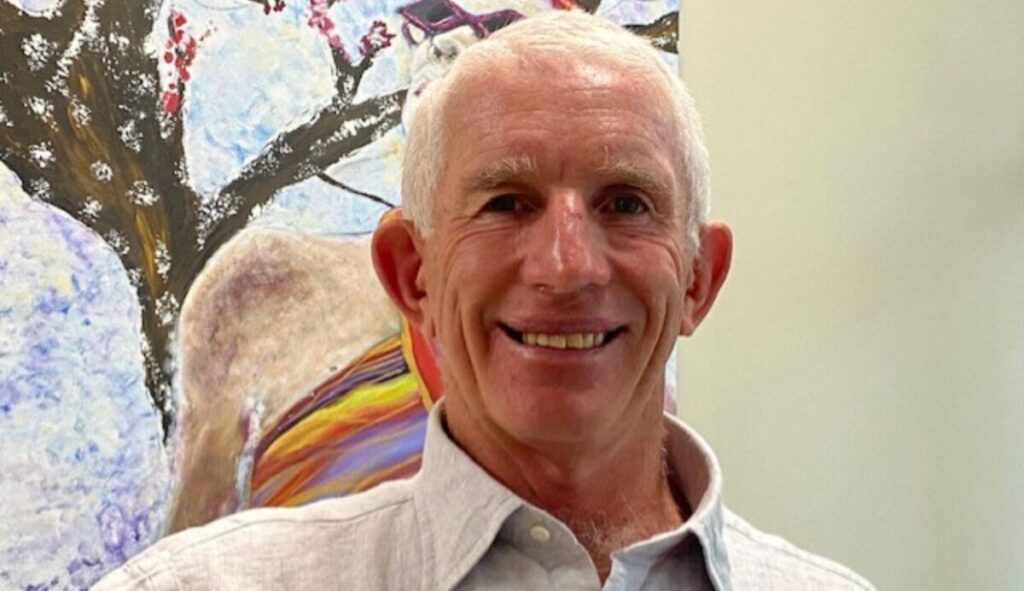

Tired of financial advice being a low political priority, financial adviser James Walker-Powell will put up his hand to run in the next federal election.
While he admits he is a long shot to win at the next election, likely in early 2025, he hopes his campaign will drive interest and engagement by regular advisers with politics.
If he’s lucky and can win a seat, it may even go as far as giving the advice sector the balance of power in parliament.
The slow pace of regulatory relief flowing from the Quality of Advice Review, along with the increasing burden of government levies, meant Walker-Powell wanted to help lobby for his small business peers.
“It’s just completely unjust,” Walker-Powell tells Professional Planner. “When you describe it to someone who wants to listen, it’s pretty damning.”
The resident of Sydney’s northern beaches – which is also home to his practice More4Life Financial Services – will run against ‘teal’ independent Zali Steggall, who defeated former Prime Minister Tony Abbott in the 2019 election.
Defeating Steggall is a big ask for an adviser with limited political experience; Steggall won the seat with an 18 per cent swing against the Liberals and she cruised to victory over Katherine Deves in 2022.
One of the turning points for Walker-Powell was a conversation with Nine journalist Nick McKenzie, the investigate reporter who has been a crucial lead in news reports about corruption in the CFMEU.
After pitching the issue the profession had with paying a levy to fund the Compensation Scheme of Last Resort to McKenzie, essentially paying for the misconduct of unrelated parties, the feedback he received was that the topic would be of little interest to mainstream Australians.
“He said it’s a good story, but no one really cares about financial advisers,” Walker-Powell says.
“That’s your problem. They see you as someone making money and no one cares, but they do care about small business. That’s the angle I’m taking.”
Walker-Powell will run for Democracy First, a fringe party that currently has no seats in either house in Federal Parliament. He says he was impressed with one of the party’s leadership group members, Vern Hughes.
“He’s fairly sensible in my eyes and I got to talking to him,” Walker-Powell says.
“I told him I agree with him 85 to 90 per cent of the time, there’s 10 or 15 per cent I don’t agree with, and he said that’s fine.”
Walker-Powell argues financial advisers paying the CSLR levy is akin to levying builders to compensate for failed developments like the Opal Tower and Mascot Tower in Sydney, which generated national news attention for several years for leaving mortgage holders with no recourse after the buildings were deemed unsafe to live in.
But he says the profession needs to step back and rather than talking about financial advisers, talk about what financial planners do for the economy and the average person.
“We aspire and help people to do the best they can to become financially independent and also provide safeguards if things go wrong, with respect to death or disability,” Walker-Powell says.
“If there’s less people doing that, there’s going to be less people being financially independent. It’s not so much ‘poor financial planners’, it’s going back to what we bring to the table and if you’re going to deny people having an independent retirement… what type of government are you?”




















Leave a Comment
You must be logged in to post a comment.