


It’s a difficult time to be a business or practice development manager. Research suggests almost two-thirds of PDMs and BDMs are so frustrated in their current roles that they’re ready to switch to other jobs.
Business Health’s ‘Business Ready IV’ whitepaper, to be released this week, reveals what it calls “a potentially alarming level of discontent” among PDMs and BDMs. It defines a PDM as a manager who works on behalf of a licensee, and a BDM as a manager with an institutional employer.
It has found eight in 10 (81 per cent) of PDMs and BDMs (collectively, “managers”) have seen their workloads increase, but their compensation remains unchanged.
While 64 per cent of mangers say they’re looking for a change in role or responsibilities, only 45 per cent say they’ve already been directly approached by a competitor.
But even for this cohort, the Business Health report sounds a potential warning: discontent is so widespread, the grass may not necessarily be greener, and switching to a role as a manager with another licensee or institution might not address the fundamental problem.
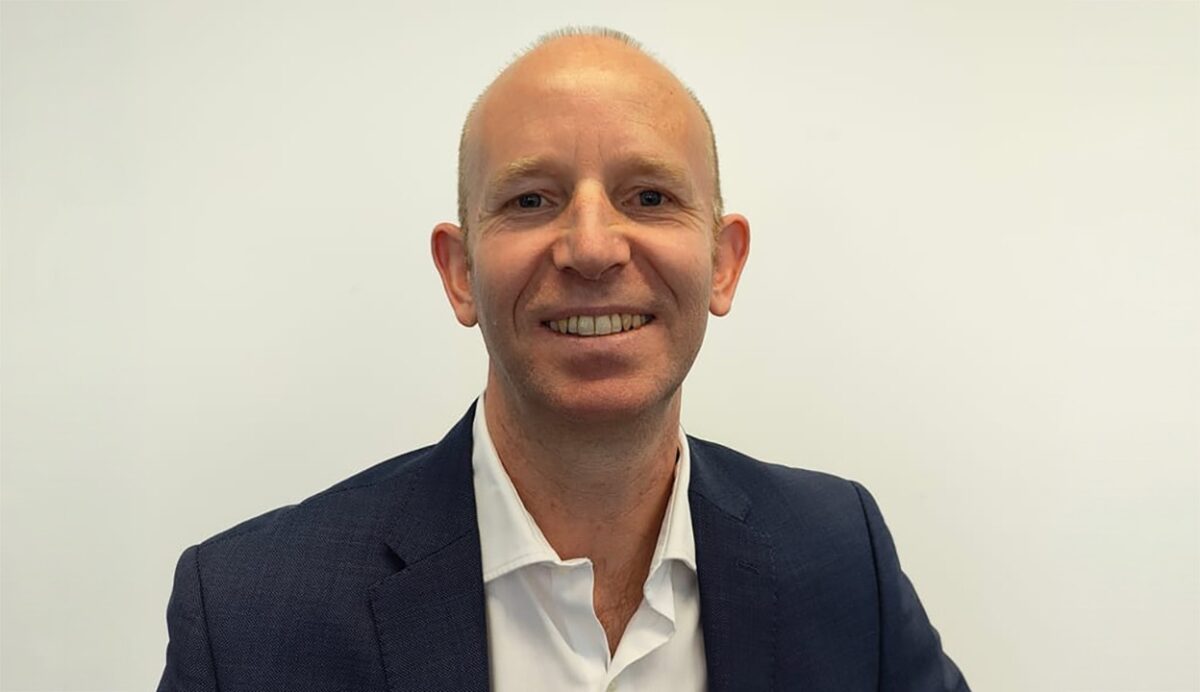
“That was reflected when we drill down a little bit to what what’s your next move look like?” Business Health partner Rod Bertino tells Professional Planner.
“A significant amount said it was for a senior management role. But will there be the senior management roles for these experienced BDMs to move into as their next step? The industry is contracting still; there’s aggregation. The roles may not be there, the number of roles might not be there, for these people to move into.”
Bertino says the research shows managers are collectively being asked to do much more, with much less.
“They’re working really hard,” he says. “All of them want to add real, tangible, meaningful value. But they don’t always have the tools.”
Where managers are ill-equipped by their employers to meet the needs and expectations of managers, there’s a fair level of improvisation, Bertino says.
“In the absence of any company- or licensee-supplied tools, they’re either developing their own, or they’re sourcing their own, because they do have a real desire to add value,” Bertino says.
“Most of them know what to do, so if they haven’t got what they think they need, they go about getting it. But that leads to inconsistent delivery, because then it becomes person dependent. There’s a few flaws in that and they’ve got to work harder than perhaps they should to get the same result.”
The Business Health report finds managers are working harder than ever before, but even if they are overworked, they’re not exactly underpaid. The average annual income for a manager exceeds $300,000, made up of an average base salary of $275,000 a year and annual bonus of $32,500.

“Manager remuneration has remained largely unchanged over the past 12 months with the majority (63 per cent) paid a base annual salary of between $200,001 and $350,000,” the report will show.
“At the extremes, no managers were paid below $100,000 per annum, and 9 per cent were paid more than $350,000.”
The report notes that experience pays: all managers paid more than $350,000 had been in the job for 10 years or more. But the more the manager is paid, the greater the demands placed on them to be productive.
“What they’re doing becomes critically important for the employer to get maximum return on that investment, because they are an expensive resource,” Bertino says.
“Managers told us that generally they think they’re spending too much time on administrative tasks. You don’t pay $300,000 a year to someone to work on admin tasks and that’s no disrespect to admin.”
Bertino says it’s tempting to paint a bleak picture of the BDM and PDM landscape, and to an extent the data in the whitepaper supports that view. But Bertino says it masks the fact that most managers are deeply committed to supporting the advisers they serve, and the frustration and discontent they’re expressing stems from the environment they work in, principally caused by their employers.
“These people are committed,” Bertino says.
“And they genuinely want to add value to the advisers they’re working with, either as a BDM or a PDM. I think there was a real genuine desire to add value. But there is a frustration that they can’t always do that to the level they want to, because they are spread too thin, might not have the tools [and are] being asked to do more with less.”
Bertino says that to some extent the results of the most recent research continue a trend that surfaced in earlier iterations of the Business Ready research.
“But I was surprised at the level of discontent – or ‘frustration’ is probably a better word,” he says.
“Maybe I’m looking at things through rose-colored glasses, but I tie that back to their desire to make a difference, their desire to add value. They want to do a really good job. But for whatever reason, they’re not able to do it to the level they want. That’s manifesting itself in some frustration and discontent and questioning where their future lies.”




















Leave a Comment
You must be logged in to post a comment.