


The Australian Law Reform Commission’s revelation that pulling Chapter 7 out of the Corporations Act is “on the table” as part of its review into financial services regulation could lead to an unwinding of the advice licensing system as we know it.
If the commission is looking at repositioning Chapter 7, it’s likely to do a robust analysis of whether the licensing regime within it is best placed to serve the system for years to come.
The ALRC will also be aware that between now and 2023 – when its final report is due – the regulatory framework for advice is due to undergo significant upheaval.
Headlining the changes will be the wind-up of FASEA, with its role divided up between Treasury and ASIC’s Financial Services and Credit Panel, which will become the industry’s new Single Disciplinary Body.
According to the Financial Planning Association, this alone should serve as a catalyst to introduce individual adviser registration. On Tuesday the FPA said a “professional registration system” for advisers is the “missing piece to the puzzle”.
“The FPA strongly supports a model in which registration is the personal responsibility of each financial planner and is not connected with their employment or authorisation under an AFSL,” chief executive Dante De Gori stated.
The heart of the problem
While the FPA sees the Single Disciplinary Body’s advent as a catalyst for individual adviser registration, the ALRC has a broader mandate – to review the entire legislative framework for financial service regulation, with the aim of identifying any “potential simplification of laws”.
Advice will be a focal point. In the ALRC’s January interim report all five industry examples given related to financial advice, prompting the commission’s special counsel Andrew Godwin to reveal the advice industry will take “certain prominence” in the review.
If the ALRC is to go as far as canvassing whether Chapter 7 should be ripped out of the Corporations Act, as it said on Tuesday, the Act’s core element – licensing – will surely come under the microscope.
To unravel what Financial Services minister Jane Hume coined the “Gordian knot” of advice regulation, the ALRC may well take a first principals approach and decide that if the AFSL system is the core issue, any recommendations that don’t start with its repeal would just paper over the cracks.
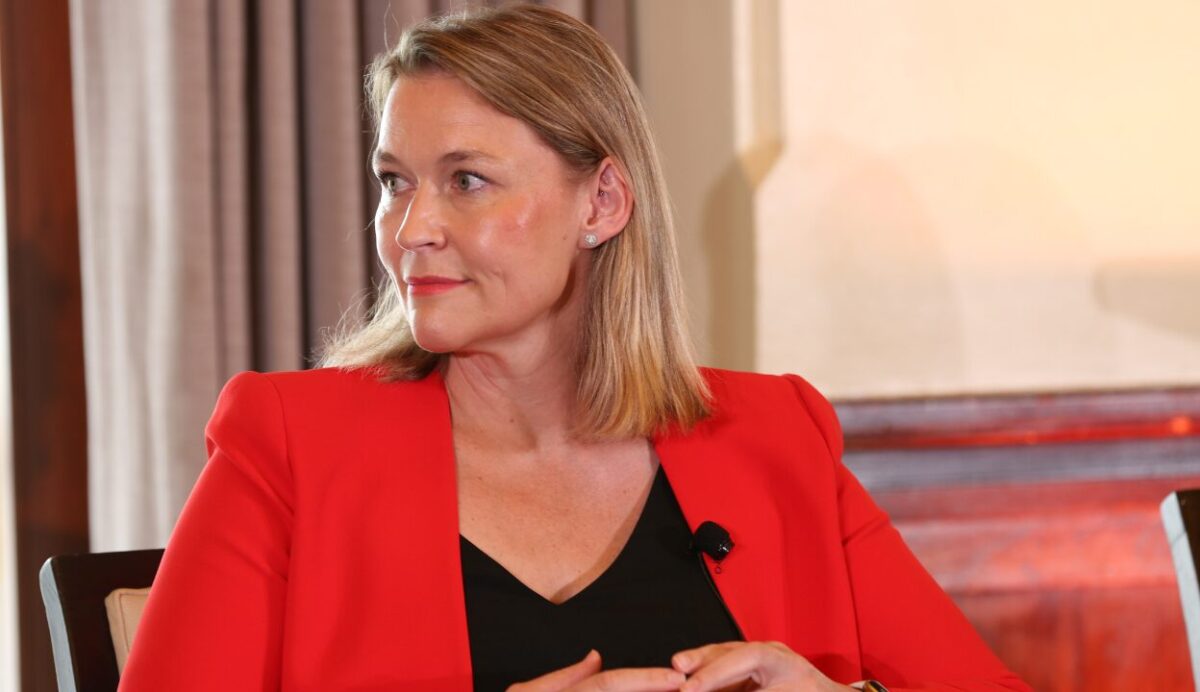
“If chapter 7 is going to come out it won’t be just lifted out as is,” says Kerry Thomas, head of governance at licensee Madison Financial.
“Nothing’s off the table for the ALRC review. The terms of scope include looking at the structure of the legislation across all of Chapter 7, so [the ALRC] could definitely recommend changes to the AFSL system.”
Licensee perspective
The concept of individual adviser registration hinges on attaching responsibility to the individual adviser and eliminating what some see as an unnecessary middle layer between advisers and regulators.
The FPA has long advocated the idea, most notably in its submission to the Hayne royal commission, but it wasn’t until the association included it in its 2020 policy platform and drew the ire of fee-paying licensees that the idea gained prominence.
Opponents of the concept, including these licensees, point out the “education, risk mitigation, compliance, consumer best interest measures and commercial support” dealer groups provide.
Many licensees now offer these services sans licensing, however, to the burgeoning self-licensed advice community. A path to an alternative, post-licensing business model for these groups is already paved.
“If there are changes to the licensee system that doesn’t mean there’s no role for those organisations to play,” Thomas says.
Getting buy-in
If the ALRC recommends unwinding the AFSL system, that doesn’t guarantee it will gain the necessary support to be implemented.
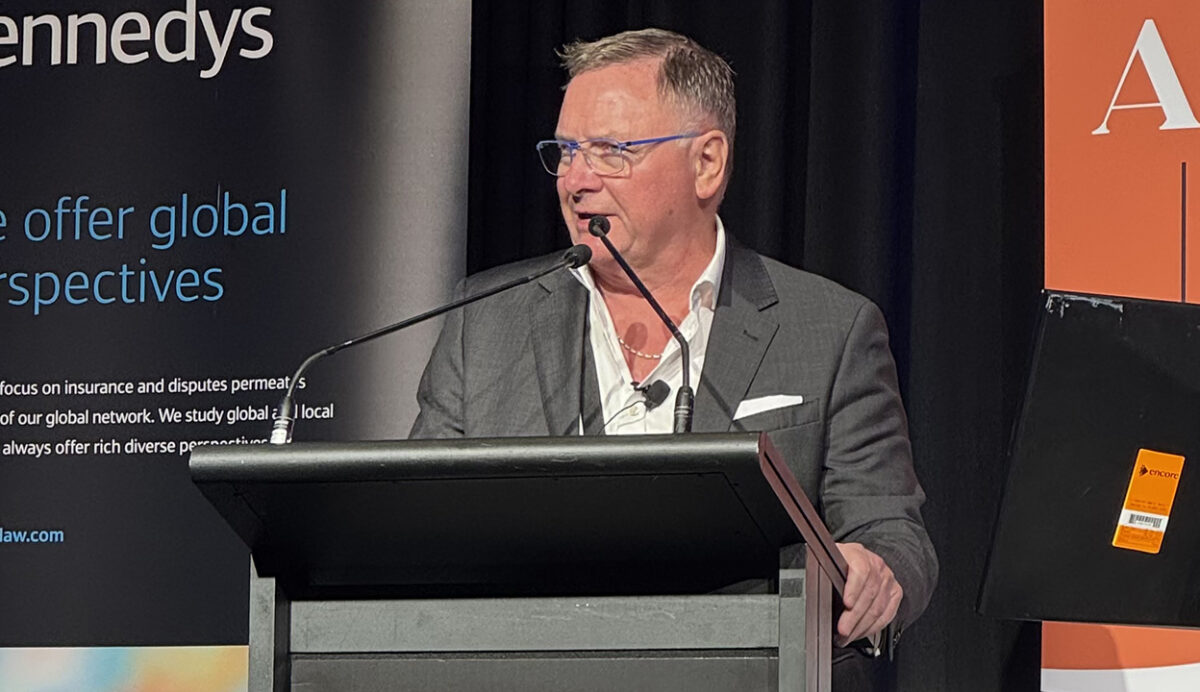
“It’s an opportunity but it would also require stakeholders to get on board, including the government and ASIC,” says Encore Advisory director Tom Reddacliff. “That’s the element I would probably have doubt on.”
ASIC could baulk at the prospect of regulating 20,000 individual advisers, he adds, without the tech solutions in place to make it workable.
“They can’t do it manually, it would require a significant data strategy,” he says.
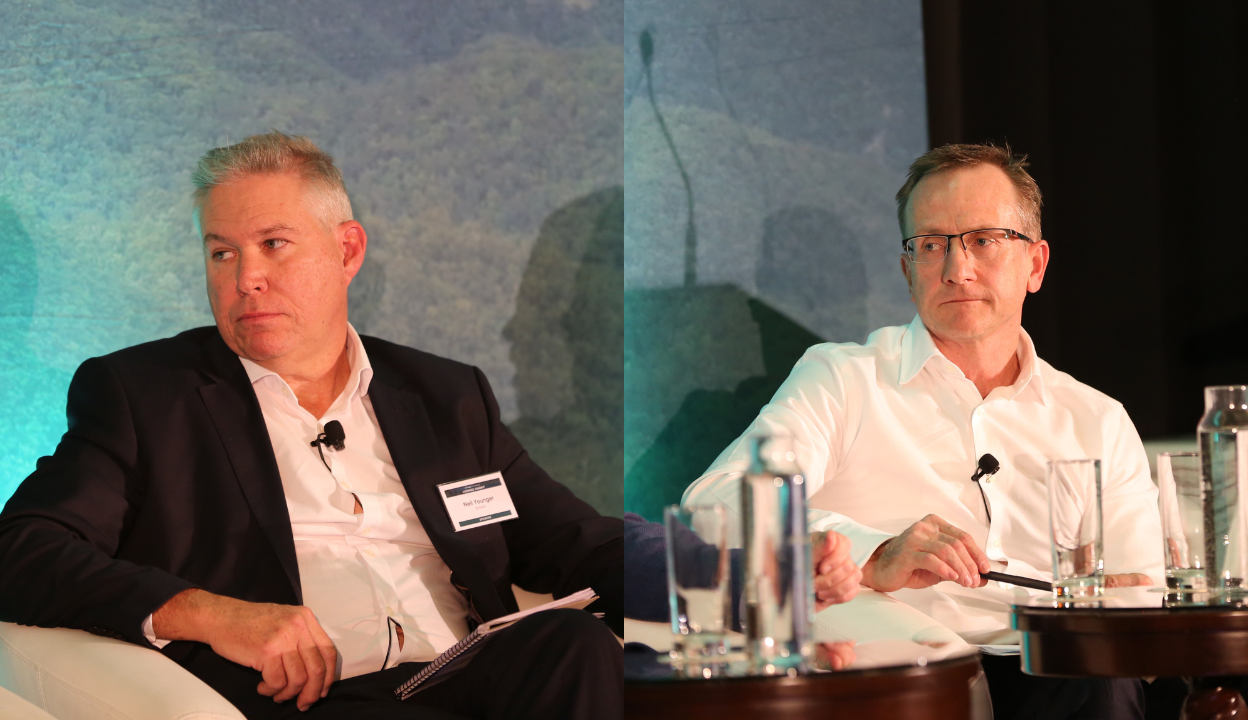
Reddacliff, along with Madison’s Thomas, will appear on a panel at Professional Planner‘s 2021 Licensee Summit on June 7 in Katoomba.
















Leave a Comment
You must be logged in to post a comment.