
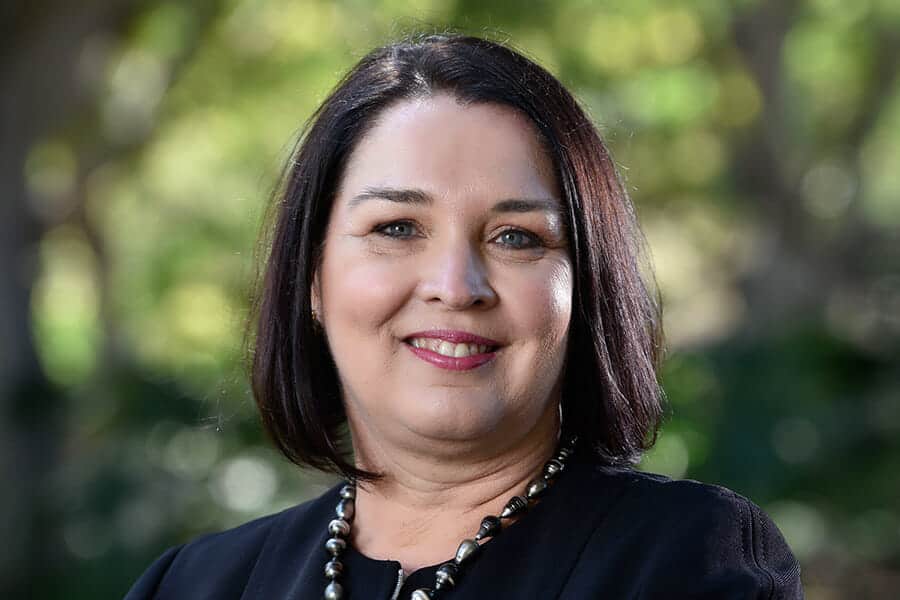

The Chair of the FPA has addressed criticism that the association isn’t there for its members, penning an article on its website saying the charge is “absolutely wrong” and detailing the ways its advocacy has helped advisers.
Speaking to Professional Planner, Marisa Broome said part of the reason people doubt the efficacy of the FPA is that the association hasn’t been particularly vocal in announcing its achievements in the past.
“I think we’ve been really, really poor at communicating how effective we’ve been and what we’ve done,” she said.
Broome, who became a board member of the Financial Planning Association in 2014 and Chair in November last year, was much more assertive in the article posted on the FPA’s Money and Life website.
“We have been criticised for not being there for our members and this is absolutely wrong,” Broome stated. “I can tell you that, without the advocacy work that the FPA has undertaken on your behalf, life would be much harder than it is.”
Broome proceeded to list some examples of the issues the FPA has been involved in, including FoFA, the LIF laws, FASEA and ASIC’s self-funding industry fee model.
She continues to lay out the current lobbying efforts of the FPA, including its ongoing work with FASEA on the Code of Ethics and its application to establish a unified Code Monitoring Body.
The FPA currently has approximately 14,000 members. They enjoy the largest share of adviser patronage among the associations and administer the respected Certified Financial Planner designation.
The association is facing headwinds, however, after receiving only two credits worth of accreditation towards a graduate degree for the CFP designation from FASEA.
‘We are listened to’
Broome says that while the FPA has “just not been good at telling people” about the work they do, it isn’t their style to scream and shout.
“We’ve made the very deliberate choice not to be combative in the way we’ve lobbied,” she says. “Advocating by headline doesn’t mean you achieve anything.”
Rather, the FPA prefers to take a measured approach so that they are included in regulatory decision-making processes.
“We have chosen to advocate for you in a way that sees us invited to the table by all the politicians and regulators – and importantly, we are listened to,” she stated in the article.
Broome explains that dominating headlines is “not how you get things to happen”. The path to influence is through reason, she argues, not volume.
“So please remember, just because the advocacy is not publicised doesn’t mean it isn’t happening.”









Leave a Comment
You must be logged in to post a comment.