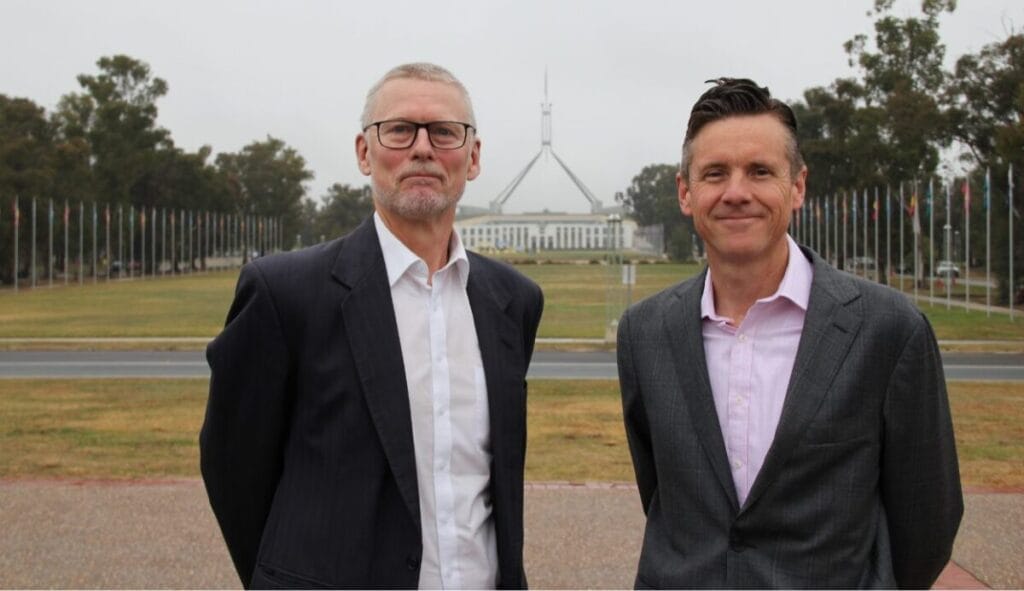

Trent Rose didn’t have much of a choice.
His dad was going to make sure he grew up to be financially literate, which meant taking the young Rose, who was of primary-school age, to the local bank for a chat with a financial adviser.
“I remember sitting there and going through brochures with them,” he says with a laugh. “It’s funny how those things from childhood really stick with you.”
The bank visit may not have meant much to other kids, but it sparked Rose’s interest in investing, which has continued to this day.
“I’ve had an interest in investing and building portfolios for a long time,” he says. “After I graduated from university, there were quite a few paraplanning jobs around, so I went in that direction.
“I didn’t know exactly what planning was and ended up finding out most of the information during the job interview.”
He worked as a paraplanner for a couple of years, before being recruited as an analyst with Advice First, where he has gradually worked his way up to buying in as a partner.
Rose has seen a few changes in the 12 years he has worked in the industry.
“When I first started, it was 2005 and things were going well for people,” he says.
“Everyone thought they would be getting 10, 15 or 20 per cent returns forever.”
Then the GFC hit and all of the assumptions and ideas about investing went out the window.
“Most of my career has come off the back of the GFC and the lessons we learned off it. I think it taught many planners in the industry to be much more strategic and smarter with their investing. A lot of clients had their retirement portfolios completely ruined.”
Most of Rose’s clients these days are people approaching retirement and he says much of his job comes down to education and setting realistic expectations.
“You need to manage risk, understand the markets and make sure clients’ expectations around incomes are realistic,” he says. “There are some big challenges facing retirees, such as lower returns on portfolios going forward and rising cost-of-living pressures.”
Given the state of the markets, Rose prefers multi-asset funds, such as something with a consumer price index-plus approach, with a strong return focus.
“It’s a way of balancing out volatility and low-return portfolios,” he says.
Rose is especially busy at the moment, ahead of the changes to superannuation that come into effect on July 1. One of the big changes is the $1.6 million transfer balance cap on the amount of superannuation savings that can be placed into retirement phase to receive the tax break on investment earnings and capital gains.
It’s a change Rose is not looking forward to.
“I don’t think it’s a great idea and it’s quite a short-sighted proposal from the government,” Rose says. “My clients are not very happy about it and the window has closed a bit for them on contributions. It’s self-defeating, too, as the idea is for retirees to be self-funded, but this legislation prevents that in a way.”
Nevertheless, Ross loves his work and says he treats his clients like family.
“I try to give them the best advice possible, as if it were my mother or father,” he says. “And I love helping them achieve their goals and hearing about all of the travels they’re taking overseas in retirement.
“Although sometimes you do get jealous.”
| Trent Rose
Name of firm: Advice First |