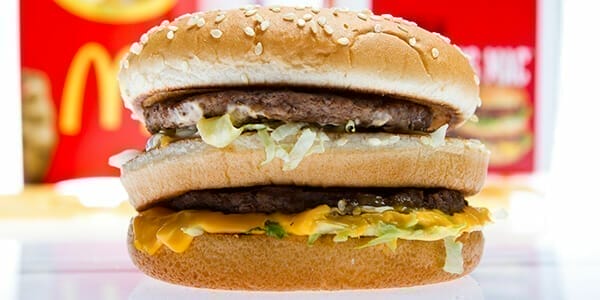

As the owner of a financial planning operation, the majority of your business involves providing clients with investment advice services. As a service provider, it means taking a different approach to marketing your company, compared to that of the local hamburger shop or homewares retailer.
I’ve often heard the difference described as selling “something” (a product) versus selling “thin air” (a service). I understand this notion, as my business sells mostly consultancy services, although you could argue a blog, like this, is a “product”. That said, when marketing my own business I focus primarily on promoting its marketing, public relations, and business strategy services.
Intangibility of good service
Good service is intangible, as you can’t touch it, unwrap, drive it or kick it. Services can’t be stored on a shelf – although as we’ve seen with the demise of the milkman or town crier, some services have shelf lives. You can “road test” a product and easily compare its features and benefits with a competitor. This is much harder with a service such as financial advice and means you need a different marketing approach to the local Macdonald’s or Bing Lee.
Sell the outcome, not the service itself
When I speak to professional service providers, they often tell me their biggest struggle is getting the client to understand exactly what they’re “delivering”. I’ve written before about building your marketing messaging as part of your ‘go to market’ (GTM) approach: where focusing on the client outcomes delivers the best results.
For the successful delivery of a service, you need to encourage the client to focus on the value they’ll personally take from your advice, rather than the service itself. Your client might be looking for a certain lifestyle in retirement. Therefore, your marketing should focus on the valuable outcome your financial advice will deliver, such as a brighter financial future and a secure retirement.
By focusing on the outcome, you’re giving the client something tangible. In marketing speak, it’s called “productising” your offer and the result is that you make something intangible feel palpable.
Make it personal
Products often give the user a similar outcome – consumers buy hamburgers from McDonalds because they’re hungry, or a balanced fund because they’re aiming for longer-term investment returns with less risk. Services on the other hand, provide different outcomes for different clients. A financial planner is an excellent case in point, where the financial advice is adjusted from client to client. Each client has distinct reasons for seeking your advice, based on divergent circumstances, goals and resources. Use this to your advantage – as a financial planner your ability to create bespoke financial solutions for each client is a real strength and gives you the building blocks for a long-term client relationship.
Focus on your relationship with the client
Ultimately, the strength of a client relationship is especially important for an advice-focussed business. The reason? A client will point heavily to your relationship with them when rating your service. In many cases, they can’t physically compare your “advice”, so they’ll look to factors such as your interactions to help them evaluate your service. Moreover, the initial relationship you strike up is even more important, as the financial outcome may not be realised for a period of time. While we’re on the issue of strong relationships, they can create customer testimonial opportunities. Research has shown that 90 per cent of clients will value a strong testimonial when making a purchasing decision.
There are some key differences between marketing hamburgers and financial advice services – however focusing on the outcome is the critical point of divergence. I’ve written before about marketing outcomes rather than what you sell. When you’re selling your services, think about the client outcomes. By securing your services to the financial lifestyle your client desires, you’re adding something tangible to your advice, and making it more likely they’ll come back for more.