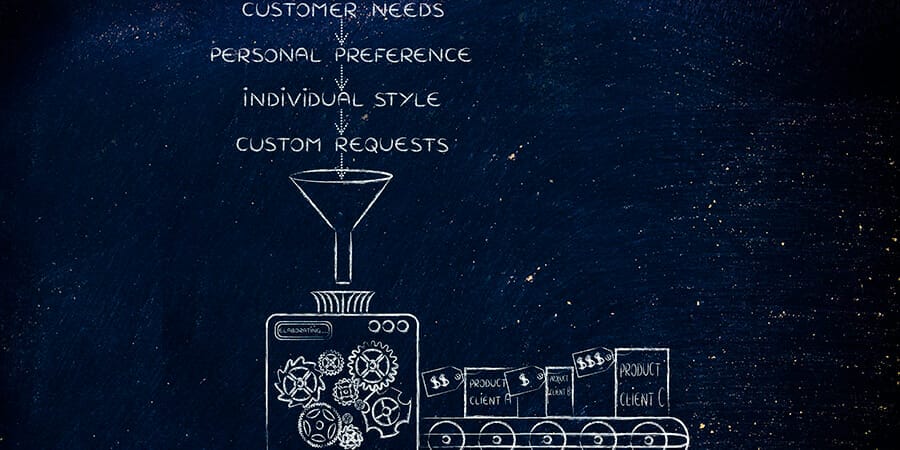

Every year, a new marketing trend, technique or fad is unleashed that is going to revolutionise business. This year, personalisation, or the ability to tailor your marketing to individuals, is the craze getting the jump on the field in the race to be a trendsetter.
My marketing colleagues at Corpwrite Strategy regularly bowl around terms such as ‘age of the consumer’ and ‘consumerisation’. What this marketing argot means is that the real power behind a purchase now sits with the consumer, rather than the brand that is pitching the product or service.
That’s why personalisation is garnering popularity as a marketing instrument. The goal of a personalisation strategy is to deliver the right message to the right person at the right time in their buying cycle. For financial planners, this might involve launching a relevant EDM to clients who might be considering rebalancing their investment portfolio early in the new year. This is feasible only if you have the right data, as you can’t tailor a message to a consumer you know nothing about.
By gathering data about a prospective client’s interests, as well as personal information such as age, location, marital status and so on, you can learn what drives their decisions when purchasing financial advice. If you can gather some valuable information, your marketing can transition from a spray-and-pray approach to being focused on your target clients’ requirements.
Valuable marketing vs ‘disingenuous junk’
Personalised marketing offers valuable opportunities for small and medium-sized enterprises, but the rub is that it’s a strategy that comes with a small margin for error. Get it wrong, and your marketing risks presenting as disingenuous junk. Therefore, knowing your prospective client’s first name is not enough. You need to build a detailed understanding of their behaviour.
There is no single marketing platform that is perfect or all-persuasive. Personalised marketing is no different. As more and more companies embrace this approach, it will overwhelm consumers. Think about how many so-called personalised emails you have in your inbox from companies you’ve bought from or dealt with in some way. They’ll generally start the EDM addressing you by your name … as though they’re a long-lost friend. This is low-grade marketing.
How to make personalisation work
Generating value from personalisation involves acquainting yourself with the prospective lead. You must have clear-cut data on who they are and why they buy. A person downloading a single white paper from your website is not nearly enough for you to assume you know everything about them.
Consider creating relevant content for each phase of their buying journey – and keep testing the waters to make sure you’re hitting the target. For example, if a lead has engaged you on retirement planning, perhaps you could offer a 10-point guide to managing their finances after they hang up the work boots. The idea is to take prospective customers on a journey. That sounds clichéd but it can make the difference between valuable personalised marketing and cyber-spam that no one reads.