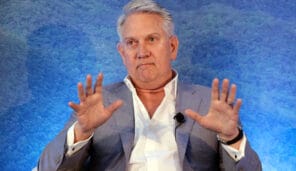

Regulation of robo-advice should put it on an equal footing with face-to-face advice to ensure that consumers are not exposed to additional risks if they choose to receive advice online, the chief executive officer of the Financial Planning Association has told members.
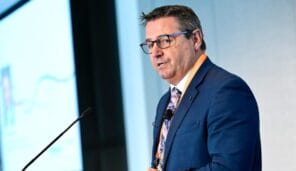
Dante De Gori told the FPA national roadshow in Canberra last week that regulation around the world should also be harmonised to ensure consumer protections are strong in all markets.
De Gori said it was impossible to tell exactly how technology will affect the delivery of advice in future, beyond saying that it undoubtedly will.
“I don’t know what technology will look like and I don’t know how we’re going to deliver advice, but I do know it’s going to change because of technology,” De Gori said.
“ASIC has recently started a consultation process with industry regarding the regulation around robo-advice. Should robo-advice be treated differently? So if advice is delivered by a computer, by an online platform rather than a human being, should they have different rules?
“We’ve said no. We’ve said that if it’s personal advice that’s delivered to an individual, to a consumer who wants to get personal advice – not information but personal advice; it’s not a calculator, it’s personal advice – then the rules should be the same.”
OK computer
De Gori said this stance does not mean that the FPA itself or financial planners are “anti-innovation or anti-technology”.
“What it means is the consumer should have the same protection and rights, whether they are getting that advice delivered face-to-face or through a machine,” he said.
“Also there is some research that’s going to be released shortly produced by CoreData that has actually done some analysis on all the current providers of robo-advice in the marketplace today, both in Australia and internationally, which I think is going to provide some interesting insights and results for us to consider and share.”
De Gori said the Financial Planning Standards Board (FPSB), which owns and administers the Certified Financial Planner (CFP) designation outside the US, and licenses the FPA to award it to financial planners in Australia, is itself examining the issue of robo-advice.
He said the FPSB is “working with the International Organization of Securities Commissions [IOSCO], such as ASIC and ASIC’s counterparts, regarding international regulation of robo-advice technology”.
Worldwide issue
“This is not something just related to Australia,” De Gori said.
“It’s something affecting financial planning worldwide.
“It’s interesting to note that we are supportive of this technology, and the question I have been asked, is how does this technology better help you deliver advice? How does it help make advice more efficient and effective and deliverable to more Australians, and that’s the key for me.
“And the question, of course, is whether the technology that’s in place today is suitable for tomorrow, or whether it has to change and, of course the rules governing that, and whether they need to change.”