
BT Financial Group is not intending to reduce its premiums in line with falling commission liabilities resulting from the Life Insurance Framework (LIF).
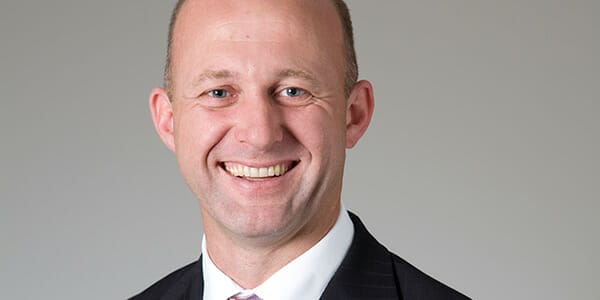
“Our behaviour today is that we don’t intend to [reduce premiums]…but we’re obviously looking at a whole of industry approach,” says Scott Moffitt, national manager – life insurance products, BT Financial Group.
Along with ongoing dissatisfaction with the proposed changes to upfront commissions, the claw back provisions have also drawn the ire of many advisers. This was acknowledged earlier this week in an Association of Financial Advisers (AFA) statement, which called for insurers to confirm “they won’t apply claw back where the policy lapsed due to a successful claim, for example on life, TPD or trauma policies.”
Will BT reduce premiums?
Asked how BT Financial Group responds, Moffitt defers to the industry body representing life insurers, the Financial Services Council (FSC). “The FSC is looking through the application of how those things might be applied in practice…and defining things like how that would work, and it would work in the case of a claim scenario is one of those.”
“We take into account all the factors that impact on price, whether that is claims, expenses or all the remuneration costs, there are other things that we need to monitor…They’ll all be considered as to the price impact of the commission change,” Moffitt says.
A 60 per cent upfront and 20 per cent ongoing commission is the proposed ‘landing spot’ in the proposed reforms endorsed by the government. In this scenario, Moffitt says: “The commission is costing less than what’s priced into the products today…what that reflects as far as a price in premium depends on what’s happening in the claims environment.”
The most recent statement from the AFA also said “pressure is very much on the insurers to consult early and thoroughly with the advice associations.” Many risk advisers cite high levels of administrative work on their part in establishing policies for clients.
Moffitt says BT Financial Group is taking steps to fully understand the impact of Trowbridge and how, from a service proposition, it can assist with the change.
“We’re currently running sessions with adviser groups across the country to get their feedback into what [the Future of Financial Advice regulations] FoFA means, how as an insurer we can continue to build out our adviser and dealer group support models.
“We’ll continue to do that. Advisers are a core part of our business. We do have the tele-underwriting and tele-interview services, we’re seeing demand for those services, to improve the efficiency of the life insurance application process,” he says.
Reducing advisers’ administrative burden
Claims management is another area of concern for advisers, believing a fee model will not reasonably compensate them for the time and effort required.
“We need to take those inputs away and see how we can help this efficiency, whether it’s the application process, or more of the ongoing management process,” Moffitt says.
“But we will not be dictating to advisers how they interact with us or how we interact with them. If we can assist to the mutual benefit of all parties, we will.”
As an example, he says BT Financial Group may add further resources around handling policy lapses. “We currently provide some groups with a dishonour service around the retention [of clients], we’re looking to expand that out to more adviser groups. We do have capacity to build that out, if we see that as an area of demand,” Moffitt says.
He acknowledges financial planners will have difficulties in adapting to the proposed reforms. “The challenge of the increasing upfront cost to the end customer obviously exists, with that conversion of what is currently built into the product, the effort does increase the consumer cost up front…that change is still the change that is most talked about in the market.
“What we’ve tried to assist with is really around the collection and transparency, both upfront and ongoing, to assist with that administrative burden,” Moffitt says.
“There’s a lot more we can do in the claims process as well…We’re taking a more holistic view of the customer’s wellbeing. There’s a lot of innovation that can be happening there, which may be a drive that some of this industry discussion might lead to.”