
Learning how to connect and engage with clients and potential clients is a crucial weapon in the financial planner’s armory that is too often overlooked in favour of technical skills and compliance issues.
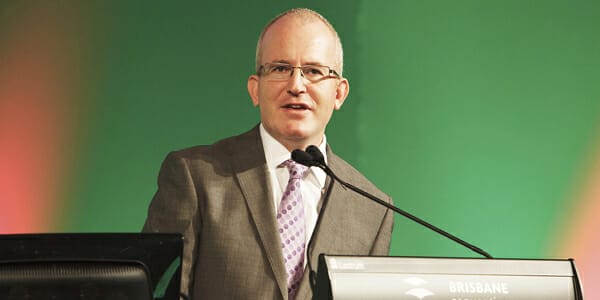
Andrew Klein, MC of the 2014 SPAA SMSF National Conference and director of presentation skills at Spike Presentations, says whether it’s a formal setting or an informal one, planners are constantly pitching their services and their business. And clients and potential clients will often make a decision on whose services they will use based on the impression they form very quickly from an initial meeting or interaction.
Klein says clients will to give you the benefit of the doubt when it comes to things like technical skill and competence – they assume they will be high. So it’s critical to have a way to make a client want to do business with you instead of another adviser.
Difficult to differentiate
An issue, however, is that it’s difficult to differentiate one adviser from any other.
“I have become really, really cynical about the way in which people say they are different,” Klein says.
“I spend a lot of time sitting in conferences and I hear a lot of stuff within the financial services world and the truth is, from my perspective, you all seem to say more or less the same thing.”
Klein says most accountants and financial planners are passionate about what they do, and that passion can be harnessed to improve presentation skills and to improve engagement with clients and potential clients. It’s not about “putting on a show”, Klein says, but about giving a glimpse of the real you, and the passion you have for what you do.
He says the characteristics of a successful pitch include engaging with the client, being authentic, smiling – where appropriate – and being passionate about your job, using humour – carefully, because nothing succeeds less than a poorly timed joke or a joke told in bad taste – and keeping things as simple as they need to be for the audience. It’s about making a connection with the audience.
All else is equal
“I would suggest that in a lot of the pitches you do, and I do, all else is equal,” Klein said.
“People do similar things to you, have similar services, similar websites, similar offerings and they do the things you do and probably charge very similar to you…wouldn’t I, as a client, prefer to do business with you if I feel that we have something in common?
“Every time you’re pitching, you’re basically saying: ‘Pick me’.”