



AMP added 44 new financial planners in the year to June 30, boosting its total number of advisers to 3680, despite a surge in the number of advisers who retired and left the group.
Speaking at AMP’s 2013 half-year results on Thursday, the group’s soon-to-be chief executive Craig Meller said planner growth had been curbed by a hike in retirements across the AMP network, with more advisers expected to leave and bow out of the industry in the next 12 months.
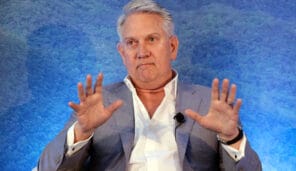
Meller, who is currently head of AMP Financial Services, will replace Craig Dunn as chief executive in January next year. He said the introduction of the Future of Financial Advice reforms had increased the compliance burden on advisers.
“This is a period of extraordinary change and we’re centrally reviewing every piece of advice, which adds a level of bureaucracy, but we want to ensure that the standard and level of our advice is high,” he said.
“We managed to grow the number of advisers by 44 and underlying that result was a number of retirements, and we expect to see that again.”
Dunn added that FoFA also presented opportunities for AMP, with an increasing number of advisers evaluating who they wanted to partner with for licensing and compliance.
“There are benefits to the integrated model, and some advisers are attracted to a strong brand and the backing of a strong business behind them as they work through the changes,” he said.
AMP declined to quantify how many buyer-of-last-resort transactions it had facilitated in the last year, except to say that the majority of retiring advisers had on-sold their businesses to other AMP-aligned advisers before buyer-of-last-resort needed to be exercised.
Losses better than expected
Dunn and Meller’s comments followed AMP’s $393 million net-profit announcement for the half year to June 30, 2013, up 5.4 per cent on the previous corresponding period. Underlying profit of $440 million slightly exceeded expectations after AMP’s shock profit downgrade on June 24, which warned underlying profit could drop to between $415 million and $435 million due to ongoing poor claims and lapse experience in its wealth-protection business.
Dunn said June turned out to be a better month than expected, demonstrating the real potency of AMP’s business franchise, scale and operating leverage when both investment markets and investor confidence was more positive.
Overall, wealth protection operating earnings more than halved to $64 million in the six months to June 30, 2013, pushing the division’s losses to $33 million.
“AMP is experiencing similar trends to our competitors and improving the performance of our wealth-protection business is a critical priority for our management team and success is all about helping our customers return to work sooner,” Dunn said.
Flooded with cash
Insurance aside, AMP experienced its strongest cash inflows in six years. Net cash flows increased nearly sixfold, driven by strong sales into its North platform and Flexible Lifetime super product, and new practices joining the AMP advice network. Growth in AMP’s Hillross dealer group saw Hillross’ cashflows rocket to $556 million for the half, compared to $84 million in the same previous period.
Meller said AMP’s strategy for growth hinged on the development of innovative scalable-advice models and the delivery of new digital and mobile advice platforms to cater to customers’ needs at different price points. It also included greater integration of AMP Bank into wealth management, with financial advisers expected to also offer banking services to their customers. He flagged the launch of a new mobile banking app later in the year.
“The Australian wealth management industry remains highly attractive, with the size of the market projected to double by 2022, but we need to change because our customers are changing and they want different things from us,” Meller said.
“It’s a more demanding customer base, which is searching for more control and value, and we want to deepen our relationship with customers. Face-to-face advice remains critical but our customers want more and we are investing in next-generation advice models.”
















Now the change at the top has been made hopefully the AMP dinosaur model can move forward & also eject their expensive high salaried BDM & BPMs that add no value to advisers. Replace them with knowledgable coach orientated Business Advice Managers that have had adviser/planner experience on lower income & more performance base salaries to create a win win for all planners & AMPs bottom line.