
The head of construction industry fund Cbus has said that the collapse of the Shield and First Guardian master funds brings back bad memories of the Hayne royal commission and the high-pressure sales tactics that were a feature of its hearings.
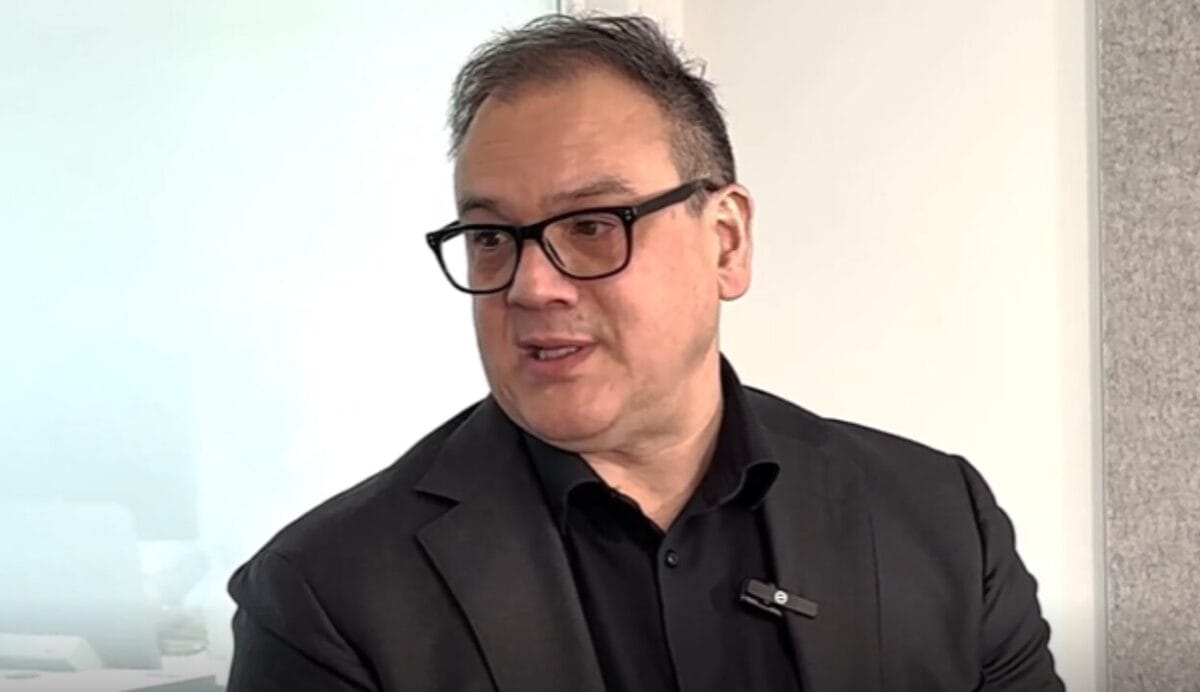
Kristian Fok, chief executive of the $100 billion Cbus, has said that the use of high-pressure sales tactics to push people into the now-collapsed Shield and First Guardian master funds invoke “a bit of déjà vu – and quite disappointingly so”.
“For those aware of the previous royal commission, one of the things that was really highlighted was conflicted sales advice and high-pressure tactics,” Fok said in a video interview distributed to members.
“They responded by changing the law, and yet here we are seeing the same things again.
“The law was changed to stop people from cold calling. This is basically a digital way of getting around it. The way they operate is by putting on targeted ads on social media; it looks like a legitimate comparison site, you can click on it and it’s easy to put in a few small details… that information is passed on, and the same high-pressure tactics can be applied – legally.”
The failed Shield and First Guardian funds have led to the loss of around $1.2 billion in retirement savings of 11,000 investors who were often convinced to rollover their superannuation fund into the two funds by financial advisers using high-pressure sales tactics and lead generators.
The losses are an uncomfortable echo of the tactics used by the banking and insurance sector and exposed during the royal commission, which found evidence of “boiler rooms” where sales representatives churned customers from one policy or another or targeted poor people with low quality products.
Those revelations saw the introduction of anti-hawking laws to prevent the unsolicited sale of financial products, but a gap in the law exempts the unsolicited sale of a financial service, including financial advice. Shield and First Guardian have been the most notorious example of the usage of lead generation services, with ASIC alleging that financial advice firms were paid by the funds who in turn paid marketing and lead generation companies, including Aus Super Compare and Atlas Marketing, to push potential clients into the funds.
Consumer advocate Super Consumers Australia has called for an end to the loophole that was exploited by lead generation services to drive customers into the now-collapsed Shield and First Guardian master funds.
In a submission to the ACCC, SCA argued that when super products are involved, lead generators exploit people and their retirement savings, undermine informed consent, drive the sale of low-quality products, facilitate misleading conduct, exploit regulatory gaps and circumvent consumer protections, erode super balances with high fees and increase reliance on taxpayer-funded services like the Age Pension.
“In our view, lead generators should not be permitted to generate leads in relation to or for the purposes of selling financial services or products, whether or not the lead generator is itself engaging in a financial service,” the submission said.
Member services
But Fok’s comments come as Cbus continues to repair its own reputation following a member servicing scandal that was also the subject of public scrutiny, along with criticism over the influence the disgraced CFMEU union has with the fund.
Last year, the construction industry super fund was sued by ASIC due to repeated failures in handling insurance claims with the regulator alleging more than 10,000 Cbus members were impacted by death benefits and total and permanent disability (TPD) insurance claims taking over 90 days to be processed with an estimated $20 million loss to members.
Fok later told the Insurance in Super Summit – held by Professional Planner sister publication Investment Magazine – that media reporting and regulatory announcements “lagged” behind Cbus’ efforts to clean up its mess; it has remediated affected members (though Fok conceded that compensation isn’t “necessarily reflective of the distress that some of the families and individuals did go through”) and worked with its administrator, MUFG, to improve service centre training and the way cases are handled, as well as sketching out changes to its paper-based binding nominations and a move to nominations that don’t lapse.
He also used the opportunity to issue another mea culpa to members.
“What we experienced, and some others in the industry, was absolutely horrific in terms of the experience that our members received at a time when they absolutely needed us,” Fok told the summit.
“It was something that came to my attention pretty quickly as I took on the CEO role; it wasn’t necessarily one of the first things that was as visible to me early on, but its significance was pretty apparent after looking at what was going on on the ground and hearing the issues that were bubbling up.”