


ASIC has been handed millions of additional dollars to help shore up its oversight of managed investment schemes (MISs) in the aftermath of the $1 billion Shield and First Guardian collapse.
Included in Tuesday night’s federal budget papers was a provision for $17.8 million over four years from FY27, and $1.4 million a year ongoing after that to strengthen MIS governance requirements, supervision and enforcement.
This included $10.3 million in FY27 for ASIC to enhance its ability to utilise data in its supervision of the managed investment scheme sector.
The budget allocation comes as the government is in the midst of a fresh review of MISs, launched earlier this year in response to the Shield and First Guardian failures, which saw ASIC act against the funds over concerns investor money was being misused to meet personal expenses or pay for pet projects of the directors.
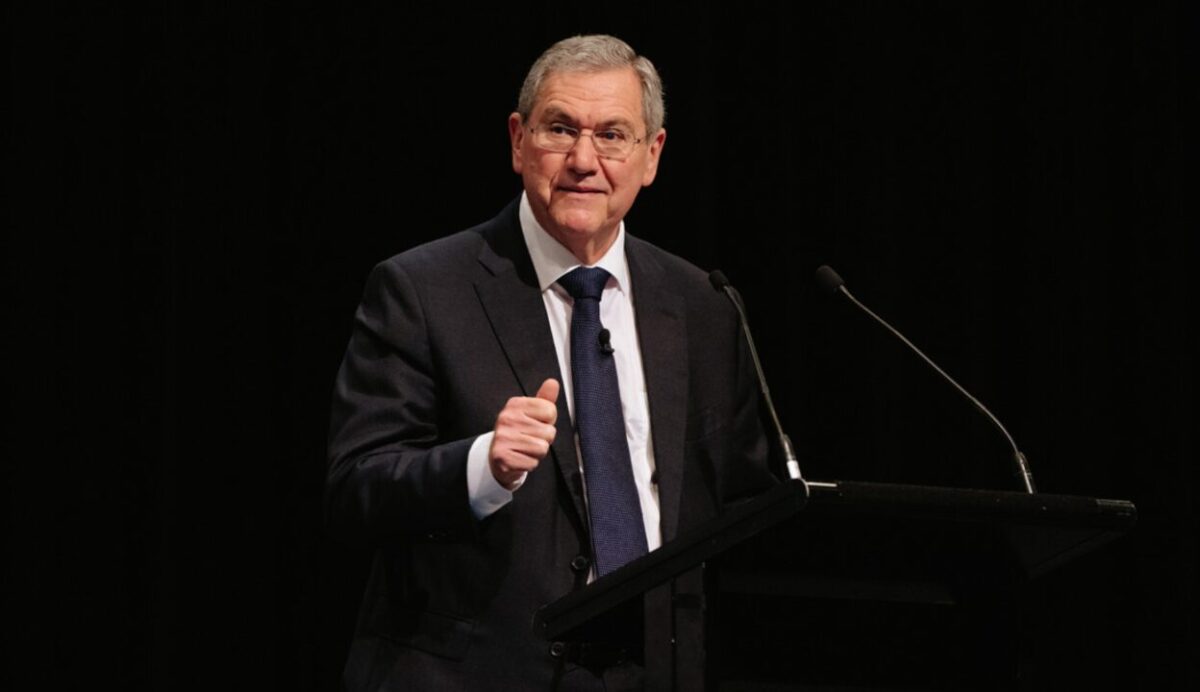
But ASIC has been criticised for its lack of oversight of the funds, which each amassed hundreds of millions of investor money before the regulator intervened, and outgoing ASIC chair Joe Longo said in March the regulator doesn’t have the capacity to effectively monitor the 3500 registered MISs.
Super Members Council CEO Misha Schubert praised the allocation to MIS oversight, while reiterating its encouragement to push ahead with advice reform to help super funds deliver more advice to members.
“Overall, this is a steady-as-she-goes budget for super, with a handful of modest but important new investments to boost oversight of investment schemes like those in the Shield and First Guardian collapses,” Schubert said.
The welcome additional funding will be largely overshadowed by the Labor government’s bold proposals to reform capital gains tax and negative gearing, which have generated a negative response from the financial services community.
Financial Advice Association Australia CEO Sarah Abood said the complexity of the changes proposed in the budget will benefit Australians who can access a financial adviser.
“Australians will need access to professional financial advice to navigate these changes,” Abood said.
“We are concerned that unadvised Australians will be more vulnerable to scams, fraud and unlicensed ‘finfluencers’ as they seek to navigate the most wide-ranging reforms in over a decade.”
The association welcomed the exclusion of superannuation from the CGT changes and the commitment to strengthen regulatory oversight and governance of MISs.
“In particular, the changes to the capital gains tax discount and inclusion of pre-1985 assets, limits on negative gearing, and the introduction of a minimum tax on discretionary trusts, will all impact long-standing financial plans and create additional complexity,” Abood said in a statement.
“While we welcome the government’s commitment to streamlining regulatory requirements including finance sector regulation, we encourage it to broaden its focus by reducing the red tape faced by financial advice businesses, which is a significant burden particularly for small business practices, and drives up the cost of advice for consumers.”
Hamilton Wealth Partners managing director Will Hamilton called Tuesday night’s budget the worst he has seen in 40 years.
“The government does not have a mandate for these changes,” Hamilton said.
“The Prime Minister [Anthony Albanese] stated clearly that taxes would not be raised and key settings such as negative gearing would not be altered. That promise has been broken. There is no more generous interpretation available.”
The Financial Services Council called the budget a “bait and switch” that raised taxes on all investors, calling for the government to back down on increasing CGT on shares and managed funds.
“The Treasurer has used the well-established inequity in the housing market as a stalking-horse for tax increases on investments in asset classes that would play an important role in lifting Australia’s economic growth,” FSC chief executive Blake Briggs said.
“If the government is genuine that their focus is on helping young Australians purchase a home, the proposed CGT changes should be targeted at the housing market, rather than being expanded to all asset classes.
“The Treasurer [Jim Chalmers] should not be raising taxes on Australians, including younger Australians, saving for their first home and building their wealth through common investments such as ETFs, managed funds, and shares, outside of the property market.”
Shadow Minister for Financial Services Kevin Hogan told Sky News the budget was a “joke”.
Vanguard Australia welcomed the government’s focus on intergenerational fairness in the federal budget, but cautioned that changes to CGT should not discourage investing.
Vanguard Australia managing director Daniel Shrimski said maintaining strong incentives for participation in capital markets was critical at a time when many Australians are holding a large share of savings in cash – the firms data suggests Australians hold around 23 per cent of their household financial assets in cash and deposits.
“We have concerns that changes to the capital gains tax could lead to fewer Australians investing in capital markets and building long-term wealth,” Shrimski said.
“That’s why these changes should be paired with targeted measures to support investing, particularly for younger Australians trying to build wealth outside of super.”















Leave a Comment
You must be logged in to post a comment.