



SQM Research has tapped industry veteran Stephen van Eyk to join its ratings and research governance committees as its process came under scrutiny in the Shield and First Guardian fallout.
Van Eyk is co-founder of the eponymous ratings agency, which was liquidated more than a decade ago after the collapse of its Blueprint investment funds. Van Eyk departed from the business in 2010 – four years before the saga that drew regulatory actions and resulted in a court sentence for former CEO Mark Thomas.
He joins two other independent members on SQM’s ratings committee, including former business partner James Purvis, with whom he co-founded Purvis van Eyk, which became van Eyk Research, in 1989.
Van Eyk’s appointment signals that SQM Research is looking to strengthen its credibility and governance credentials, after it was revealed that the now-collapsed Shield and First Guardian master funds received investment grade ratings between 3.5 and 3.75 stars out of 5 from the agency.
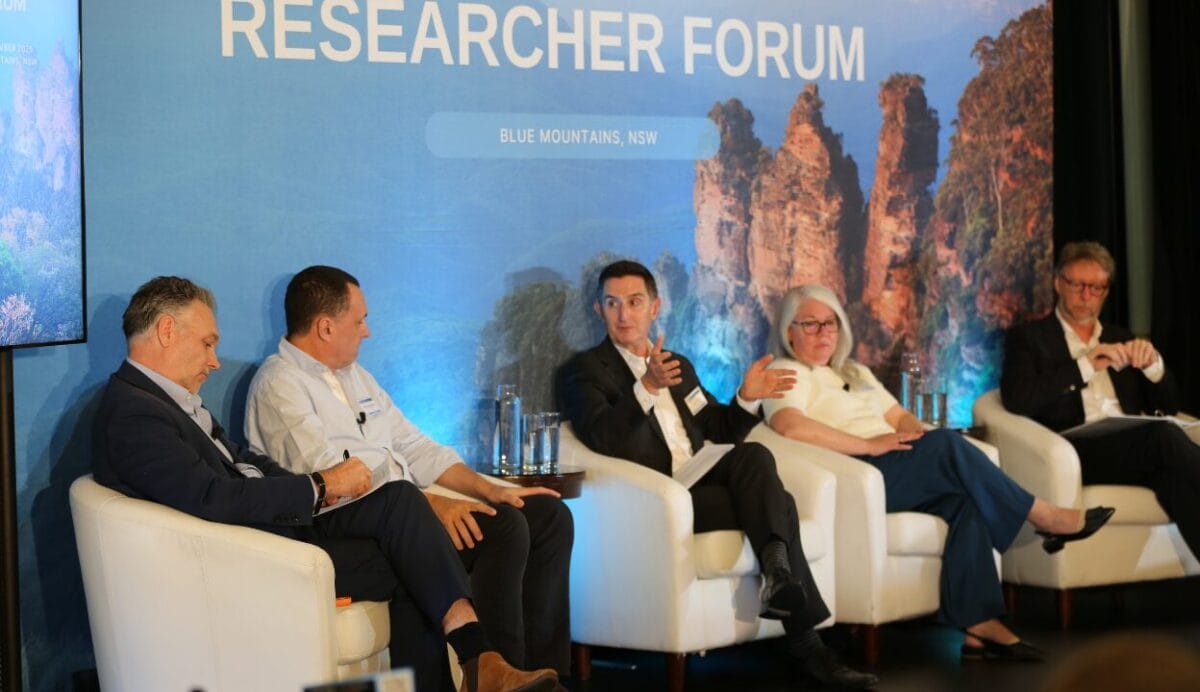
SQM Research managing director Louis Christopher, who will be speaking at the Professional Planner Researcher Forum in December about the role the research played in the Shield saga, described the appointment as a “significant step” in the company’s evolution.
“[Stephen’s] track record of fearless, independent analysis aligns perfectly with our mission to provide objective insights that empower advisers and platforms to make informed decisions,” Christopher said.
Van Eyk earned his reputation in the late 1980s as a vocal and high-profile critic of the Estate Mortgage group of mortgage trusts, which collapsed in what was at the time described as “Australia’s worst financial disaster since the [second World] War”; and cemented it a year or two after that as a vehement critic of the valuation practices of a range of managers offering unlisted property trusts, before a commercial property slump decimated that sector of the industry.
His views won him few friends among fund managers, reinforced by his opposition to the then-emerging – and now standard – research business model of product issuers paying for ratings reports on their financial products, due to the conflicts of interest that the model creates.
Van Eyk’s business instead relied on subscription revenues from advisers and dealer groups to access its research, model portfolios and iRate tool (which is now part of Lonsec), which earned van Eyk wide trust from financial planners across the country.
The fallout of the collapse of Shield and First Guardian saw $1.2 billion in retirement savings of 11,000 Australians left in limbo after ASIC commenced proceedings against the responsible entities of both funds over misuse of member money, amongst other concerns.
The regulator has alleged that advice firms received payments from the Shield and First Guardian funds, which in turn used lead generation services to funnel customers into the funds without factoring in their best interests.
While advisers, lead generation services and the responsible entities of the fund have been central to ASIC’s investigation, the regulator is also scrutinising the role of the “gatekeepers” including researchers, platforms and licensees.
Earlier this week, APRA warned platform trustees to lift their governance standards or face tougher regulatory oversight, after a review in the wake of Shield and First Guardian scandals found some trustees were over-reliant on external ratings agencies for due diligence and lacks systems to flag emerging investment product risks.
ASIC is suing Equity Trustees for its due diligence role and has already come to an agreement with Macquarie, which will remediate Shield consumers on its platform.
The appointment of van Eyk comes as former ASIC Commissioner Danielle Press was nabbed to lead a dedicated governance committee for ASX-listed Sequoia Financial Group, the owner of the InterPrac Financial Planning licensee responsible for authorising advisers named in ASIC’s investigation.
ASIC deputy chair Sarah Court told a Parliamentary Joint Committee hearing last month that at least one research house is under investigation for giving Shield an “investment grade” rating, although didn’t specify SQM by name.
An investigation by Professional Planner showed quantitative ratings firm FE fundinfo had rated both Shield and First Guardian, giving one investment option of the latter a “five crown” rating which wasn’t updated months after ASIC had commenced freezing orders on the fund.
Christopher has publicly defended the SQM’s research process, saying “many platforms set a minimum threshold of 4 stars for product inclusion” and that the agency had promptly downgraded the scores for Shield and First Guardian “when we became concerned about limited disclosure, irregularities, and a lack of information from the fund managers”.
“Publicly available commentary and statements from various parties suggest that the failure of the funds may involve irregularities in investment activities and the movement of investor funds. It appears that these matters may not have been fully disclosed to ASIC, investors, advisers, platforms, or SQM Research,” he wrote in a LinkedIn post.
Still, SQM Research sits within a sector which has been on ASIC’s regulatory radar even before the Shield and First Guardian blow-ups. In the Professional Planner Researcher Forum last year, ASIC Commissioner Alan Kirkland said the regulator was worried about whether trustees, advisers and licensees are applying their own judgements to investment and superannuation product ratings.













Having seen Interprac’s complaint response to a First Guardian victim and then read yesterday that they’re still allowing businesses to use cold calling, anything short of cancelling their license is unlikely to alter some seemingly serious ethical flaws in the way they operate…