
A key step for advice practices to maximise technology use is to work on data strategy, which means creating a “tech stack, not a tech pile”.
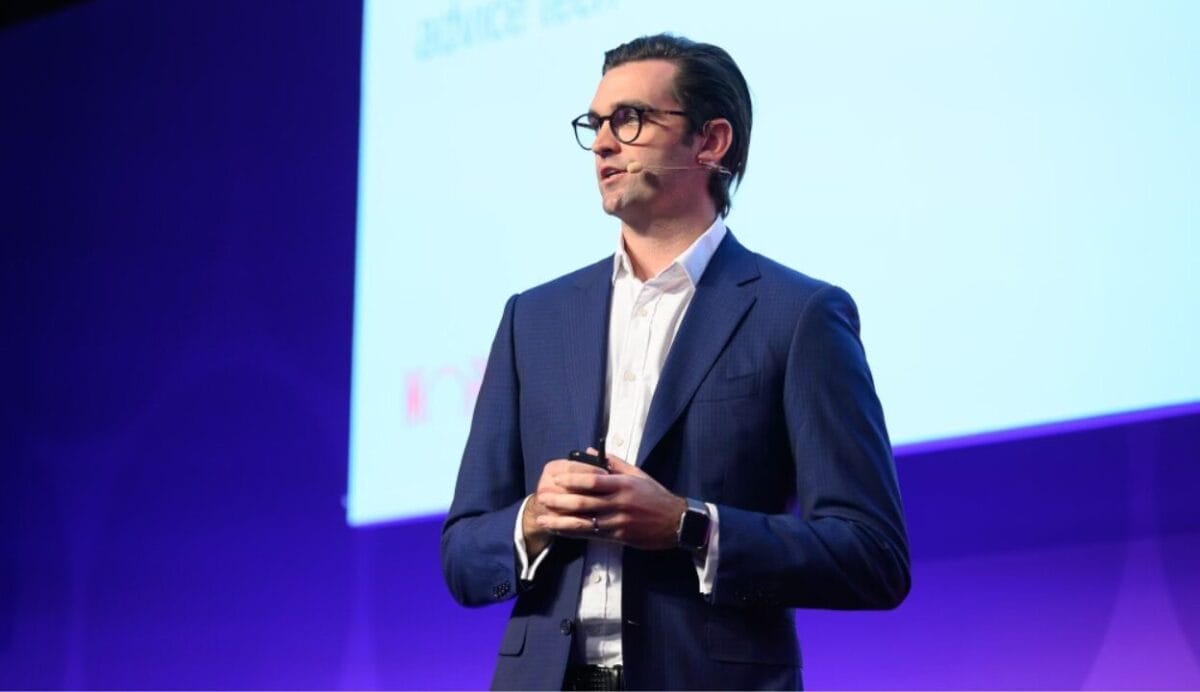
At the Morningstar Investment Conference this week, Morningstar business development manager Nick Downey said the most effective advice practices will plan their systems around the flow of client data.
“This will start when a client comes into a business as a lead to when they’re actually signed up to an ongoing service agreement,” Downey said.
The biggest mistake practices were making was creating a “tech pile” rather than a tech stack, where different technologies are added that don’t work effectively together, Downey said.
“The lesson here is clear: less is more when it comes to technology,” he said. “What you want to avoid like the plague is…creating a tech pile.”
For example, Downey said, a Brisbane-based advice practice brought on Asana to solve a workflow issue, but only created further problems because it wasn’t connected to the practice’s core advice processes, which meant frequent double entry of data.
“Over time it became quickly apparent that by introducing another system things start to fall apart, it actually got harder,” Downey said.
“The reason why they made this mistake was because they were only looking to solve a problem in isolation. They were really focusing on just the workflow side of things and not really considering what is going to be the overall effect by introducing this additional system into their practice.”
Downey noted there isn’t a one-size-fits-all strategy for advice practices when it comes to using technology. “Utilising multiple technologies within a practice is going to be inevitable,” he said.
“However, when we have a clearly defined data strategy, and we think about that flow throughout the system, we’re going to be able to maximise the efficiency from our advice tech.”
A plethora of AI software has entered the mainstream and advice product markets in the past couple of years, and Downey said both streams have potential for the advice sector.
“A lot of practices and advisers I’m working with definitely recognise the potential for AI and what it can mean it terms of automating routine tasks and then ultimately allow time to be saved by an adviser,” Downey said.
“There’s hesitancy from advisers that I’m working with in terms of what does the actual practical application of AI into my advice business actually look like.”
He noted this apprehension comes from cybersecurity risks – whether or not the tech provider is a trusted source – along with potential compliance issues.
However, he said Microsoft Copilot – built on OpenAI’s GPT-4 large language model – is likely the most appropriate solution out there for advice businesses, given the likelihood of Microsoft Office already being used.
“That’s why it’s a low hanging fruit in terms of businesses starting to utilise these tool that are already available,” Downey said.
Outlook can also be used “like having your own personal assistant managing your inbox for you” as it can summarise long email threads, highlight the important points that you need to be aware of, and create suggested responses.
Additionally, Copilot’s AI can be used to transform Statements of Advice written in Word into a client presentation in PowerPoint, while Microsoft Teams can help automate production of file notes.
“Over the last 15 years in the industry I can count on one hand how many advisers actually enjoy file noting,” he said. “This is why I feel utilising Teams is going to be an absolute game changer.”