


Industry associations have welcomed proposed changes to the adviser exam but have used the consultation process to critique the cost of the exam to candidates.
The government launched a consultation at the end of 2023 to change the exam to consist of only multiple choice questions, as well as removing restrictions over who could sit the exam.
After the final deadline for practicing advisers to complete the exam passed in September 2022, only Professional Year advisers in their third quarter have been permitted to sit the exam.
When FASEA was wound up at the end of 2022, ASIC took over administration of the exam and the cost to sit the exam rose from from $597 to $973. Last year, the price was further bumped to $1500.
In its submission to the consultation, the Financial Advice Association said the old exam fee, while not only lower, was also a deductible business expense to most candidates from 2019 to 2022, when practicing adviser candidates were sitting the exam.
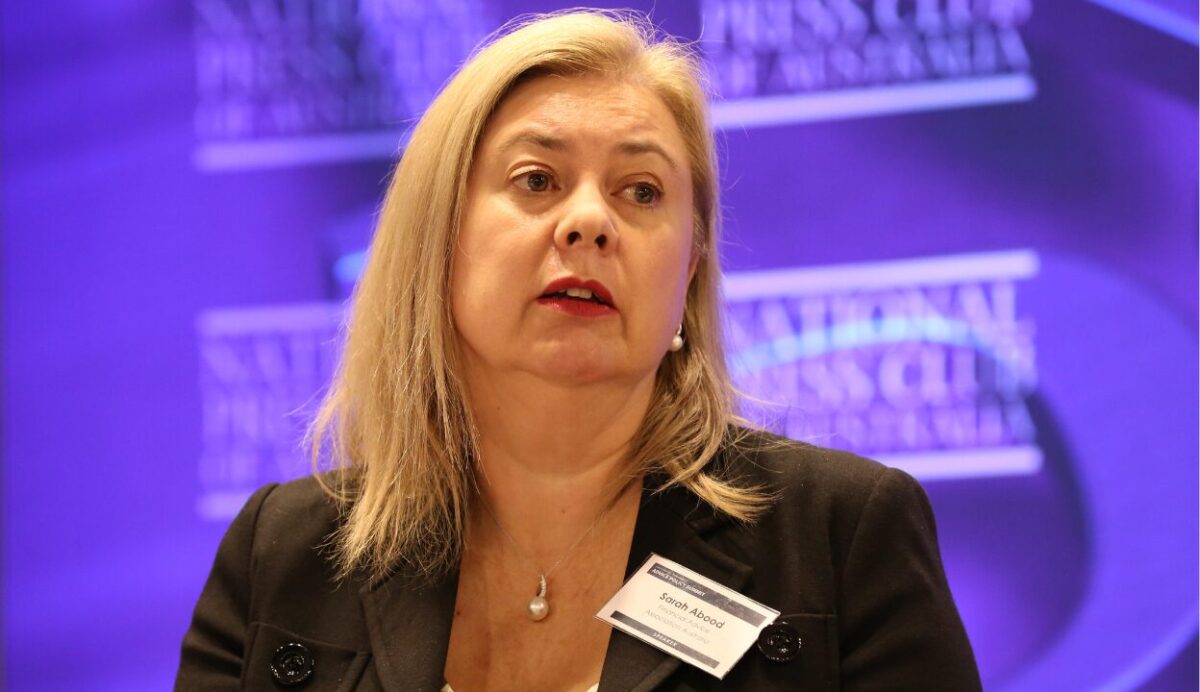
“It is assumed that the majority of people sitting the exam now are new entrants who are doing their professional year, and many will not have the ability to claim the cost as a tax deduction as they are not yet practising,” the FAAA submission said, signed by CEO Sarah Abood.
“There are two major problems that have broader consequences. Firstly, the exam is far too expensive for university students and career changers. This is a factor as a disincentive for some to pursue a career in financial advice.”
The SMSF Association has made similar calls, arguing the increases are significant, unsustainable and risk creating a barrier to entry to the industry.
“We anticipate, and look forward to, the proposed exposure draft amendments resulting in a substantial reduction in the exam fee,” the SMSF Association submission said, signed by CEO Peter Burgess.
The Stockbrokers and Investment Adviser Association submission said that PY candidates have already incurred significant costs to undertake mandated education to enter the profession and further “significant costs to sit the exam cannot be justified”.
“Once the proposed changes are implemented, the cost to the exam provider should reduce significantly and this should be passed on to the exam candidates in the form of a lower exam fee,” the SIAA submission said, signed by CEO Judith Fox.
Strong backing
While the cost of the exam became a key target of the submissions, the FAAA, Financial Services Council, SMSF Association and SIAA all placed their support behind both changes proposed by the government.
“Without a need for subjective assessment of answers, the marking process can be largely automated removing the risk of human error and subjectivity,” the FAAA submission said.
The FSC submission said any argument that multiple choice questions are easier for students to game are unfounded.
“Multiple-choice exam can be appropriately set and rigorous,” the FSC submission said, signed by advice and platforms policy director Zach Castles.
“Given the proposal requires at least 70 questions we view this as adequate to test such knowledge rigorously without diminishing education standards.”
The FAAA also noted that new entrants also need to have completed a university degree.
“The financial adviser exam is not the only exam they need to pass to commence a career as a financial adviser,” its submission said.
Open for all
The FSC had previously suggested opening the exam to all licensee staff and said in its submission the proposed change would give PY advisers more flexibility to sit the exam, especially given they are required to have passed the exam before the third quarter of their PY year.
“Typically, PY candidates will sit the exam while they are going through Quarter 2,” The FSC submission said.
“Given there are four exam sittings in a calendar year this could potentially cause some delays, especially if a candidate fails an exam and has to re-sit.”
The FAAA said employers would gain more certainty if they were able to appoint new entrants that already completed the exam, along with the benefits for students.
“Recently, exams have been infrequent and the timing has not always lined up neatly with the end of the academic year,” the FAAA submission said.
“As a result, students who had completed their studies, have sometimes had to wait many months for the opportunity to take the exam – a problem that is further exacerbated if a student fails.”
The SIAA supported the proposals but also made other suggestions, including changes to the scope of questions, giving unsuccessful candidates personalised feedback, and removing “trick” questions.
The exam should provide a broader range of scenarios than simply those based on financial planning so that the exam reflects the full spectrum of financial advice,” the SIAA submission said.
“Questions that have two correct answers requiring the candidate to guess the ‘most correct’ answer should be removed and replaced with questions that test the candidates in ways that ensure they know the material rather than trying to trick them.”



















Leave a Comment
You must be logged in to post a comment.