
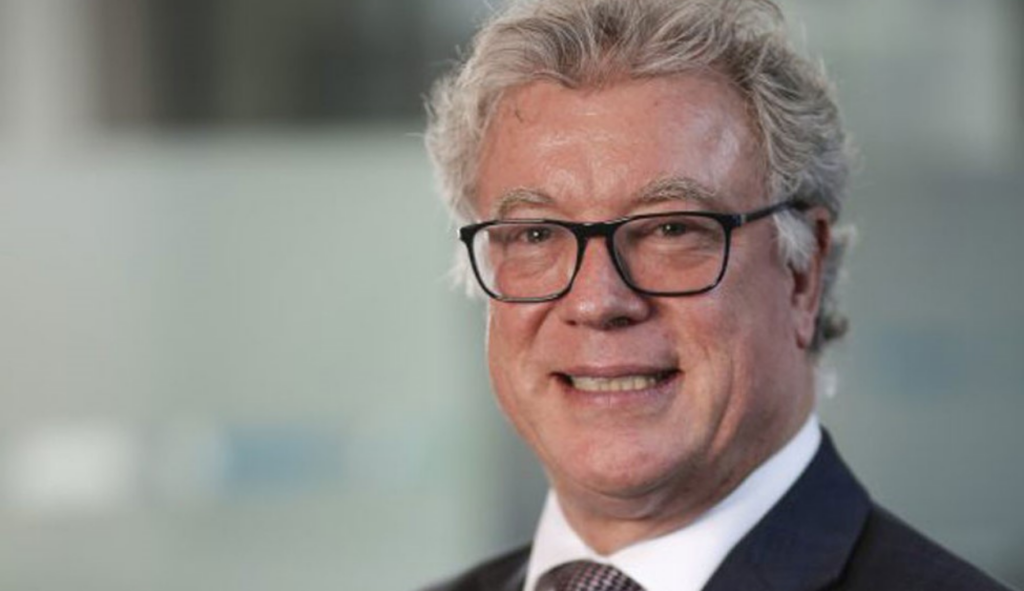

SMSF Association chief executive John Maroney has revealed a personal experience that brought to light how prevalent and sophisticated cybercrime and investment scams are becoming, and the danger they pose to SMSF trustees and self-directed investors.
More importantly, he says, the experience serves as a reminder that specialist advisers are a crucial barrier preventing consumers from getting caught up in nefarious scamming activity.
“I can attest from personal experience just how sophisticated these scams can be when I was approached by ‘ASAL Group’ who claimed to be specialists in assisting people manage their SMSFs,” Maroney said, adding that the group had a “slick” approach.
“But the fact that they claimed to be a subsidiary of a major financial institution, yet I had not heard of them, and promised returns of between and 18 and 24 per cent, seemed just too good to be true,” he continued. “I checked on the ASAL Group to quickly discover it was a scam, and then alerted ASIC.”
To mark today being the start of Scam Awareness Week, Marony said any SMSF trustees who find themselves in a similar situation should consult with their specialist adviser to confirm whether an offer is real or not.
“And report the scam to ASIC,” he said. Its website is very helpful in giving investors guidance about whether the offer is genuine or not.”
According to ASIC investment scams comprised $328 million (38 per cent) of the $851 million lost to scams in Australia in 2020.
“This is of particular concern in our sector as SMSF trustees and self-directed investors can be financially crippled by these scams,” he added.







Leave a Comment
You must be logged in to post a comment.