
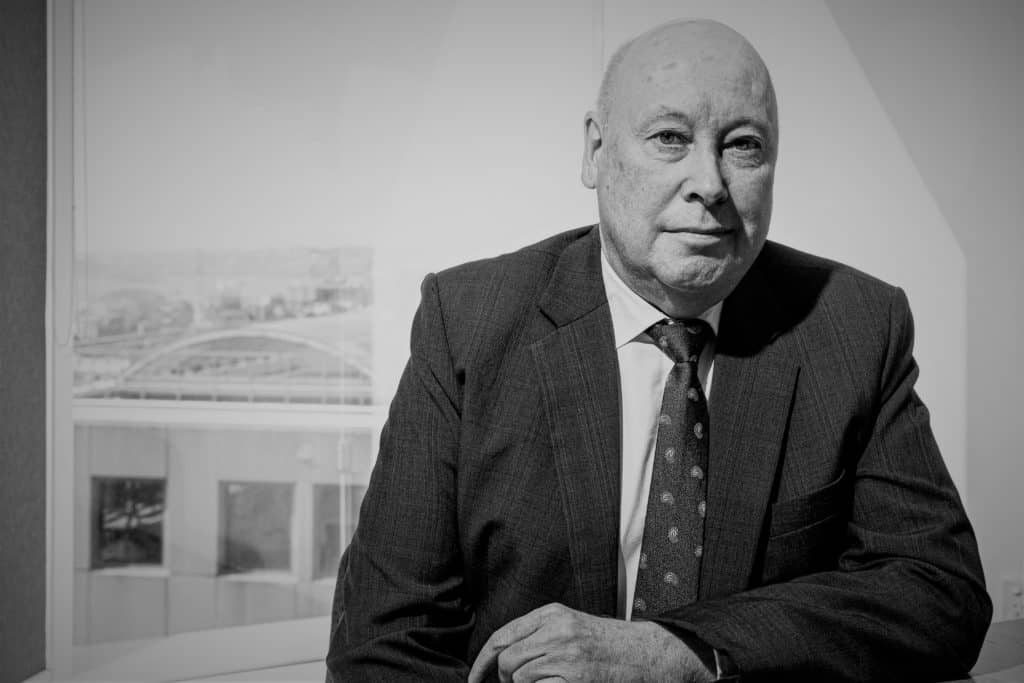

The chief executive of FASEA, Stephen Glenfield, has attributed the recent decline in pass rates for the adviser exam to ‘second-sitters’, whose collective pass rate was well below the average for first-time sitters of the exam.
Speaking via video link at the Professional Planner Digital Licensee Summit, Glenfield said “16 or 17 per cent” of the 470 financial advisers who sat the April exam were doing so for the second time. It is understood this is the highest proportion of second-sitters to take the exam so far.
“The first-time sitters again did really well, up around the 84 per cent pass rate,” Glenfield explained. “With the second-sitters, what we found in general was that their marks went up – and in some cases significantly went up – but the pass rate on them was just over 50 per cent.”
The pattern was expected, the CEO explained, and consistent with broader examination trends.
“That’s not uncommon from what I understand [through] talking to people that run exams with people coming back a second time,” he said. “It’s not guaranteed that they will all get through, and that’s part of the testing of the exam…”
The April exam was the fifth conducted by FASEA, and the first to be conducted via remote proctoring due to the Coronavirus pandemic. The 79 per cent pass rate, down from an overall average of 86 per cent, raised eyebrows and was initially thought to be linked to difficulties advisers may be having with the proctoring technology.
As it turns out, the results are indicative of a more indelible trend; those that perform poorly and need to resit the exam are less likely than first-time sitters to pass the exam.
“The April exam was a unique cohort because we brought in the online sitting due to Covid,” he said. “But it had a larger percentage of people resitting the exam than we’ve seen on others which did have an effect on the pass rate.”
According to Glenfield, the results serve to reiterate the fact that not everyone is meant to make it through the process of bringing advisers up to an educational benchmark. Moreover, the focus should be on the almost nine out of ten advisers that are passing the exam.
“But it recognises that not everyone will meet that standard,’ he said.
Trumpeting results
For those that have passed the adviser exam, Glenfield said the result was a good opportunity to promote their qualification to clients and associates.
“This is a major change in terms of raising the standards that consumers need to hear about,” the CEO said. “As an adviser I’d be looking to promote what I’ve actually done because I’ve [then] made the step up and I’m operating under a regulated sphere that puts me in a place of delivering an ethical code that puts consumers first.”
No need to be shy, Glenfield explained, or modest about the achievement. “I’d be trumpeting it,” he said.
A total of 7958 advisers have sat the exam so far, he added. Combined with the 4031 who have registered for the upcoming June and August exams, a total of 53 per cent of the total advisers on ASIC’s adviser register have either sat or are registered to sit the exam, Glenfield said.




















Leave a Comment
You must be logged in to post a comment.