
In November last year, Prosperity Advisers was named the Fast-Growing Firm of the Year in the Australian Accounting Awards 2015, after generating 11 per cent revenue growth in the 2013–14 financial year and 14 per cent growth in the 2014–15 financial year.
About 60 per cent of Prosperity’s business is what might be described as “traditional” chartered accounting work, while about 25 per cent is wealth management and financial planning. Founder and chief executive Allan McKeown says the growth reflects how well Prosperity’s divisions work together to provide holistic advice services to clients. He says the award’s judges were keen to examine “what the drivers were behind that growth, and to get a feeling for whether the things we’ve done are sustainable or were a one-off good year”.
Working out how to continue to grow and meet the needs of clients is a focus of the business, through its internal “Firm of the Future” project, designed to help the business keep abreast of changes across the industry, and where they are likely to lead.
“We try to get everyone to think about what the advice profession is going to look like in 10 years’ time and try to put in the building blocks to ensure not only we get there, but we’re at the forefront of those changes,” McKeown says.
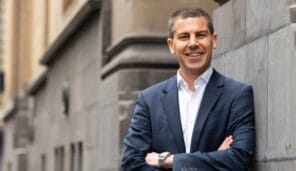
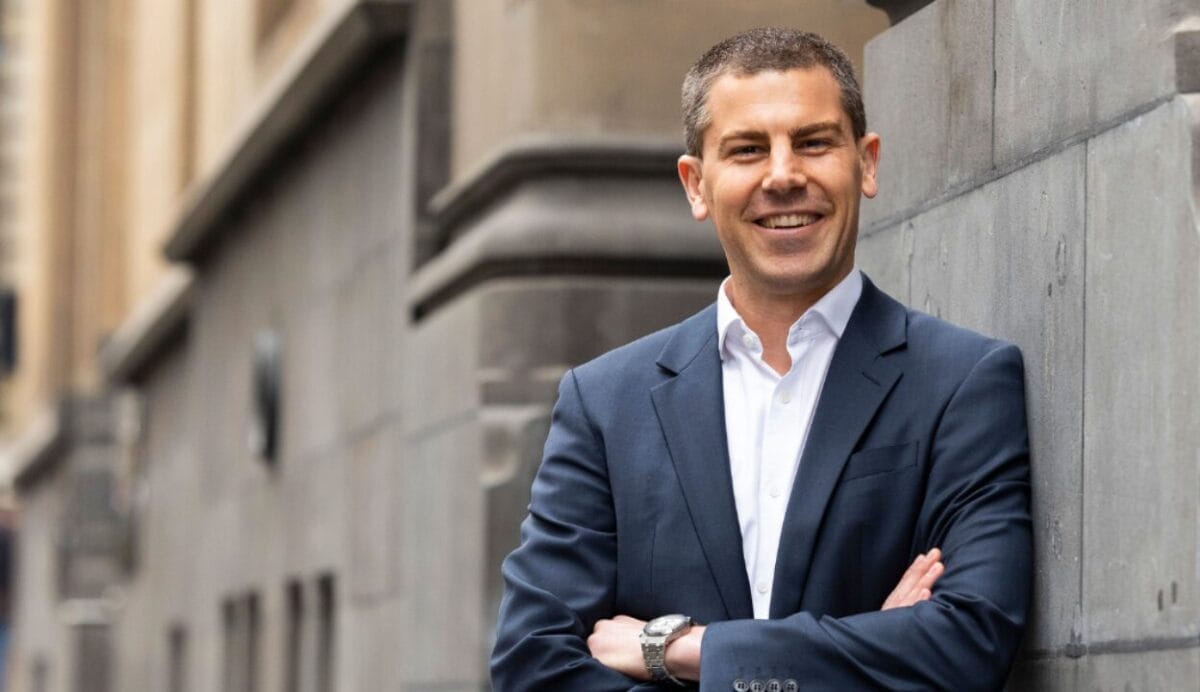
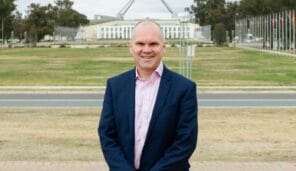
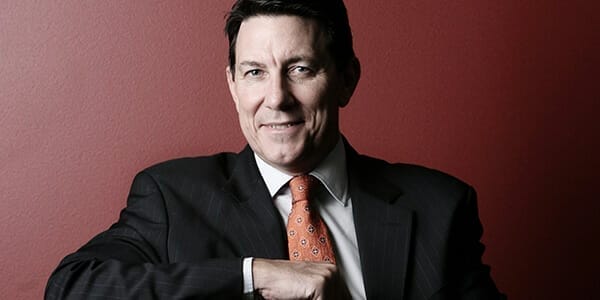
McKeown (pictured) says a number of themes cut across the accounting and financial planning professions.
“Key, obviously, is the diversification of services, in our view,” he says.
“I don’t want to be preaching – there are very good specialist practices. But we’ve grown our business on having the holistic model. That works well for our clients.”
Clients value a trusted adviser
McKeown says survey results support the view that clients value a trusted adviser relationship with the firm, as well as the firm’s ability to swing in expert, specialist advice to address specific facets of clients’ advice needs.
“The second bit is the technology piece that’s coming at us from all angles,” he says.
“There’s a lot of change there, but also a lot of opportunity. In the provision of accounting advice, a lot of it is around cloud accounting and getting real data sooner; but our focus and the focus of firms of the future will be not just getting a platform and getting your numbers out quicker, but using those numbers to get involved in predictive advice – taking the numbers and working out how we can use these numbers to improve our decision making and make our business better.
“On the financial planning side, it’s robo-advice. I grin when I say that. Our view is that when people want to make important decisions, they want to sit across the table from someone they know and trust to make those. There’s a place for the technology for do-it-yourself people, but the more governments try to simplify legislation the more complex it becomes and there’s always going to be the need for somebody who understands that, who can sit down with clients and understand their needs, and help tailor that into a plan that they can use and implement.”
McKeown says that in the same way that some of the accountant’s traditional activities are being commoditised and automated, so too are some of the traditional activities of financial planners. But he says automation will never replace the high value of face-to-face client contact.
“We’re in a good place to watch and hopefully take a hand in developing these changes in each. And you’re right: we encourage that it’s been a really good thing to get the add-up-and-take-away-style work off the desks of our people, and then get them to focus on where they can add value.
“It’s easy to sit down and do a bank reconciliation. It keeps you busy. But when you’ve got that taken off your desk you’ve got to think about how you can add value to a client. That’s when you fast-track your skills as an adviser and you’re able to deliver stuff that the client really values, as opposed to stuff they just have got to get done to lodge an income tax return or to comply. And I see the same sort of thing in our wealth-management practice as well.”
Understand and value the other
McKeown says offering holistic advice services means each adviser in the business – whether on the accounting side or the wealth management and financial planning side – has to understand and value what the other does, and how they do it.
“That takes a lot of time, but having the wealth management guys present to our accounting people to get them to understand not what they think an adviser does but what actually happens – and vice versa, how a tax guy can add value to a client’s structure – is a big education piece, so we at least understand how they work and fit together in servicing a client,” he says.
“The next important bit is communication. We invest a lot of time on group meetings that are holistic ones. Certainly we spend a lot of time in divisional ones where we specialise on what are the FoFA changes and what’s happening in financial planning, but on any organisational or logistic management thing, it’s the whole team. It’s the advisers side-by-side with the accounting guys, so it creates that cross-pollination of ideas and the sorts of things we do in servicing clients that enable us to present those more holistically to clients.”
As a result, events such as the end of the accountants’ exemption on June 30 this year are largely a non-event for McKeown.
“It’s caused me a great deal of mirth, to be honest, listening to my colleagues in the accounting profession talking about this,” he says.
“Those that are singular practices and don’t have the holistic offering, it’s become such a major issue for what should be a small thing. For us it is simple. Our view is, you’re a specialist in an area, and our business model is the accounting guys will bring in the specialist financial planner to provide the advice that they’re better-equipped and licensed to [give].
The better way of doing it
“That’s how we’re going to do it, and I think that’s the better way of doing it. My accounting colleagues feel like they’re losing something, an entitlement. My view is there’s enough to do in the accounting and tax area without having to worry about branching off into other disciplines as well. It is causing a lot of angst across the profession.”
McKeown says the starting point for a successful multidisciplinary advice business is to put the clients’ interests at the core of everything it does. It’s simple in theory, but it is “where a lot of heat and energy gets expended that is not necessary”, he says.
“The client just wants the advice from people who [are] appropriate to give that advice,” he says.
“There’s no right or wrong; but someone needs to cut through that … rather than the financial planning profession and the accounting profession warring over who’s got the right to do something. The client needs the advice; all the rest is just logistics.”