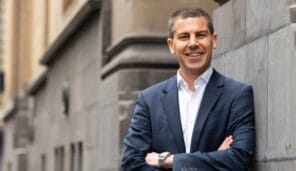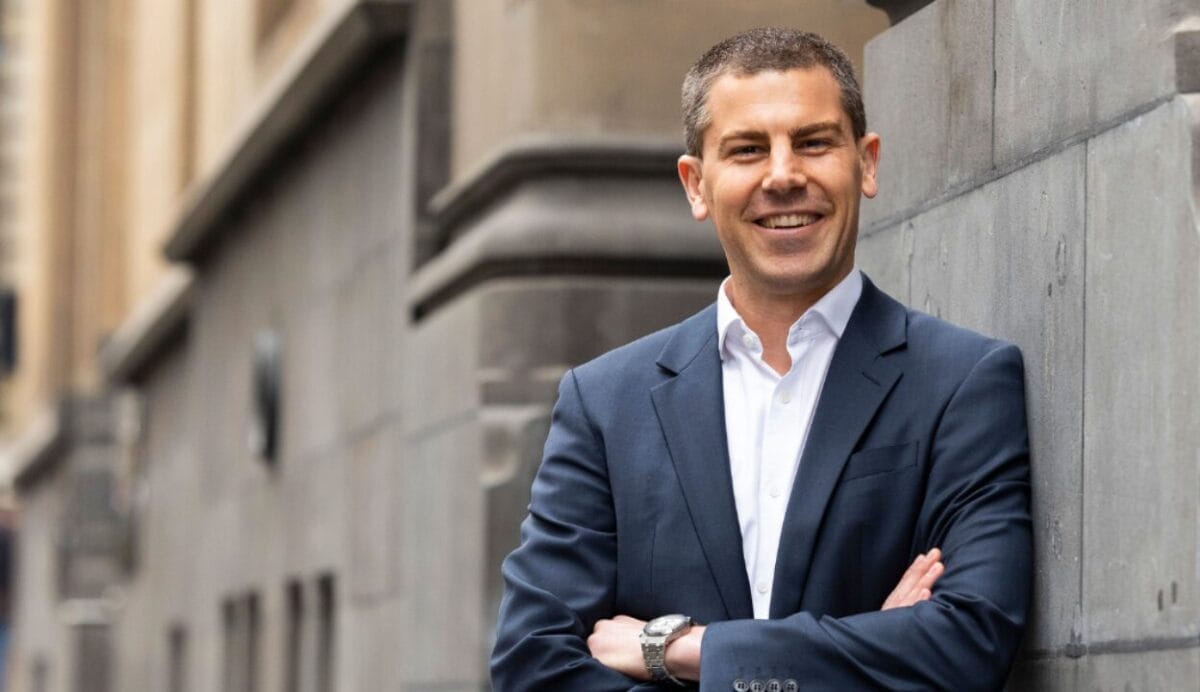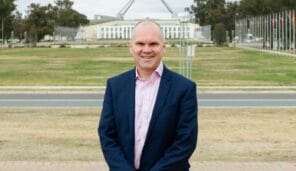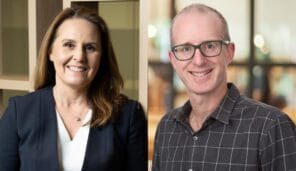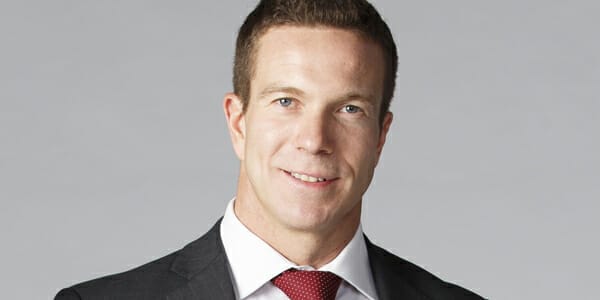

Control of Hewison Private Wealth passed to Andrew Hewison in January this year, 30 years after his father, John Hewison, founded the practice.
Hewison senior is a former chairman of the Financial Planning Association of Australia (FPA), and also a life member, having served a number of FPA boards and committees.
“As a fierce advocate of fee-for-service and the abolition of commissions…higher education standards have always been the cornerstone of John’s and this business’s beliefs. And we’ll carry the torch on that,” Hewison says.
This is reflected in the in-house education standards the self-licensed financial planning business expects of its authorised representatives (ARs). All six hold the Certified Financial Planners (CFP) designation.
Hewison says every adviser who joins the business “starts from the ground up and goes through a very extensive mentoring program within Hewison.”
The standard process, after they have obtained a relevant degree prior to joining, involves commencing postgraduate studies and taking part in the CFP program after obtaining a minimum of two years’ work experience. “So by the time you’re an independent fully practicing authorised representative, you’re a CFP and have been working in the business for at least five years,” he says.
Though he doesn’t rule out the possibility of fast-tracking candidates in future, Hewison emphasises that the CFP designation for all planners will always be non-negotiable.
“I and my colleagues certainly believe we’re in a profession, but many outsiders would still look at us as being nothing more than an industry because we simply don’t have the education standards of other professions.
“I know there’s been discussion…around the differences between what’s product advice and more holistic advice, and perhaps having education standards that cover both of those. But The fact that holistic advice can be provided to anyone, from an individual with a diploma that can be picked up in a week, is something that needs to be change,” Hewison says.
The client base
Hewison Private Wealth deals predominantly with high net worth clients with around $1 million of investable assets. With some $700 million of assets under management, it has around 800 clients. Of these, 550 hold self-managed super funds (SMSFs), which is a key specialty of Hewison.
“We run individually managed accounts on every single of our clients. We don’t’ run off any kind of modeling, every client’s portfolio is completely unique to them…so our service does cater towards the high net worth individual, and we want to continue to grow in that space,” Hewison says.
In terms of remuneration, the business operates entirely on a fee-for-service basis in providing financial advice. In most cases, life insurance advice is outsourced.
“We felt that it was such a highly specialised area [and] there were other people external to our business that could do it better…we didn’t feel our clients were getting the absolute best advice in that area from us, so we now outsource it.”
While Hewison believes fees should also be adopted in life insurance advice, he understands both sides of the argument. “We feel that a fee-for-service arrangement is the best way to go, [so the client] understands what they’re getting and how much they’re paying,” he says.
“But there is a huge risk that if insurance brokers and the like can’t be convinced that they can’t become profitable on fee-for-service…then they’re going to step out of that altogether, and there’s going to be a lack of people offering insurance solutions to everyday Australians,” he says.
A gradual succession process
For his own part, Hewison was formally groomed for the top job as managing director of the business for around 18 months before being appointed. This was in addition to his 13 years of experience within the practice, having joined after completing his university qualifications.
More broadly, Hewison senior – who remains chairman of the board – had been deploying a long-term succession plan for around a decade before retiring as managing director.
“He started selling down equity about 10 years ago. He could’ve made the decision to sell out to someone else, as the approaches have come over the years, but he didn’t think that was going to be in the best interest of the clients,” Hewison says.
He reveals each adviser in the business is an equity partner. “John’s been aware for sometime that he had a succession plan in place, so we’ve all had a hand in the strategic direction. “
“Just because one member of the team has stepped out [with John’s retirement] doesn’t mean this is going to change, or that I have any immediate plans to make significant changes,” Hewison says.