

Growth in capacity and increasing interest from international markets mean the recent run of reducing premiums in Australia may well continue, raising the question of whether insurers are prepared to meet the challenge and diversify by developing new products.
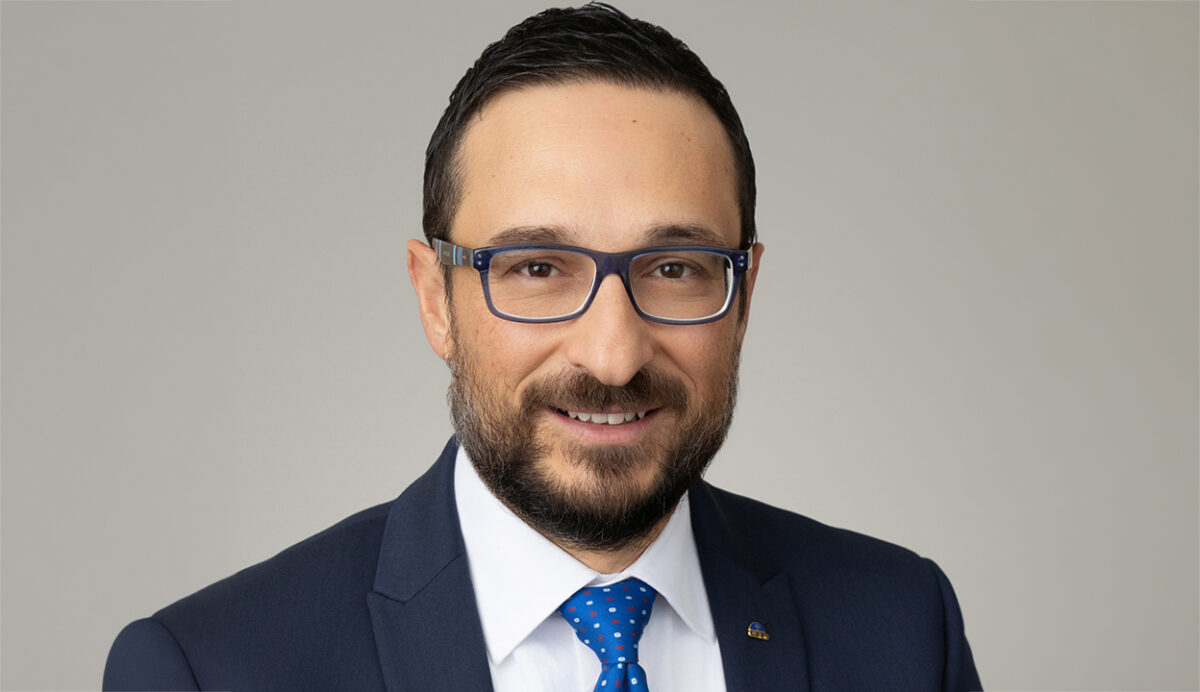
This is one of the key insights revealed by Lambros Lambrou, CEO of Aon Risk Solutions Australia (NYSE:AON), following the release of Aon’s Australian Insurance Market Update for Q1, 2014.
Mr Lambrou said that the data, gleaned from the Aon Global Risk Insight Platform (GRIP), the world’s largest proprietary database of insurance placement data, enables better analysis and more profound insights to support the insurance industry in shaping its future.
He also pointed out that insurance markets in general are becoming increasingly attractive investment opportunities for alternative capital, such as pension funds, which are actively seeking greater returns and further diversity for their investors.
“For buyers, this adds to an already competitive environment,” Lambrou said. “So for the insurance market, the big question becomes: when will it genuinely start using profits derived from the relatively benign claims environment to develop innovative products for traditionally uninsurable risks, rather than simply banking the difference?”
According to Mr Lambrou, future success for the insurance market lies in its ability to innovate by anticipating and meeting client needs in an ever changing risk landscape.
Mr Lambrou cited network security and privacy insurance policies as a recent example of product innovation: “Five years ago organisations were completely exposed to cyber risk. The insurance market just did not cater to this very real and constantly evolving risk. Now the market offers specialist cyber risk insurance policies to adequately mitigate risk; opening itself up to an entirely new segment of the market that was up until recently uninsurable.”
Mr Lambrou went on to outline some of the highlights from the latest update.
“The good news is that at a macro level, and despite some commentary to the contrary, commercial markets are in good shape and continue to return healthy profits, largely off the back of a year with fewer natural catastrophes and attritional losses,” he explained.
According to Aon, at the micro level, there are some marked variations in the profitability and outlook for different sectors. For example, despite intense competition and surplus capacity keeping premiums flat across the board in general liability, those with bushfire and offshore energy exposures are a marked exception. Rates in these areas have hardened in the last year, and this is expected to continue.
Mr Lambrou said that Workers’ Compensation was another line to buck an otherwise favourable claims trend.
“Both the volume and the value of Workers Compensation claims are on the increase,” he explained. “This means that clients with poor loss histories will inevitably be asked to take on more risk themselves.”
In the Directors’ & Officers’ Liability (D&O) space, supplementary traditional and non-traditional capital has created an oversupply, pushing premiums down, a trend expected to continue throughout 2014. On the other hand, the total amount of compensation claimed is on the rise. Of particular concern is the growing tendency for legal costs to outweigh settlement amounts.
Mr Lambrou commented that up-coming court cases in respect of whether directors can access their D&O insurance to fund legal costs will have potentially serious ramifications for Australian companies.
“Courts want the insured to have access to a legal defence, but whether or not this comes at the expense of those entitled to compensation from the policy remains to be seen. We may see a rise in the purchase of separate ‘legal expense only’ policies to complement traditional D&O policies depending on the way the decision goes,” he said.
While the majority of market commentary is focused on the large corporate space, this sector is becoming increasingly difficult to penetrate. As a result, there is a strong trend of insurers entering the small and medium enterprises (SME) market, particularly in the professional indemnity space.
“They believe that the fluid SME market provides more opportunities, and as a result, between 40 and 50 insurers are currently actively looking to provide professional indemnity cover to SMEs,” he said. “The one exception to this trend is financial planners, where poor loss histories across the board have resulted in rate increases.”
Mr Lambrou concluded by saying that Aon has been sharing deep data insights from the report with key clients in a series of boardroom briefings held in major capital cities around Australia prior to its more general release. The aim of the briefings is not just to share Aon’s insights, but for clients to contribute to the conversation by raising their questions and concerns.
“The response from clients has been overwhelmingly positive,” he said.
“Our clients are clearly keen to get the edge on their competitors by building their businesses on the back of hard data. We are really pleased to be able to share evidence and insights from GRIP to offer them the opportunity to do just that.”
















Leave a Comment
You must be logged in to post a comment.