


Greater scrutiny of superannuation switching and more regulatory oversight of managed investment schemes (MISs) are on the cards as the government released another consultation in response to the $1 billion Shield and First Guardian collapse.
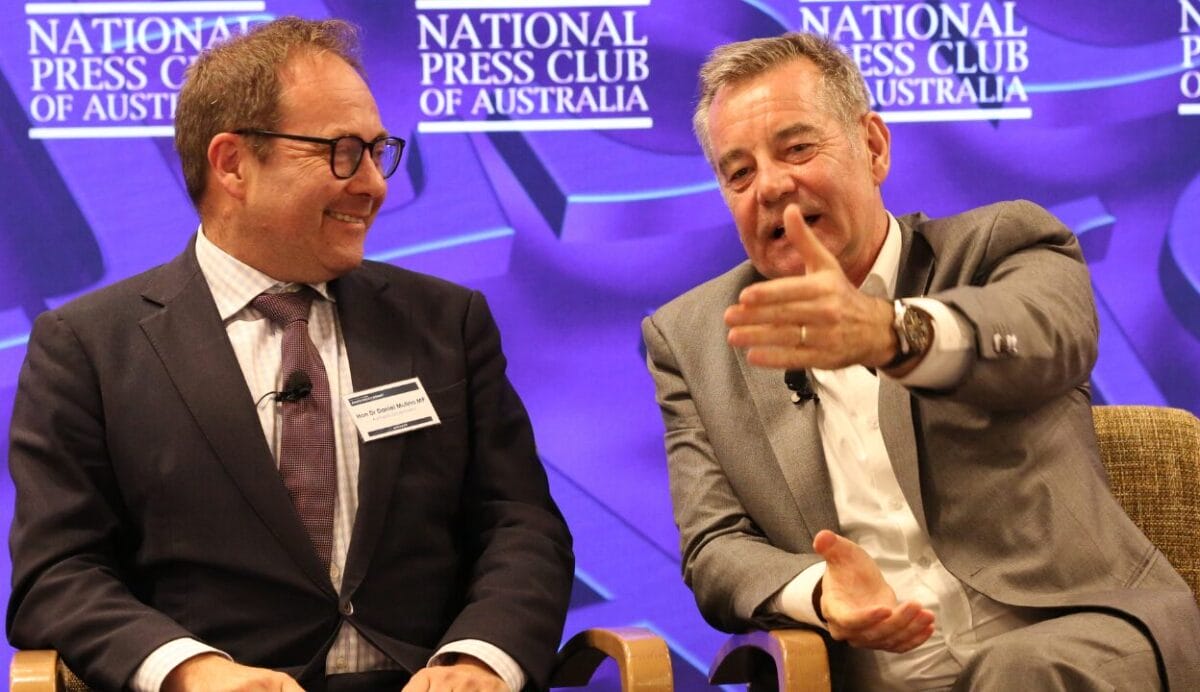
The government said the consultation is the first tranche of new consumer protections that are intended to increase public safeguards, which Minister for Financial Services Daniel Mulino foreshadowed last week and comes ahead of his appearance at the Professional Planner Advice Policy Summit in Canberra on 23-24 February.
New laws would add stricter compliance plan for MISs which will need to produce a detailed description of the nature of the scheme and its investment strategy and make existing audit and assurance standards mandatory for auditors of compliance plans. Responsible entities (REs) are also required to notify ASIC of any changes to compliance committee members.
The consultation proposes that all REs should have a majority of external board members and that REs of MISs be prohibited from investing or lending money to companies that are related parties.
The consultation asks whether there should be new laws introduced for the recurrent collection of data by ASIC for MISs, including what data could be collected and used to detect risks and what event notices should be given to ASIC (i.e. redemptions being frozen or suspended) and what the impact of compliance costs would be to do so.
Former ASIC deputy chair and The Conexus Institute* advisory board chair Jeremy Cooper said the proposals were reactionary changes.
“It’s trying to catch problems that have already been created by much bigger forces that the unfinished 2023 review was looking at,” Cooper told Professional Planner.
“This review is a pretty quick attempt to plug some of the gaps, but it would only deal with less than 10 per cent of the overall issues that we should be trying to deal with.”
The consultation also suggests creating a mandatory alerts regime for super trustees to improve ASIC’s visibility of “problematic” super switching behaviour.
However, feedback is sought to understand what suspected conduct or patterns should be reportable and what barriers may impact trustees from fulfilling this obligation.
As an example, these behaviours could be unusual or suspicious spikes in advice fee deductions from a specific adviser or licensee, third-party authorisations initiated by a specific adviser or licensee or switching requests from “vulnerable cohorts” – like older members or people with lower balances – to higher-risk investments or unnecessary creation of SMSFs, the consultation said.
Other concerns related to super switching included cookie-cutter SOAs that drive investors into a certain product, balance erosion from high fees, a rollover from a low-risk default or MySuper product into higher-risk MIS products, and the impacting of being switched into a different regulatory framework (i.e. shifting out of an APRA-regulated fund into an SMSF), which will all be part of the review.
Financial Advice Association Australia head of policy Phil Anderson said the association welcomed the changes to MIS oversight and the need for improved data.
“This is part of a broader exercise by the Government to review what went wrong with Shield and First Guardian and what needs to be done to fix the CSLR,” Anderson said.
“The FAAA strongly supports the conduct of these exercises and will carefully review the proposals in this paper and prepare a submission before the 27 February deadline.”
There are currently 3587 registered MISs holding $2 trillion, according to data from ASIC as of 30 June 2025.
The consultation comes after the Albanese government launched a separate MIS review in 2022. Funding allocation was made in the October 2022 budget but the scope of the review was not released until March 2023 and the Treasury consultation was only then launched in August 2023.
Cooper pointed to the 50-page submission made by ASIC at the time despite the review not resulting in any further activity.
ASIC provided a submission to the consultation which recommended updating the wholesale investor threshold, beefing up retail investor protections and increasing MIS data collection powers.
“ASIC spent nearly 50 pages commenting on various aspects on it,” Cooper says. “That consultation then sank without trace.”
The government said there will be further consultations coming which will deal with “inappropriate” lead generation, high-risk superannuation switching, lifting trustee governance standards and the sustainability of the Compensation Scheme of Last Resort.
Mulino said that thousands of Australians lost their superannuation savings in the Shield and First Guardian collapses and there needs to be change to prevent this happening in the future.
“High-profile collapses erode confidence, making Australians understandably nervous about investing and reducing participation in legitimate, well-regulated products,” Mulino said in a media statement accompanying the consultation.
“When managed investment schemes are run without adequate governance or transparency, capital is not being channelled into real economic activity but instead becomes trapped in vehicles that deliver no productive return.”
Minister for Financial Services Daniel Mulino will be speaking at the Professional Planner Advice Policy Summit on 23-24 February in Canberra. Advisers, practice principals and licensee executives are eligible to attend and can register here.
*The Conexus Institute is a not-for-profit think-tank philanthropically funded by Conexus Financial, the publisher of Professional Planner.








Leave a Comment
You must be logged in to post a comment.