


Licensees do not have enough funding or manpower to close the advice gap on their own and it will need a whole system effort, a panel has heard.
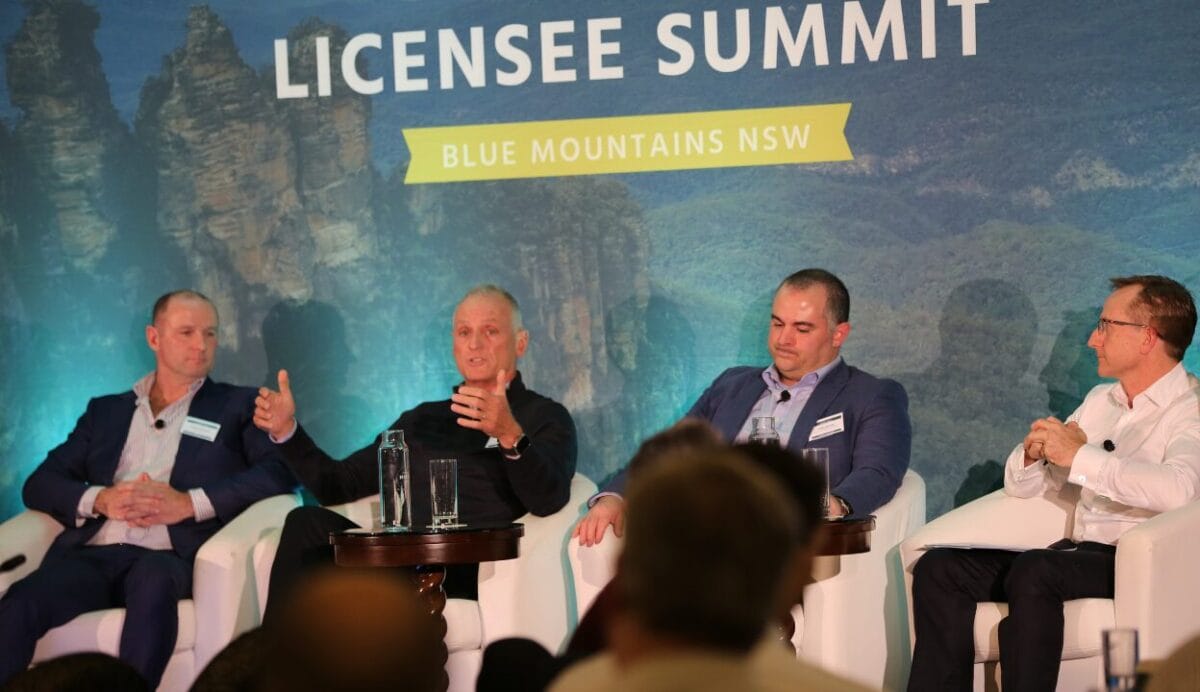
Infocus executive general manager for strategic partnerships Matt Fogarty told the Professional Planner Licensee Summit closing the advice gap requires “a whole of system approach”.
“This isn’t licensees doing it on their own – they simply don’t have enough money, they probably don’t have enough people,” Fogarty said.
“This requires a whole of system approach, whether that’s platforms, product providers, the advisers themselves, building up our skills and capabilities across areas that we should be able to coalesce around.”
Fogarty said there was an underlying assumption that with more capacity, advisers would start reducing the demand by taking on more clients.
He said while there was appetite among practices to bring on more clients, smaller businesses were struggling to find the extra efficiency.
“Like any small business, growing through the old practice management stages, it’s hard to get through those brick walls at times,” Fogarty said.
“There are plenty of other firms that I talk to absolutely flying and they have no resistance to bringing on new clients.”
‘Devil is in the detail’
The panellists had a generally positive outlook on the new class of adviser and the potential to be able to serve more people, particularly super fund members.
Zurich Financial Services acting head of retail Tim Kane said he was “supportive” of the proposed new class of adviser.
“There’s work to do in terms of how they interact with full advice, but we’ve spoken all day about demand being more than supply, and I think the new class of adviser is a step in the right direction,” Kane said.
WT Financial Group chief executive Keith Cullen said the new class of adviser could help provide guidance for people about their options but added this should not slip into personalised advice.
“it’s imperative that [NCAs] stop short of telling people what they should do, because that’s professional advice, and that’s the domain of the advice profession.”
The panellists agreed it was important to see official legislation about the new class of adviser, as it was difficult to judge their potential effectiveness without knowing the details.
Vanguard Australia head of financial adviser services Rachel White said the profession needed more details about the proposal in order to have a fully formed opinion.
Fogarty said “the devil’s going to be in the detail”.
“Clearly the NCAs could well be, depending on how it ultimately lands, a pathway other than university graduates and career changes coming into the sector, which we desperately need,” Fogarty said.
Cullen agreed the industry was suffering from a supply issue, driving up pricing and putting advice out of reach for most Australians.
He said the industry had gone “to hell and back” and ended up with under 15,000 advisers.
“Anything we do around reducing red tape and so on is just window dressing until we fix the supply side of the equation,” Cullen argued.
He added the industry needed to put pressure on the government in reforming the education pathways.
At the Professional Planner Advice Policy Summit in February, previous Minister for Financial Services Stephen Jones announced reforms to the education pathway including having to complete a specialised degree.
The reforms, if implemented, allow for students to complete a degree in any relevant discipline, such as commerce and economics.
As Jones ran out of time to implement the changes, new minister Daniel Mulino will be able to, if he chooses.
Hybrid or human-led
The panel also discussed the benefits of hybrid and digital advice in improving efficiency and increasing capacity for advisers.
White said the Australian advice industry was very much focused on “human-led” advice.
“In our US business, we sort of view advice delivery upon a continuum, and we assess the client’s level of complexity, the personalisation that’s required, and then we triage them into the advice model that’s most suitable, whether that’s digital, hybrid or fully human,” she said.
“We have an opportunity to do a lot better to support a full spectrum of Australians who have different needs and preferences.”
Fogarty and Kane both emphasised the importance of integrating data across the industry.
“There’s not much you can do without good data moving around the ecosystem,” Fogarty said.
Kane agreed integrating data would be a huge step in improving efficiency.
“We need to be using data. If you look at the general insurance market, they’ve got a standardised data platform where you can integrate in, get the data that you know about your customers and you have the ability to push and pull.”
Cullen said technology solutions will work “terrifically well” if changes to the education pathway are implemented, which he dubbed “the number one problem”.
“If we solve that problem, there’s hundreds of thousands of people out there that we can go and recruit, put straight into their PY [professional year] and have their training wheels off within six months,” Cullen said.
“The only way we can have more advisers is to reform those education standards.”








Leave a Comment
You must be logged in to post a comment.