
Rates of borrowing inside self-managed super funds (SMSF) are continuing to decline, suggesting property spruiking-related activity is quite low, according to an annual SMSF Association study.
The study, conducted by researcher CoreData on behalf of the SMSF Association and NAB, covered 1,000 Australian consumers including 468 SMSF trustees and 532 APRA fund members. It also canvassed the views of 436 SMSF advisers.
“Most trustees don’t borrow. There are very, very small borrowings inside super – which is typically across property, equities and other assets.
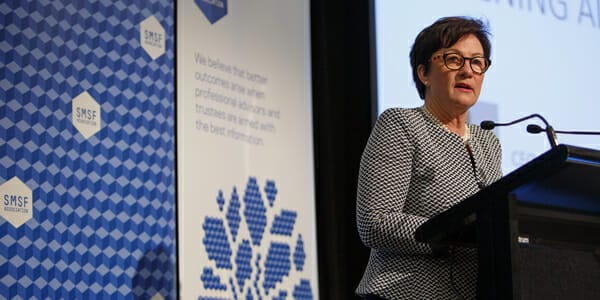
“ASIC has been very set in [their strategy, saying] ‘if you’re spruiking and not competent, and not providing the right advice in this area, we will target you’. And SMSF trustees are actually very sensible in what they do,” says Andrea Slattery, managing director and chief executive officer, SMSF Association.
Media outlets consistently report instances where financial planners, property developers and other parties are prosecuted for mis-selling property to SMSFs, though Slattery believes concerns are over-blown. One of the most recent cases reported by ASIC involved advice firm Omniwealth.
“ASIC is…targeting the marketing. [Instances of property spruiking] sound like they’re prolific, and there’s a lot of people talking about it. But they’re actually very, very low numbers,” Slattery says.
More than 80 per cent of trustees surveyed do not currently borrow or do not intend to borrow to invest in their SMSF portfolio under the limited recourse borrowing arrangement (LRBA) regime.
Banks limit SMSF lending
In addition, around 92 per cent of borrowing for property investment inside an SMSF requires the backing of a bank, according to Gemma Dale, head of SMSF solutions, NAB.
In a move designed to help stamp out some of these poor practices, she says NAB ceased lending for residential property inside SMSFs in May this year, with the cooperation of APRA.
“We didn’t have any specific areas of risk, we didn’t see anything that made us particularly nervous,” Dale says, but emphasises the group saw this as the most responsible decision.
She says at least one other Australian bank has adopted a similar policy.
Volatility is an advice opportunity
NAB has around 100,000 SMSF customers. “It’s interesting to watch the ebb and flow between those that are very self-directed…and those who come in seeking advice,” Dale says.
“Particularly when markets are a bit volatile, when people are struggling to see where they should be placing their cash, they’re looking for opportunities, it’s lovely to see it documented in this report.”
Andrew Inwood, director, CoreData, echoes this view. “People are trying to exit cash and trying to work out what else to do. As far as we can tell, about 22c in every dollar invested in an SMSF is either in cash or cash-linked products, but [trustees are] unhappy with the yield, and so they’re now seeking advice.
“The decisions are complex now. We think that particularly the small SMSF investors are going to be the ones who are driving advice,” he says.
Slattery cites figures from the study showing 66 per cent of advisers expect some of their clients will the SMSF space in the next 12 months or more.
“We’re seeing an increase in confidence among the trustee themselves around SMSFs. They’re actually seeking more advice, more services and more people are moving into the ‘coach seeker’ area,” she says.
An earlier iteration of the study identified early movers into SMSFs as ‘controllers’, who are defined as those who are very ‘hands on’ in managing the investments.
‘Coach seekers’ also like handling many of the investments, but need information to support their own decision-making, while ‘outsourcers’ typically prefer to pass trust to an expert third-party.
The latest study finds around 46 per cent of trustees are ‘coach seekers’ – up slightly from 44 per cent in 2013; 15 per cent are ‘outsourcers’ and 39 per cent are ‘controllers’.